

Politics
Florida and Louisiana Lawmakers Seek to Make Disabled Veterans Education Law a National Model


Politics
Voters Give Democrats Congressional Majorities as Affordability and Iran War Shape Trump Rebuke

Central Florida News
HISTORYMAKER: Tiffany Moore Russell makes history as first Black woman elected Orange County mayor

Tiffany Moore Russell defeats Chris Messina as housing costs, transportation needs and budget pressures confront the county’s next administration.
ORLANDO, Fla. (FNN) — Tiffany Moore Russell was elected Orange County’s first Black woman mayor Tuesday, adding another milestone to her public service career as she prepares to lead a county confronting housing affordability, transportation demands and difficult spending decisions.
Moore Russell defeated businessman Chris Messina in the nonpartisan runoff to succeed term-limited Mayor Jerry Demings. Unofficial Associated Press results reported by WFTV showed Moore Russell receiving 266,945 votes, or approximately 63%, compared with 158,247 votes, or approximately 37%, for Messina. Results remain unofficial until certified.
Although candidates ran without party labels on the ballot, Moore Russell is a Democrat and Messina is a Republican. Her victory makes her the first Black woman elected to the county’s top executive position.
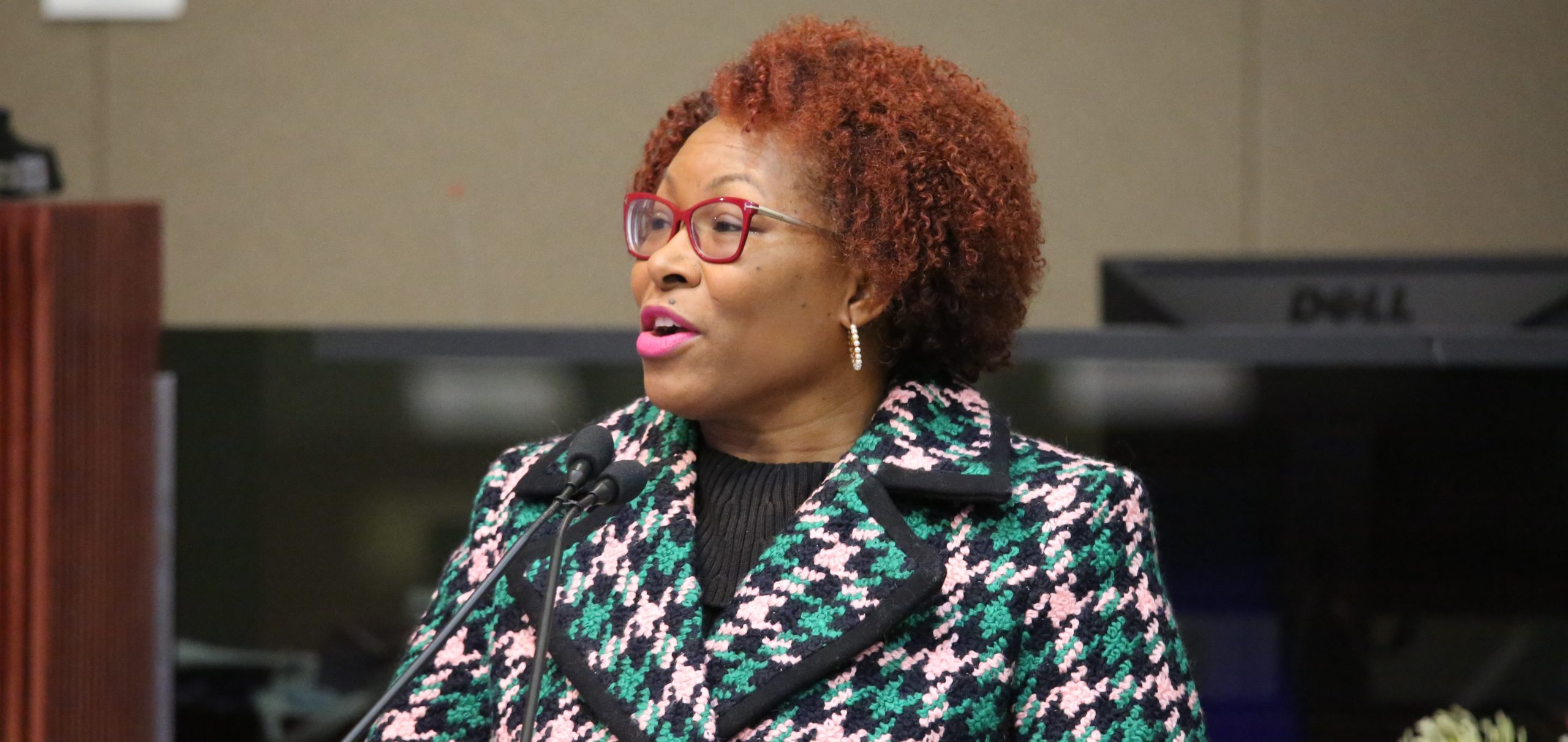
Orange County Clerk of Courts Tiffany Moore Russell speaks at the Orange County State Legislative Delegation. Photo by J Willie David, III / Florida National News
A historic victory with a message for future leaders
Moore Russell described the milestone as an opportunity to inspire young people who might one day seek public office.
“I think we’re still breaking barriers here in this country, and in Florida, and in Orange County,” she said, according to Central Florida Public Media.
The mayor-elect’s career has included other historic achievements. In 2006, she became the youngest person elected to the Orange County Commission. Her election as clerk of courts in 2014 made her the first Black woman elected to that position in Florida.
The latest victory moves her from overseeing court-related services to leading county government, with responsibility for daily operations, thousands of employees and a multibillion-dollar budget. The mayor also represents Orange County in regional discussions involving transportation, tourism and growth.
Housing affordability tops the agenda
For residents struggling to afford rent or purchase a home, the new administration’s housing decisions will be an early measure of its priorities.
Moore Russell identified housing as her leading issue in a candidate questionnaire published by the News Collaborative of Central Florida. She proposed expanding workforce and affordable housing through public-private partnerships, preserving existing affordable homes and encouraging mixed-income development.
Her proposals also called for coordination with municipalities to increase housing options while protecting neighborhoods.
During the campaign, she supported streamlining permitting to encourage affordable housing construction. Turning those proposals into projects will require decisions about development, infrastructure and the use of county resources.
Transportation needs extend beyond road congestion
Improving transportation will be another major challenge as county leaders consider how residents reach jobs, housing and services.
During an October debate, Moore Russell advocated a more connected rail system, including SunRail service seven days a week. Messina emphasized changes to bus operations and technology intended to make trips more direct and less expensive.
Moore Russell also supported seeking greater flexibility to use tourist development tax revenue for transportation and housing for tourism workers. Changing how those dollars can be spent would require action beyond the mayor’s office, including changes to state law.
Budget pressures will test campaign promises
Moore Russell will enter office following county approval of an approximately $9 billion budget. During the campaign, both candidates emphasized fiscal responsibility while offering different approaches to spending and services.
A central disagreement involved Amendment 3, the proposed property-tax measure on the November ballot. Moore Russell opposed it, citing county projections that it could reduce the following year’s budget by approximately $165 million. Messina supported the measure and questioned whether those projections sufficiently accounted for growth.
At the October debate, Moore Russell said potential budget responses included consolidating departments, reviewing hiring and vacant positions, and adjusting the timing of capital projects. Those options illustrate the choices facing an administration seeking to maintain services while controlling expenses.
Experience helped define the runoff
Moore Russell campaigned on her experience as clerk of courts and a former county commissioner. Messina, a technology entrepreneur, argued that the county needed business leadership and a different approach to government.
The two advanced from an August election that also included former U.S. Rep. Stephanie Murphy and County Commissioner Mayra Uribe. No candidate received the majority necessary to avoid a runoff.
Voters ultimately selected Moore Russell to succeed Demings. Her administration will now face the work of translating campaign proposals into housing, transportation and budget decisions affecting communities throughout Orange County.

Republican defeats Democrat David Jolly following a campaign backed by Black community leaders, including Gainesville Democrat Cynthia Chestnut.
TALLAHASSEE, Fla. (FNN) — Republican U.S. Rep. Byron Donalds won Florida’s governor’s race Tuesday, defeating Democrat David Jolly and becoming the first Black person elected to lead the state. NBC News projected Donalds as the winner of the historic contest.
With 99% of the expected vote counted, Donalds received 4,113,531 votes, or 50.1%, compared with 3,996,073 votes, or 48.7%, for Jolly, according to NBC News Decision Desk results. Donalds led by 117,458 votes, approximately 1.4 percentage points. The election-night totals remained unofficial.
Donalds will succeed term-limited Gov. Ron DeSantis, keeping the governor’s office in Republican hands. His campaign paired conservative policy positions with outreach to Black voters and support from community leaders, including some Democrats.
LIVE from Ft. Lauderdale – Byron Donalds Election Night Watch Party https://t.co/kAF1omsegf
— Byron Donalds (@ByronDonalds) November 4, 2026
A historic first for Florida and the nation
Donalds becomes the first Black Republican elected governor in the United States, according to The Washington Post’s election coverage.
He is not the first Black Republican to serve as a governor. Republican P.B.S. Pinchback assumed Louisiana’s governorship during Reconstruction in 1872, becoming the nation’s first Black governor without winning an election to that office.
Virginia Democrat L. Douglas Wilder became the first Black person popularly elected governor in 1989 and took office in 1990. Donalds’ victory establishes a new milestone for Florida and the Republican Party.
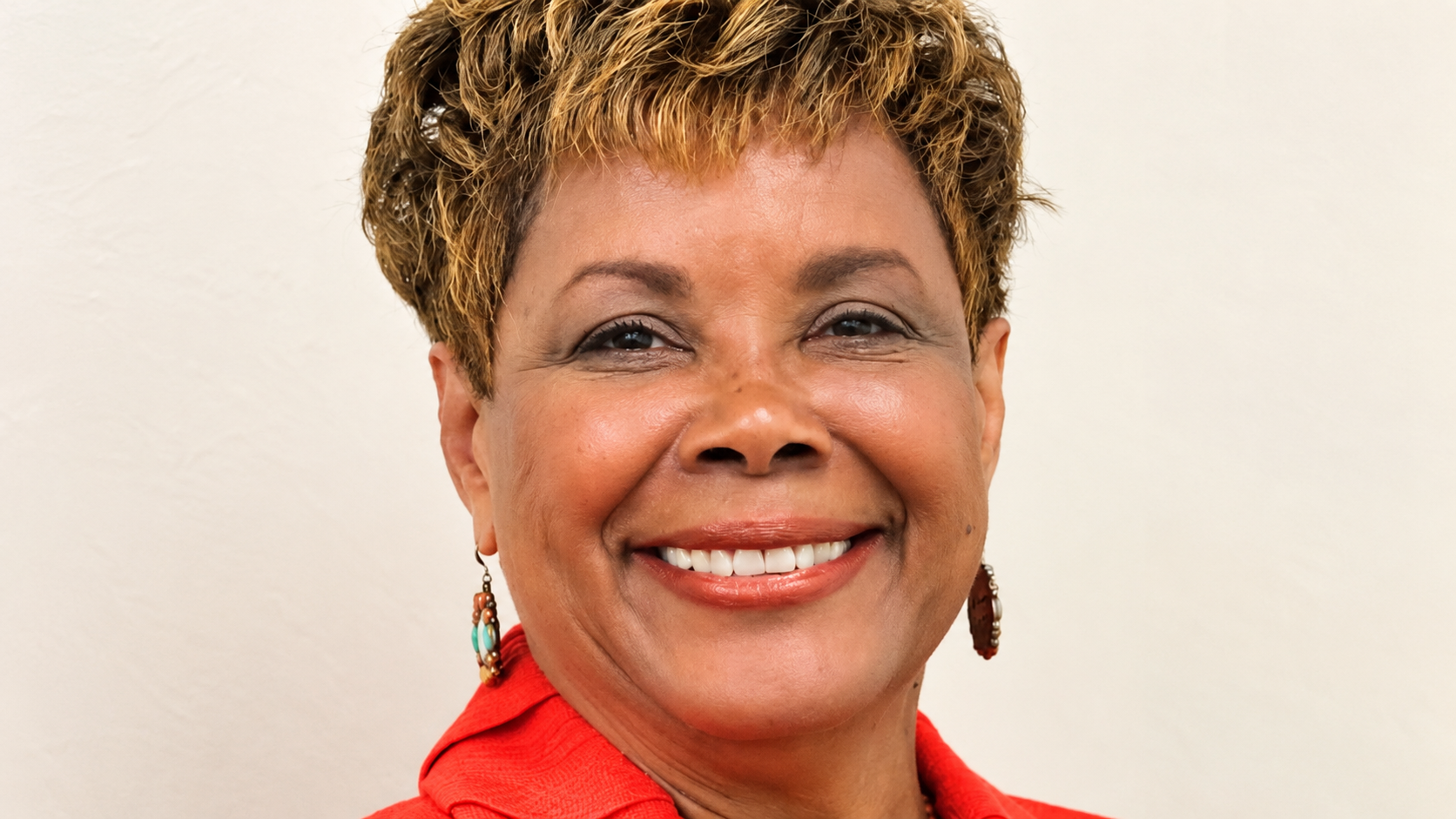
Gainesville City Commissioner Cynthia Moore Chestnut, a longtime public servant whose political career has spanned city, county and state government. Source Cynthia Moore Chestnut
Black leaders’ endorsements preceded historic win
Black elected officials, pastors, business owners and civic leaders became a visible part of Donalds’ campaign.
More than two dozen supporters launched the Florida Coalition of Black Leaders for Donalds to back the congressman and his running mate, Bryan Avila. Its members included sheriffs, lawmakers and educators, reflecting an effort to build support through established community networks.
Gainesville City Commissioner Cynthia Chestnut delivered one of the campaign’s most prominent endorsements across party lines.
Chestnut, a Black Democrat and former state representative, supported Donalds despite disagreements with some of his policies. She said her decision reflected her judgment about Black leadership and frustration with Democrats’ selection of Jolly over Black and Hispanic candidates.
“I want to see a Black governor of Florida in my lifetime,” Chestnut said in a statement reported by WCJB.
Her endorsement drew criticism from Democratic state Sen. LaVon Bracy Davis, who cited Donalds’ voting-rights record and challenged the rationale for supporting him. The dispute highlighted differences among Black leaders over representation, party loyalty and public policy.
Donalds’ victory fulfilled the historic outcome Chestnut sought. However, available election-night reporting does not establish how many votes those endorsements generated or whether they determined the result.
Affordability shaped the campaign
The contest also centered on household expenses, particularly housing and homeowners insurance costs in a hurricane-prone state.
Jolly, a former Republican congressman running as a Democrat, sought to attract voters dissatisfied with rising costs. Donalds emphasized affordability, public safety and educational opportunity while defending continued Republican leadership.
The candidates offered different approaches to large data centers. Jolly supported a moratorium on new hyperscale facilities, pointing to environmental and public-health concerns. Donalds favored local decisions about where facilities should be built and said their operations should not raise residents’ utility bills.
Republican advantages faced a competitive challenge
Jolly faced substantial obstacles, including a Republican voter-registration advantage of roughly 1.5 million and Donalds’ stronger fundraising position.
President Donald Trump campaigned with Donalds during the race’s final days. DeSantis also endorsed him, and Donalds portrayed his candidacy as a continuation of the outgoing governor’s approach.
Despite those advantages, polling indicated a competitive contest. A University of North Florida survey conducted Oct. 12-19 showed Donalds ahead 49% to 47%, a difference within the poll’s margin of error.
From state lawmaker to governor-elect
Donalds served in the Florida House before winning election to Congress in 2020. He subsequently became a nationally recognized conservative voice and Trump ally.
He is scheduled to take office Jan. 5, 2027, with affordability among the central challenges awaiting his administration.


 Business5 days ago
New AdventHealth Middleton Clinic Brings Pediatric Specialists, Urogynecology Near The Villages
 Jacksonville3 days ago
Jaguars Continue to Dominate Colts in Duval
 Central Florida News23 hours ago
 Florida9 hours ago
HISTORIC WIN: Byron Donalds elected Florida’s first Black governor
 Central Florida News5 hours ago
HISTORYMAKER: Tiffany Moore Russell makes history as first Black woman elected Orange County mayor


