Florida
Governor Ron DeSantis Issues Updates on State Response and Recovery Efforts for Hurricane Milton
Published
2 years agoon
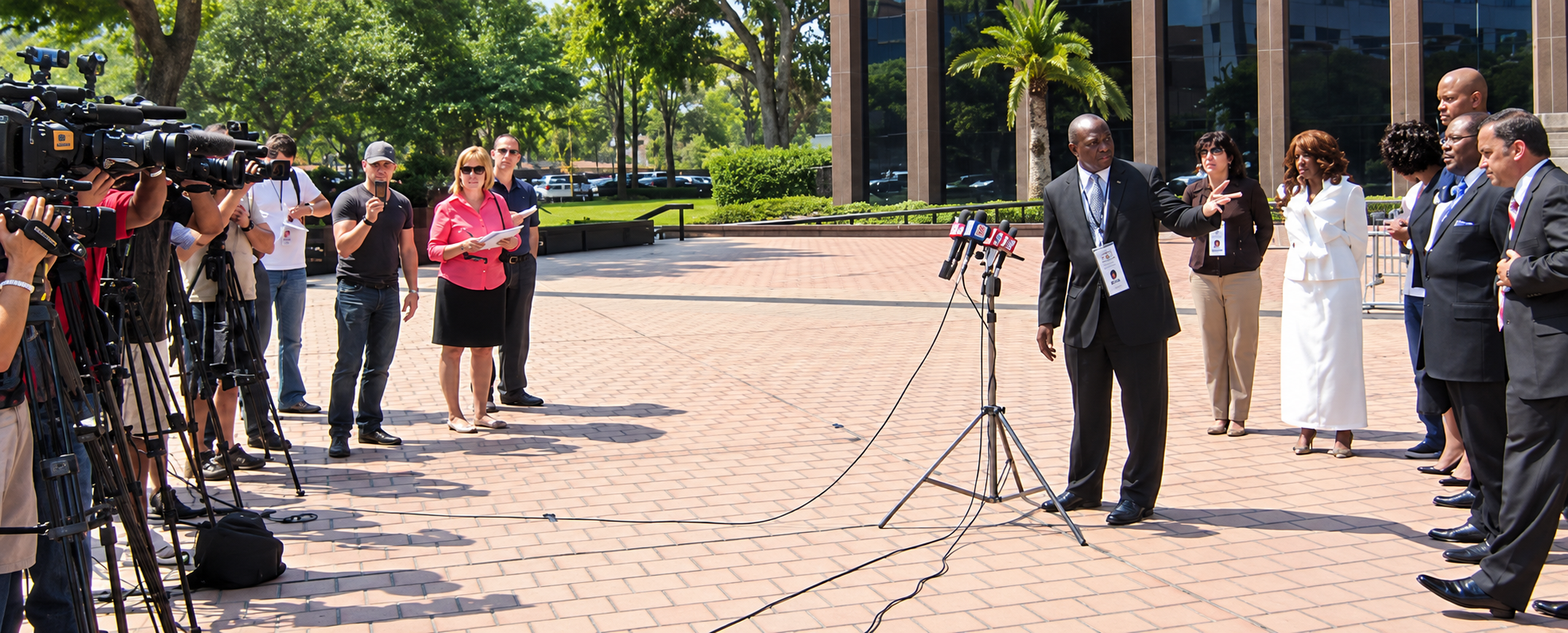
TALLAHASSEE, Fla.—Today, Governor Ron DeSantis was joined by Florida Division of Emergency Management (FDEM) Executive Director Kevin Guthrie, Florida Department of Transportation (FDOT) Secretary Jared Perdue and Major General John D. Haas Adjutant General of Florida in Treasure Island to provide updates on Hurricane Milton response and recovery efforts.
First Lady Casey DeSantis also joined Governor DeSantis to visit a Hope Bus and Point of Distribution site at New College of Florida in Sarasota.
In Pinellas, Governor DeSantis announced several state initiatives to supplement local entities with debris removal efforts in storm-impacted areas.
Over 2,800 personnel from various state agencies, including FDOT, Florida State Guard, Florida National Guard, Florida Highway Patrol, and Urban Search & Rescue teams, have been deployed to assist in the cleanup.
Governor DeSantis directed FDOT to assist debris removal requests from fiscally constrained counties within the impact area, ensuring rural communities with limited resources can keep up with expedited debris removal efforts.
The Governor also reiterated that state regulations would be lifted to expedite debris removal:
- FDEM is fast-tracking the permitting process for new debris management sites;
- The Florida Highway Safety and Motor Vehicles has temporarily suspended enforcement of mandatory driving hour requirements for truckers involved in emergency and cleanup operations; and
- FDOT has also waived size and weight restrictions for vehicles conducting debris removal.
Governor DeSantis also instructed FDEM to issue an emergency order directing local entities to identify and expedite the creation of debris management sites and to operate around the clock for the first 90 days or until the cleanup is complete. In the emergency order, local entities are also required to daily report the amount of debris removed and engage with FDEM to file expedited project worksheets for FEMA reimbursements.
To provide the public with increased transparency in the debris removal process, the state of Florida will post the daily debris removal totals reported by each local government on a new website, the Debris Transparency Portal.
As of this 9 PM, approximately 496,792 Floridians are without power. The State of Florida has restored 3,574,391 accounts.
Federal Disaster Relief
Governor DeSantis announced that Florida secured approval of a major disaster declaration for Hurricane Milton from the Federal Emergency Management Agency (FEMA). The declaration includes Individual Assistance and Public Assistance (Categories A and B). Individual Assistance, which is assistance to residents and households, is available for Brevard, Charlotte, Citrus, Clay, Collier, DeSoto, Duval, Flagler, Glades, Hardee, Hendry, Hernando, Highlands, Hillsborough, Indian River, Lake, Lee, Manatee, Marion, Martin, Okeechobee, Orange, Osceola, Palm Beach, Pasco, Pinellas, Polk, Putnam, Sarasota, Seminole, St. Johns, St. Lucie, Sumter and Volusia Counties and the Miccosukee Tribe of Indians of Florida. Public Assistance, which is available for emergency work and the repair or replacement of disaster-damaged facilities, is available for Brevard, Charlotte, Citrus, Clay, Collier, DeSoto, Duval, Flagler, Glades, Hardee, Hendry, Hernando, Highlands, Hillsborough, Indian River, Lake, Lee, Manatee, Marion, Martin, Okeechobee, Orange, Osceola, Palm Beach, Pasco, Pinellas, Polk, Putnam, Sarasota, Seminole, St. Johns, St. Lucie, Sumter and Volusia Counties and the Miccosukee Tribe of Indians of Florida for debris removal and emergency protective measures, including direct federal assistance.
The State Assistance Information Line is now open and accepting calls 24/7 with English, Spanish and Haitian-Creole speakers available at 1-800-342-3557.
Governor DeSantis issued Executive Order 24-215, amending EO 24-214 and declaring a state of emergency for 51 counties.
To learn more about navigating hurricane season, residents can visit FloridaDisaster.org/Guide. For updates on county resources available visit FloridaDisaster.org/Counties for a list of all 67 county emergency management contacts.
State Response and Recovery Efforts
- The Florida Division of Emergency Management (FDEM) has activated the State Emergency Operations Center to Level 1 since Tuesday, September 24, for Hurricane Helene, and is at a Level 1 for Hurricane Milton, leading coordination efforts for the State Emergency Response Team.
- The State Emergency Response Team engaged in over 2,600 missions to assist counties in their preparations and immediate response for Hurricane Milton. These missions accomplish vital tasks like staging resources to deploy for immediate response, protecting critical infrastructure facilities like hospitals and utility stations, and coordinating personnel statewide.
- Since landfall, nearly 1,800 individuals and 225 animals have been rescued by Urban Search and Rescue Teams and the Florida National Guard.
- FDEM is coordinating the opening of Points of Distribution (PODs) in impacted areas. Over 20 PODs are open in impacted counties. To find locations and hours of operation, visit FloridaDisaster.org/Updates.
- FDEM has more than 870,000 gallons of diesel and nearly 500,000 gallons of emergency fuels on-hand, with 293,000 gallons of diesel and 398,000 gallons of gas deployed in the field supporting operations.
- Public fuel distribution sites will be open tomorrow, Monday, October 14:
- New College of Florida – Heiser Natural Sciences Complex, 11 a.m. – 8 p.m.
500 College Dr
Sarasota, FL 34243
- South Florida State College – Desoto Center, 10 a.m. – 7 p.m.
2251 NE Turner Ave
Arcadia, FL 34266
- Charlotte Sports Park, 7 a.m. – 7 p.m.
2300 El Jobean Rd
Port Charlotte, FL 33948 - Suncoast Technical College Northport, 10 a.m. – 7 p.m.
4445 Career Ln
North Port, FL 34289 - St. Pete College Tarpon Springs, 10 a.m. – 7 p.m.
600 E Klosterman Rd
Tarpon Springs, FL 34689
- East Bay Raceway, 10 a.m. – 7 p.m.
6311 Burts Rd
Tampa, FL 33619
- Tom Bennett Park, 7 a.m. – 7 p.m.
280 Kay Rd.
Bradenton, FL 34208
- Plant City Stadium, 7 a.m. – 7 p.m.
1810 S Park Rd.
Plant City, FL 33563
- Central Lot – Parking Lot, 7 a.m. – 7 p.m.
800 1st Ave S.
St. Petersburg, FL 33701
- New College of Florida – Heiser Natural Sciences Complex, 11 a.m. – 8 p.m.
- All open fuel sites: FloridaDisaster.org/Updates.
- The State of Florida partnered with Lyft to provide residents in mandatory evacuation zones free rides returning home from local shelters.
- Lyft has activated the Lyft Up Disaster Response Program to provide free and discounted rides to help those in affected areas travel to and from designated shelters with critical resources. Riders can use code MILTONRELIEF24 for two rides up to $25 to and from state-approved shelters.
- Additionally, residents can find open shelters in their area by visiting FloridaDisaster.org/shelters.
- The Florida State Fire Marshal’s Office’s US&R teams have successfully rescued 349 civilians, 47 pets and provided assistance to 164 others.
- The Florida State Guard has completed over 267 rescues in the wake of Hurricane Milton. During the last 24 hours, in a joint operation between the Maritime, Aviation, and Crisis Response units, over 200 civilians were rescued after becoming stranded in their neighborhoods due to rising riverine flood waters in Pasco County. The Florida State Guard met with county officials regarding water levels of the Withlacoochee River and are prepared to continue evacuations and assist with any post-flood needs.
- The Special Missions Unit deployed with search and rescue, K9, paramedic, and swift water rescue teams, assisting with route clearance and search and rescue, both on water and over land, in Pasco, Charlotte, and Volusia counties.
- The Maritime Response Squadron deployed alongside FWC to assist in waterborne patrols, and search and rescue efforts in Charlotte, Pasco, Manatee, Hillsborough, and Sarasota counties.
- The Aviation Response Squadron’s Blackhawk helicopters and UAS (drone) teams deployed to conduct aerial reconnaissance in Polk, Pasco, Sarasota, Flagler, Manatee, Volusia, Brevard, Indian River, St. Lucie, and Hillsborough counties.
- The Crisis Response Battalion deployed to conduct hasty route clearance and high-water rescue missions in Pasco County.
- The Florida National Guard (FLNG) has activated over 6,800 service members for Hurricane Milton response operations and is expected to grow to nearly 7,300 with EMACs from other states for Hurricane Milton preparedness operations.
- FLNG is providing immediate response in affected areas with liaison officers, search and rescue, humanitarian assistance, route clearing, ground and air reconnaissance, protection of critical infrastructure, flood mitigation and high wheeled vehicle support with state and local officials.
- FLNG has four rotary wing aircraft, approximately 500 high-wheeled tactical vehicles, including approximately 200 high-wheeled tactical vehicles and over a dozen boats prepared to provide search and response and damage assessment support post-storm.
- Over 100 Florida Fish and Wildlife Conservation Commission (FWC) officers have rapidly deployed high-water vehicles and all other storm response resources to areas of Florida impacted by Hurricane Milton to assist Floridians in need.
- In the 24-hour period following Hurricane Milton’s landfall, FWC officers rescued 645 individuals and performed 336 welfare checks. They also cleared trees, vessels, and debris from numerous roads, homes, and driveways.
- FWC officers have responded by providing:
- 47 boats including airboats and shallow draft boats
- ATVs/Side-by-sides
- 132 high-water capable four-wheel drive vehicles
- 29 high-water capable swamp buggies and UTVs
- 3 SOG support trailers
- 4 aerial surveillance drones
- Self-sustainment equipment, including BERG container units, hygiene trailers, generators and mobile command posts
- Fuel trucks
- Skid Steers
- 47 boats including airboats and shallow draft boats
- In addition to search and rescue, FWC officers have conducted welfare checks alongside counterparts at the Pinellas County Sheriff’s Office.
- 38 strike teams embedded with local law enforcement in Hillsborough, Pinellas, Pasco, Manatee, Charlotte, Lee, and Sarasota counties continue rescue and recovery efforts.
- Officers also assisted with road clearing, including 17 road blockage removals, and conducted nine welfare checks.
- FWC officers have conducted 216 welfare checks in Charlotte and Sarasota Counties.
- Polk County FWC Officers are assisting Polk County Sheriff’s Office in conducting welfare checks by airboat in a flooded neighborhood in north Lakeland.
- FWC Captive Wildlife Investigators are contacting captive wildlife facilities and conducting site visits storm impacted areas. There have been no reported escapes.
- The Florida Department of Law Enforcement’s (FDLE) mutual aid team is managing 53 active law enforcement missions with more than 90 completed. The missions include:
- Security for fuel depots
- Fuel and water escorts
- Search and rescue
- FDLE aviation assets are conducting overwatch missions for patrol officers
in impacted areas.
- Nearly 600 law enforcement officers are assigned to missions related to Hurricane Milton.
- The Florida Department of Veterans’ Affairs’ (FDVA) State Veterans’ Service Officers are available to take your call at (727) 319-7440 or via email at FDVA.VSO@FDVA.FL.GOV.
- The VISN 8 Clinical Contact Center is operational 24/7/365 for virtual care and tele-emergency care to support Florida Veterans enrolled for VA Health Care. Call 1-877-741-3400.
- All youth and staff in the Florida Department of Juvenile Justice (DJJ) facilities are accounted for and safe. DJJ continues to assess its facilities for damage and most facilities have had minimal storm impacts.Health and Human Services
- The Florida Department of Health (DOH) deployed nearly 400 emergency response vehicles (e.g., ambulances, ambulance buses, paratransit vehicles) to support emergency evacuations and patient transport as needed.
- DOH is supporting 13 special needs shelters, which are accepting clients, located in the following counties: Collier (1), Hillsborough (3), Manatee (1), Pasco (1), Pinellas (4), Polk (1), Sarasota (1), and Volusia (1).
- DOH and the Office of Insurance Regulation (OIR) sent information regarding early prescription refills permitted under Executive Order 24-215. This information was sent to the public, health insurers, managed care organizations, pharmacy benefit managers, pharmacy chains and health care providers.
- The State Surgeon General signed Emergency Order 24-003, which:
- Waives competitive procurement requirements in order to procure commodities, goods, and services expeditiously in response to the emergency.
- Permits emergency medical transportation services licensed in other U.S. states, territories, and/or districts to operate in Florida in response to the emergency.
- Permits paramedics, emergency medical technicians, and their medical directors licensed in other U.S. states, territories, or districts to practice in Florida in response to the emergency without penalty.
- Permits pharmacies and prescription department managers to operate in multiple or mobile locations.
- Waives competitive procurement requirements in order to procure commodities, goods, and services expeditiously in response to the emergency.
- There are 131 active Boil Water Notices as a result of Hurricane Milton. A comprehensive statewide list of notices for residents to access online can be found here:
- Charlotte (5), Citrus (5), Collier (1), Flagler (1), Hardee (1), Hernando (3), Highlands (3), Hillsborough (16), Lake (26), Lee (5), Levy (2), Manatee (2), Marion (15), Okeechobee (1), Orange (5), Osceola (3), Pasco (12), Pinellas (3), Polk (8), Putnam (2), Sarasota (1), Seminole (1), St. Lucie (1), Sumter (5), and Volusia (6).
- There have been five (5) rescinded Boil Water Notice in the following counties:
- Hillsborough (1), Putnam (2), Sarasota (1), St. Lucie (1).
- The State Surgeon General signed Emergency Order 24-004, which:
- Permits paramedics, emergency medical technicians, and their medical directors, physicians and physician assistants, osteopathic physicians and physician assistants, advanced practice registered nurses, registered nurses, licensed practical nurses, certified nursing assistants, mental health counselors, clinical social workers and marriage and family therapists licensed in other U.S. states, territories, or districts to practice in Florida in response to the emergency without penalty.
- Waives telehealth registration requirements for physicians and physician assistants, osteopathic physicians and physician assistants, advanced practice registered nurses, mental health counselors, clinical social workers, and marriage and family therapists.
- Permits paramedics, emergency medical technicians, and their medical directors, physicians and physician assistants, osteopathic physicians and physician assistants, advanced practice registered nurses, registered nurses, licensed practical nurses, certified nursing assistants, mental health counselors, clinical social workers and marriage and family therapists licensed in other U.S. states, territories, or districts to practice in Florida in response to the emergency without penalty.
- The Agency for Health Care Administration (AHCA) has initiated an event in the Health Facility Reporting System (HFRS). Health care providers have been requested to provide information on census, available beds, evacuation status, accepting evacuees and generator needs from counties declared under EO-24-114. This information allows AHCA to assist health care providers in transferring patients if needed and ensure that health care providers in impacted areas have the necessary resources and adequate power.
- 249 health care facilities have reported evacuations. This includes:
- 24 adult family care homes
- 134 assisted living facilities
- 3 crisis stabilization and short term RFTs
- 4 hospices
- 12 hospitals
- 4 hospitals ED
- 4 intermediate care facilities for the developmentally disabled
- 41 nursing homes
- 4 residential treatment centers for children and adolescents
- 14 residential treatment facilities
- 5 Transitional living facilities
- 249 health care facilities have reported evacuations. This includes:
- As of today, there are 345 health care facilities with loss of power across the state. This includes:
- 25 adult family care homes
- 228 assisted living facilities
- 7 crisis stabilization and short term RFTs
- 2 hospices
- 7 hospitals
- 5 hospitals ED
- 7 intermediate care facility for the developmentally disabled
- 41 nursing homes
- 3 residential treatment centers for children and adolescents
- 14 residential treatment facilities
- 6 Transitional living facilities
- 25 adult family care homes
- AHCA is conducting daily calls with the Florida Hospital Association and Florida Health Care Association.
- The Agency has waived all prior authorization requirements for critical Medicaid services beginning October 7, 2024, until further notice.
- Agency surveyors have completed 429 post storm assessment visits to ensure health care facilities in impacted areas are able to safely care for residents.
- The Florida Department of Agriculture and Consumer Services (FDACS) is working with Florida’s ports and fuel industry partners to ensure adequate fuel supplies are available, and with Florida’s agricultural partners so producers have adequate resources.
- A total of 32 generators were deployed to commercial agricultural facilities to prevent disruption to food and agricultural critical infrastructure.
- Commissioner of Agriculture Wilton Simpson has approved an emergency order temporarily suspending the intrastate movement requirements for the transportation of animals and livestock fleeing Hurricane Milton. In addition, the following states have waived their interstate import requirements for Florida pets, horses and livestock leaving the state: Alabama, Georgia (does not include livestock), Mississippi, and North Carolina.
- Commissioner Wilton Simpson has issued an emergency order suspending requirements related to the distribution, delivery, storage, and sale of liquid fuels — such as gasoline and diesel — to assist with efforts to ensure adequate distribution and supply of fuel.
- Commissioner Wilton Simpson has issued an emergency rule to aid the distribution of liquefied petroleum gas to disaster response and recovery operations.
- Floridians are encouraged to call 1-800-HELP-FLA to report water-contaminated fuel issues to the department.
- As of Oct. 13, inspectors completed preliminary inspections of 2,352 of an estimated 4,538 potentially impacted retail fuel stations. Of the 2,352 facilities, 1,432 are open and operating.
- Agricultural partners can request critical assistance for livestock and animals in critical need, please complete this form and send it to DAIOPSAssessment@FDACS.gov, or call 863-993-5460.
- Food safety inspectors are responding to impacted areas to conduct damage assessments and ensure the safe operation of over 36,000 potentially impacted food establishments.
- As of Oct. 13, inspectors have completed 4,415 assessments of food establishments in impacted regions. 4,046 facilities are open for business.
- UF/IFAS is studying the agricultural losses and damages resulting from Hurricane Helene. Producers can share information about impacts experienced at your farm, ranch, or aquaculture operation here.
- The Department of Elder Affairs (DOEA) continues to contact all Area Agencies on Aging partners to receive updates. Post-storm call-downs to clients are ongoing and there are currently no unmet needs.
- The Agency for Persons with Disabilities (APD) continues its recovery efforts with post Hurricane wellness checks to clients, families, and Group Homes in affected areas verifying status and resolving immediate need requests. .
- APD leadership teams have sourced and compiled sensory kits and delivered over 135 kits to families in need at Hope Florida distribution sites, group homes, and partners in counties affected by Hurricane Milton.
- The Department of Children and Families (DCF) is in the process of contacting all foster families, group homes, and providers to assess for unmet needs after the storm. So far DCF has contacted families and group homes serving over 20,900 individuals and over 9,900 providers in impacted areas to ensure all children and families served are safe and to determine needs.
- Through Emergency wSupport Function 6 – Mass Care, DCF is supporting 8 shelters in impacted areas.
- DCF has delivered and served over 144,000 meals, 124,000 bottles of water and other drinks, 4,400 snacks, and 1,000 boxes of food to 18 counties.
- DCF is working with Mercy Chefs and Operation BBQ to serve hot meals throughout the Tampa Bay area and Manatee County.
- The Hope Bus has been stationed in Charlotte, Lee, and Sarasota counties, and since the storm made landfall, we have served over 3,000 individuals. In addition, Hope Navigators have been deployed to Saint Lucie County to go into neighborhoods directly impacted by the storm and offered resources and support to over 700 individuals.
- DCF has deployed Hope Navigators to support individuals and families in shelters.
- Current SNAP recipients who lost food due to Hurricane Milton can apply for food replacement. To learn more, visit myflfamilies.com/milton
- The Hope Line is available to assist those in need of resources or other assistance after the storm. It is now available 24/7 for the next two-plus weeks at 833-GET-HOPE.
- Activate Hope has been deployed to help connect Floridians impacted by the storm with needed resources like food, supplies, home repairs, and more. Serving as the emergency response component of the Hope Florida initiative, Activate Hope connects the private sector, nonprofits, and government to help Floridians get back on their feet following a natural disaster. Fill out the form here to request help.
- The Florida Department of Transportation (FDOT) has over 2,000 FDOT team members working directly on storm response.
- FDOT established a field crew base camp in Seffner to be centrally located for emergency response and recovery efforts.
- FDOT has shifted efforts towards debris pickup on state roads.
- Other state DOTs have sent crews to assist with debris pickup missions. Alabama DOT sent 18 team members and Tennessee DOT is sending 30 team members.
- FDOT will perform debris pickup within fiscally constrained counties.
- 97% of traffic signals in the impacted area are operational. Crews have deployed over 400 generators statewide to temporarily restore power to locations that are non-operational.
- FDOT continues to monitor water levels at low-lying bridges near major river crossings.
- Cut and Toss Operations on state-owned facilities are complete, except for inaccessible areas or roadways with hazards. 486 crew members cleared over 12,000 miles of roadway.
- FDOT completed bridge inspections on all accessible state-owned and locally-owned bridges. Over 150 Bridge Inspectors reviewed and cleared over 2,400 bridges across the impacted areas.
- FDOT completed the removal of debris on barrier islands in Pinellas and Manatee Counties ahead of Hurricane Milton with the Florida National Guard, Florida State Guard, Florida Highway Patrol, Florida Department of Agriculture, amongst others. In total, over 3,000 truckloads removed nearly 55,000 cubic yards of debris.
- Tolls have been suspended on facilities in West Florida and Central Florida as well as Alligator Alley and 595 Express to help facilitate traffic flow as Floridians evacuate. Specific details and facilities can be found listed here.
- FDOT has lifted weight restrictions and is allowing bypass of weigh stations for emergency response vehicles, including utility vehicles staging for rapid response.
- FDOT has coordinated efforts with Georgia and Alabama to allow a bypass of weigh stations for emergency response and supply vehicles.
- For current road and bridge closures and traffic conditions, please download the FL511 app or visit FL511.com.
- Transportation Modes:
- Please check with your service providers directly regarding potential service impacts, such as flight schedules, passenger rail service, and transit schedules.
- Seaports:
- Florida Seaports Fuel Supplies are being closely monitored and plans are in place for maintaining adequate supply levels across the state as we work to recover from the storm.
- Airports:
- Commercial airports that remain closed: Sarasota/Bradenton International
- Railroads:
- SunRail: Resuming service on October 14.
- State-Owned Road & Bridge Closures (As of 2:30 p.m., 10/13/24)
State road & bridge closures listed below. For real-time updates, Check FL511.com.
*Please note some access may be restricted to residents only. - Flagler County
- Flooding on ramp from N State St to SR-100. All lanes closed.
- Hillsborough County
- Flooding on Morris Bridge Rd Both Directions at High Meadow Ave. All lanes closed.
- Emergency Vehicles on SR-574 Both Directions from N Turkey Creek Rd to Sammonds Rd. All lanes closed.
- Manatee County
- Flooding on Verna Bethany Rd Both Directions 0.48 Mi South of Sr-64 E. All lanes closed.
- Orange County
- Flooding in Orange County on SR-436 / Semoran Blvd / Altamonte Dr North, at Line Dr. Right lane blocked.
- Flooding in Orange County on SR-436 / Semoran Blvd / Altamonte Dr South, at Line Dr. Right lane blocked.
- Flooding in Orange County on SR-436 / Semoran Blvd / Altamonte Dr North, at Line Dr. Right lane blocked.
- Pinellas County
- Emergency vehicles on I-275 South, ramp to Mile Marker 13, Skyway North Rest Area. Off-ramp closed.
- Emergency vehicles on I-275 North, ramp to Mile Marker 13, Skyway North Rest Area. Off-ramp closed.
- Seminole County
- Flooding on SR-426 Westbound near Wrights Rd.
- Volusia County
- Flooding on I-4 West, before MM 129/US-92. On-ramp closed.
- Flooding on I-4 East, before MM 111/Saxon Blvd. Ramp closed.
- Major Road Damage on S Volusia Ave Southbound at Enterprise Rd. All lanes closed.
- Flooding on Saxon Blvd Eastbound near I-4 Westbound. All ramps closed.
- Flooding on SR-415 North, at Howland Blvd.
- Emergency road construction on SR-472 East, at N Kentucky Ave. Right lane blocked.
- Debris on Roadway on US Highway 17 Both Directions at Prevatt Rd.
- Flooding on US-92 East, at Beach St.
- Flooding on I-4 West, before MM 129/US-92. On-ramp closed.
- The Florida Department of Environmental Protection (DEP) is actively working to provide any needed assistance to drinking water, wastewater and hazardous waste facilities. Outreach to these facilities to determine operational status is ongoing.
- DEP’s online portal WaterTracker is live for drinking and wastewater facilities to report their operational status, and staff have begun outreach to facilities. DEP is working with Florida’s Water/Wastewater Agency Response Network (FlaWARN), the Florida Rural Water Association and other response agencies to dispatch generators, fuel and pump trucks and other resources to assist drinking and wastewater facilities.
- DEP has authorized 154 Disaster Debris Management Sites (DDMS) for Hurricane Helene and an additional 204 for Hurricane Milton. These sites are a critical component of expediting clean-up and reducing environmental and public health impacts post-storm. DEP is coordinating the U.S. Environmental Protection Agency’s (EPA) Landfill Strike Teams to assess DDMS operating as a result of these storms.
- For counties and local governments in need of additional debris disposal locations, DEP has approved all pending DDMS site activation requests and DEP stands ready to approve the activation of any additional pre-authorized or new DDMSs that may be needed.
- DEP’s Hazardous Area Response Teams, working in conjunction with the Florida Fish and Wildlife Conservation Commission and the U.S. Coast Guard, are identifying oil spills and hazardous material releases in coastal and inland waterways.
- Florida’s water management districts are actively engaging local governments and drainage operators throughout the state to support flood control efforts, including deploying temporary pumps to alleviate localized flooding.
- The St. Johns River Water Management has deployed two temporary pumps to HCA Florida Lake Monroe Hospital.
- The Southwest Florida Water Management District (SWFWMD) has deployed one temporary pump in Pasco County.
- The South Florida Water Management District has deployed two temporary pumps to the upper Kissimmee Chain of Lakes to move more water south and provide relief to communities experiencing flooding.
- The St. Johns River Water Management has deployed two temporary pumps to HCA Florida Lake Monroe Hospital.
- DEP has activated the Tampa Bypass Canal System to help protect the cities of Temple Terrace and Tampa from river flooding. More than 4 million gallons a minute are being moved through this system. This action stops all or part of the flow of the Hillsborough River before it reaches the cities of Temple Terrace and Tampa and stores it in the Hillsborough Flood Detention Area. The stored water can then be safely moved down to McKay Bay using the Tampa Bypass Canal.
- DEP is coordinating post-storm beach surveys to determine impacts to shorelines and erosion, as well as inspecting damage to beach projects in impacted counties along both coasts.
- Beaches teams are performing assessments on the West Coast and will be utilizing aerial oblique videography (AOV) to conduct initial assessment of most impacted areas. On the East Coast, assessment teams are in place and have started initial assessments.
- So far, 97 windshield survey reports have been completed in Duval, Flagler, Nassau, St. Johns, Volusia and Indian River counties.
- 10 Florida State Parks strike teams have been assembled to assist with assessment and recovery efforts at impacted state parks. Five teams are on the ground today, and other teams and equipment will be deployed as conditions allow and needs are identified.
- 80 state parks have reopened following Hurricane Milton. DEP published a storm updates webpage to keep state park visitors updated of closures: FloridaStateParks.org/StormUpdates. Visitors with existing camping and cabin reservations at closed parks have been notified of their reservation status.
- DEP’s Emergency Final Order removes barriers for expediting necessary repair, replacement and restoration of structures, including coastal structures, equipment, surface water management systems, works and other systems that may be damaged by the storm.
- The Florida Highway Patrol (FHP) have deployed high-water rescue vehicles to areas impacted by Hurricane Milton.
- FHP Unmanned Aerial Systems Teams are conducting surveys of bridges and hospitals for damage.
- 83 FHP QRF Members mobilized from Camp Blanding to the southwest Florida area to assist with road clearing and emergency relief efforts.
- FHP is escorting fuel trucks to areas critically low on fuel.
- FHP is escorting utility vehicles to expedite power and water restoration efforts.
- FHP is conducting traffic control and site security at Hope Florida distribution sites in Lee, Sarasota, Charlotte, Pinellas and Hillsborough.
- FHP is conducting traffic control at Port Tampa Bay to ensure fuel trucks reach their destination without delay.
- FHP is providing security at fueling locations including public fuel sites in Bradenton, St. Petersburg, and Plant City.
- FHP’s fleet of 13 skid steers is deployed in affected areas to clear debris, open roadways, and restore order.
- FHP has deployed chainsaw cut teams to remove fallen trees from residences.
- The Florida Department of Highway Safety and Motor Vehicles (FLHSMV) will deploy Florida Licensing on Wheels (FLOW) mobiles to Pinellas and Hillsborough Counties to provide mobile driver license and vehicle registration services to those impacted by the storm.
- The Florida Department of Education (DOE) is in contact with all school districts following Hurricane Milton and the Department is working with FDEM to address critical needs. Of the 50 traditional school districts that closed for Hurricane Milton, the Department expects at least 40 school districts will be open on Monday, October 14. For more information on school district, state college and university reopenings, visit https://www.fldoe.org/storminfo.
- The State University System of Florida has been in communication with universities in all impacted areas. At least 9 out of the 12 universities within the State University System of Florida will be open Monday. For the latest information about the operational status of universities, please visit https://www.fldoe.org/storminfo.
- The Florida Department of Corrections (FDC) reported that all staff and inmates in the path of Hurricane Milton have been accounted for. Updates will be made available to the public at www.fdc.myflorida.com/weather-updates.
- The Florida Department of Business and Professional Regulation (DBPR) is coordinating state agency participation at 17 Multi-Agency Resource Centers across the state.
- DBPR’s Division of Regulation teams have performed sweeps to identify and combat unlicensed activity across Palm Beach, Martin, St. Lucie and Sarasota Counties.
- DBPR’s Division of Hotels and Restaurants has shared emergency reopening guidance with 137,000 restaurants and lodging licensees across the state to ensure they are operating safely following the storm.
- DBPR filed Emergency Order 2024-10 to streamline response and remove barriers to recovery efforts for Hurricanes Helene and Milton. In part, the order allows businesses or persons engaging in mold remediation to remove water damaged materials from hurricane related water damaged properties without licensure as a mold remediator.
- DBPR’s Emergency Order 2024-08, issued at the direction of Governor DeSantis in response to Hurricane Helene, in part allows food service businesses to operate temporary food kitchens. The order also applies to businesses impacted by Hurricane Milton, and DBPR has encouraged impacted food service businesses to take advantage of this option as the Department works to help them re-open as soon as possible. Food service operators can register their temporary kitchens here.
- The Florida Disaster Contractors Network has been activated to connect homeowners with licensed contractors and suppliers to perform emergency repairs. DBPR encourages Florida’s licensed contractors who provide post-storm construction-related services to register with its Florida Disaster Contractors Network at DCNOnline.org.
- Volunteer Florida partner resources:
- Disaster Legal Hotline is open to assist and refer callers: 833-514-2940
- 2-1-1 is open and ready to receive calls.
- Red Cross Hotline is open to assist: 1-800-Red Cross
- Crisis Cleanup number: 844-965-1386
- Volunteer opportunities promoted through Volunteer Connect
- New email for hurricane-related inquiries: hurricane@volunteerflorida.org.
- FloridaCommerce is communicating and coordinating with more than 200 private sector partners across the state.
- Governor Ron DeSantis activated the Florida Small Business Emergency Bridge Loan Program, making $50 million available for businesses impacted by Hurricane Milton. Florida small business owners in need of assistance, including sole proprietors, are encouraged to visit www.FloridaJobs.org/EBL to apply for the Florida Small Business Emergency Bridge Loan Program. The program provides short-term, zero-interest loans to small businesses that experienced economic injury or physical damage due to Hurricane Milton. Interested applicants can apply now through December 4, 2024, or until all available funds are expended.
- In record time, FloridaCommerce has approved more than $1.6 million in funding through the Florida Small Business Emergency Bridge Loan Program for small businesses impacted by Hurricane Milton. To date, 41 businesses have been approved to receive these funds to bridge the gap while they wait on other funding, such as insurance, with more applications being approved daily. FloridaCommerce has approved more than $10 million to 244 small businesses impacted by Hurricane Helene.
- FloridaCommerce and the State Emergency Response Team (SERT) activated the Business Damage Assessment Survey in response to Hurricane Milton. Business owners can self-report physical and economic damage caused by Hurricane Milton. Survey responses will allow the state to expedite Hurricane Milton recovery efforts by gathering data and assessing the needs of impacted businesses. Businesses can complete the survey online by visiting FloridaDisaster.biz and selecting “Hurricane Milton” from the dropdown menu. More than 1,100 Business Damage Assessment Surveys have been completed.
- FloridaCommerce deployed 45 agency employees into communities across the state providing outreach and support to individuals and businesses, including four small business canvassing strike teams in North Florida, Central Florida and South Florida, and other teams joining the Hope Florida buses and DBPR, DJJ, and APD in Charlotte County, Hillsborough County, Lee County, Manatee County Pinellas County and Sarasota County.
- Florida Housing Finance Corporation (FHFC) has disaster relief resources and information for Floridians in need of housing options and other housing related support. For more information click here. FHFC has also activated FloridaHousingSearch.org to assist hurricane-impacted Floridians in locating an affordable rental property. This free, statewide search platform is being constantly updated to ensure all listings are accurate. Floridians can also call 1-877-428-8844.
- FloridaCommerce continues to work with the Florida Chamber, the Florida Restaurant and Lodging Association and other private sector partners to consistently updates business open/close status at FloridaDisaster.biz. FloridaCommerce staff have made more than 1,000 calls to rural and small businesses to help with this effort.
- FloridaCommerce is working with private sector banking partners to ensure that evacuees have access to banks and are able to withdraw cash.
- FloridaCommerce activated the Private Sector Hotline at (850) 815-4925, open daily 8:00 a.m. to 5:00 p.m. Inquiries may also be emailed to ESF18@em.myflorida.com.
- Briefings will be provided by Emergency Support Functions and private sector partners. For call information email ESF18@em.myflorida.com.
- FloridaCommerce and CareerSource Florida is hosting daily calls with the
21 Local Workforce Development Boards and 38 Community Action Agencies across the state to assist employees and employers after the weather event.
- FloridaCommerce has worked with Walmart, City Furniture, Citrus Springs Industrial Holdings, FloridaMakes, Amazon and TECO to successfully identify and secure sites for debris disposal and additional shelters for evacuees.
- Wawa will be distributing ice and bottled water at various store locations in impacted areas. For more information click here.
- Wawa stores in Florida provide free coffee and fountain beverages to all first responders, including the National Guard in Florida in appreciation for all they are doing to support and serve our communities during hurricane response and recovery efforts.
- Wawa has donated $500,000 to the Florida Disaster Fund to support the state of Florida’s private fund established to provide financial assistance to communities as they respond to and recover from times of emergency or disaster.
- The Wawa Community Coffee Truck has been deployed to Sarasota County and is distributing free coffee, water and ice to impacted Floridians.
- Walmart has donated $5,000 in gift cards to HOPE FLORIDA for cleaning supplies, toiletries and water to assist with post-storm deployment in impacted areas.
- Comcast has opened more than 261,000 public Xfinity WiFi hotspots in areas it serves across the state. The free and public hotspots are open for anyone to use, including non-Xfinity customers. For more information visit Finder.wifi.xfinity.com. Comcast is also positioning crews and equipment to immediately respond after the storm, should there be any service interruptions for Comcast Business or Xfinity customers.
- Tesla has available charging stations for those evacuating with electric vehicles available at Tesla.com/findus. The live status and availability of superchargers can also be found in the Tesla app.
- SpaceX has delivered another 400 Starlink kits to the state of Florida to support Hurricane Milton.
- SpaceX has worked with T-Mobile to active Direct to Cell satellites to provide emergency alerts for all cell phones and carriers in affected areas. SpaceX and T-Mobile have enabled basic texting (SMS) via satellite for T-Mobile users in hurricane affected areas.
- The AT&T Weather Operations Center has a team of degreed meteorologists delivering business-specific weather intelligence, analytics, and forecasts. The FirstNet Response Operations Group™ (ROG) – led by a dedicated team of former first responders – is working around the clock to support public safety’s emergency communications and has liaisons engaged with local and federal agencies.
- Spectrum announced it will help residents stay connected by offering free, unlimited access to Spectrum Wi-Fi access points in Florida. A map of locations can be viewed at Spectrum Out-of-Home WiFi Map: Get WiFi Access Anywhere.
- VISIT FLORIDA Emergency Accommodation Modules on Expedia and Priceline are available to provide real-time hotel availability and lodging resources for impacted Floridians and visitors.
- Rosen Hotels & Resorts activated its Florida Resident Distress Rates for those in the 51 counties declared as under a state of emergency by Governor Ron DeSantis.
- Scenic Stays Vacation Rentals in Northwest Florida has a 35% discount with promotion code MILTON. Go to myscenicstays.com or call 850-407-2244 to book.
- Sandestin Golf and Beach Resort has extended special offers for Evacuees and First Responders in need of accommodations in the event of an evacuation. Please see the linked pages below for more information.
- EVACUEES Good for stays through October 31. Book by October 29
- FIRST RESPONDERS Good for stays through December 31. Book by December 29
- EVACUEES Good for stays through October 31. Book by October 29
- The Florida SBDC Network is coordinating with regional offices and stakeholders to better understand impacts to small businesses and share information about state resources.
- The Office of Financial Regulation (OFR) offers online resources to Floridians who may need help finding information about their financial services provider(s), including state-chartered banks and credit unions, mortgage servicers, and other financial businesses and professionals.
- OIR, in coordination with the Florida Department of Health (DOH), sent information regarding early prescription refills permitted under Executive Order 24-215. This information was sent to the public, health insurers, managed care organizations, pharmacy benefit managers, pharmacy chains, and health care providers. Information can be found here.
- The Department of Revenue (DOR) has the following update: Florida law allows exporters, petroleum carriers, and importers to request a temporary fuel tax license during a disaster or declared state of emergency. Out-of-state applicants are not required to submit a fee, secure bonding, or undergo a background check if they apply for and receive a temporary fuel tax license. Visit the Florida Fuel Tax webpage for more information on Florida’s temporary fuel tax licensing program: https://floridarevenue.com/taxes/taxesfees/Pages/fuel.aspx
- The Florida Department of Management Services (DMS) has deployed 203 Starlinks for Hurricane Milton.
- The Florida Department of State (DOS) Division of Elections has been reaching out to Supervisors to assess their needs post storm. The Division is prepared to coordinate communications between county Supervisors of Elections and appropriate disaster agencies, if needed. We have also reached out to United States Postal Service (USPS) regarding concerns about elections information and vote-by-mail ballots during this time. The Florida Department of State will continue to follow up with Supervisors throughout this time as their needs evolve.
For previous updates see below:
10/6/2024 (1)
10/6/2024 (2)
10/7/2024 (1)
10/7/2024 (2)
10/8/2024 (1)
10/8/2024 (2)
10/9/2024 (1)
10/9/2024 (2)
10/10/2024 (1)
10/10/2024 (2)
10/11/2024 (1)
10/11/2024 (2)
10/12/2024 (1)
10/12/2024 (2)
10/13/2024 (1)
Follow FDEM on X, Instagram, and Facebook for updates and visit FloridaDisaster.org/Updates for information relating to Hurricane Milton
You may like
Crimes and Courts
Florida Gaming Control Commission Seizes 163 Illegal Slot Machines, $247K in St. Petersburg
Published
6 days agoon
September 15, 2026State gaming agents and partner law enforcement agencies targeted two St. Petersburg businesses, seizing more than $247,000 in cash and issuing notices to appear to three people.
ST. PETERSBURG, Fla. (FNN) — The Florida Gaming Control Commission seized 163 alleged illegal slot machines and $247,285 in cash during searches of two St. Petersburg businesses as part of an enforcement action dubbed “Operation Final Spin,” according to the agency.
The Sept. 10 operation was conducted with the Pinellas County Sheriff’s Office, Florida Highway Patrol and Florida Department of Business and Professional Regulation’s Division of Alcoholic Beverages and Tobacco, according to an FGCC news release.
The searches targeted Action Arcade, 6541 54th Ave. N., and The Zoo Sports Club and Grille, 5111 66th St. N.
FGCC is responsible for regulating authorized gambling and enforcing Florida’s criminal gambling prohibitions. Its stated enforcement priorities include investigating illegal arcades, slot-machine businesses and the distribution of illegal gambling devices.
163 Machines Seized at Two Locations
According to FGCC, agents seized 90 machines and $142,020 from Action Arcade.
Two people were issued notices to appear, with each accused of one count of possession of slot machines and one count of keeping a gambling house, the agency said.
At The Zoo Sports Club and Grille, agents seized another 73 machines and $105,265, according to FGCC. One person was issued a notice to appear on allegations of possession of slot machines and acting as an agent or employee of a gambling house.
The allegations are charges, and the individuals are presumed innocent unless proven guilty.
State Rep. Berny Jacques Joins Enforcement Action
Florida Gaming Control Commission Vice Chair Tina Repp and state Rep. Berny Jacques participated in the enforcement action, according to the commission.
“These machines are designed to take advantage of people, and far too often that means senior citizens living on fixed incomes who can least afford to lose what they have,” Jacques said in the agency’s release.
Jacques thanked FGCC and participating law enforcement agencies and said the operation was intended to protect vulnerable residents.
Repp said the operation was part of a broader statewide enforcement effort.
“Operation Final Spin and the more than 200 illegal arcades we have shut down before this should make it clear that our goal is to disrupt and dismantle illegal gaming across the state of Florida,” Repp said.
The claim that more than 200 illegal arcades have previously been shut down is attributed to Repp and FGCC.
🎰Operation Final Spin: Two locations. 163 illegal slot machines. $247,285 in U.S. currency seized.
The Florida Gaming Control Commission executed search warrants in two locations in St. Petersburg as part of the operation with the participation of FGCC Vice Chair Tina Repp and… pic.twitter.com/IgNOYNv2gn
— Florida Gaming Control Commission (@FLGamingControl) September 15, 2026
Where Slot Machines Are Legal in Florida
Florida tightly restricts where slot machines can legally operate. FGCC says slot-machine gaming is authorized at eight licensed pari-mutuel facilities in Miami-Dade and Broward counties and at certain tribal gaming facilities. The agency says offering slot-machine gaming at an unlicensed establishment, including bars, restaurants and adult arcades, violates state law.
FGCC also warns that illegal gambling businesses operate outside regulatory safeguards governing licensed slot machines, including requirements related to game integrity and minimum payout percentages.
Florida’s gambling laws and regulations are primarily contained in Chapters 550, 551 and 849 of the Florida Statutes.
Reporting Suspected Illegal Gambling
People who suspect illegal gambling activity can submit information through the Florida Gaming Control Commission’s reporting system or call 850-880-3433.
Additional information about authorized gambling locations is available through the FGCC Gaming Locations directory.
Florida
Republicans for Jolly Launches as GOP Supporters Back Democrat David Jolly for Florida Governor
Published
6 days agoon
September 15, 2026Former Republican gubernatorial candidate Bobby Williams joins GOP officials and voters supporting Jolly as the Democratic nominee seeks crossover support ahead of November
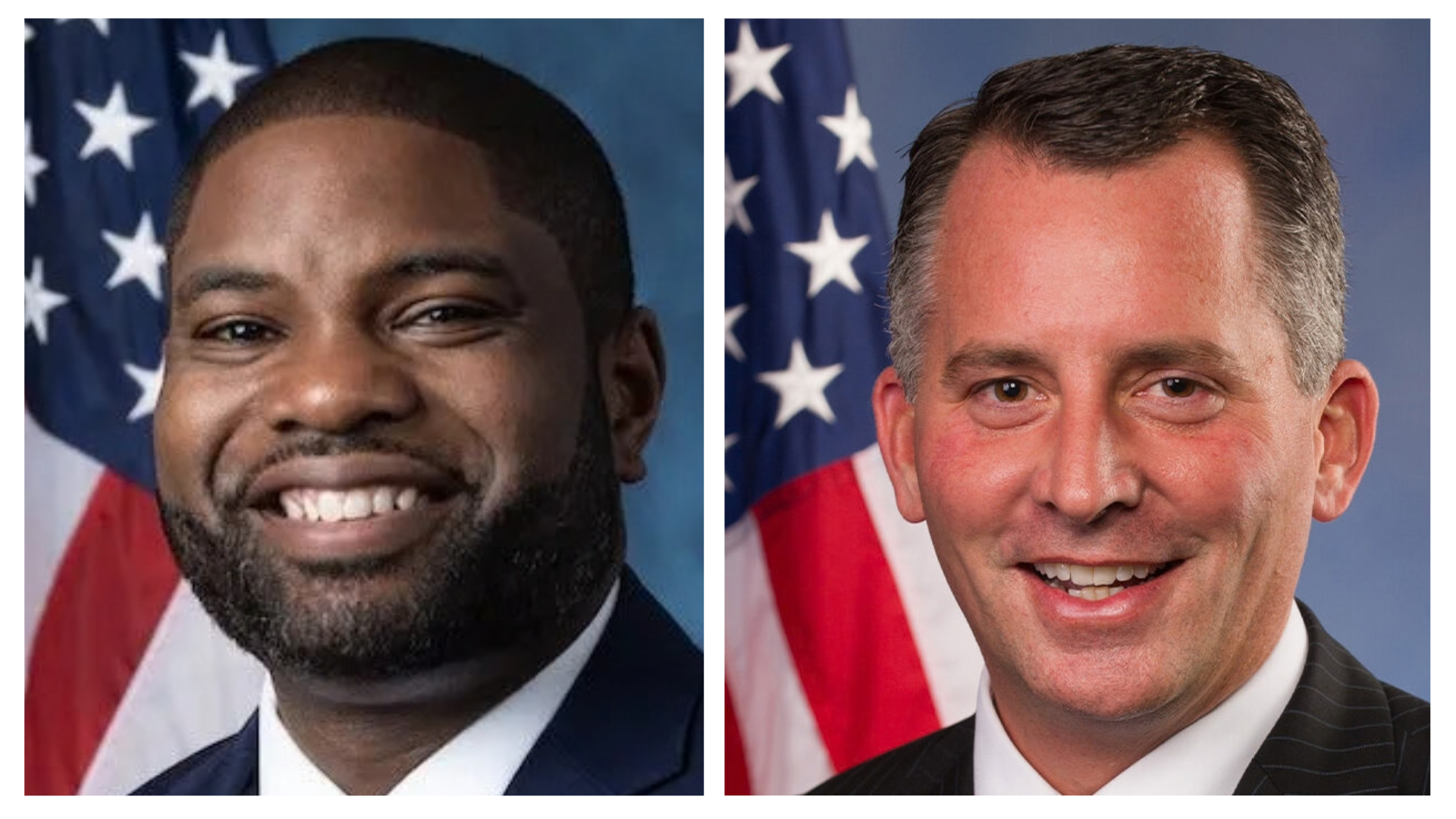
ST. PETERSBURG, Fla. (FNN)— A coalition of Florida Republicans supporting Democratic gubernatorial nominee David Jolly launched “Republicans for Jolly” on Monday in St. Petersburg, with former Republican gubernatorial candidate Bobby Williams among those publicly backing Jolly in the 2026 governor’s race.
According to the Jolly campaign, the coalition will work with the Jolly-Graham campaign to organize events, conduct outreach and engage Republicans and independent voters who are willing to cross party lines in the Nov. 3 general election.
The campaign launched the effort under the message “Principles Over Party,” arguing that voters should place governing principles ahead of party affiliation. The coalition has also launched an online organizing effort through the Republicans for Jolly campaign page.
Bobby Williams Backs Jolly
Williams, who sought the Republican nomination for governor earlier this year, appeared at the St. Petersburg announcement and said his support for Jolly was based on the candidate rather than party affiliation.
“My message hasn’t changed; it’s back to ‘We the People’ instead of ‘We the Lobbyists’ and ‘We the Big Corporations,’” Williams said, according to the campaign. “It’s person over party.”
Williams added: “What person is going to best represent Floridians? … We want someone who is going to fight for Floridians.”
The event was held at Williams Park, where Ronald Reagan campaigned during his successful 1980 presidential campaign.
Republican Leaders Join Coalition
The organization is co-chaired by Greg Wilson, who served as a deputy assistant secretary in the U.S. Treasury Department during the Reagan and George H.W. Bush administrations, and George Kruse, a Republican Manatee County commissioner.
“David is a man of character, competency, and ethical values,” Wilson said in the campaign release. “His policy positions pass a common-sense test and are achievable even in a divided state government.”
Kruse said the coalition believes Republicans should consider candidates based on their governing principles rather than solely their party registration.
“In this election, we believe that tested and trusted principles, rooted in local control, affordability, and basic common sense, are on the ballot in Florida,” Kruse said.
Those assessments represent the views of Wilson, Kruse and the coalition supporting Jolly.
Jolly Courts Republicans and Independents
Jolly represented Florida in Congress as a Republican before leaving the GOP and becoming an independent. He later joined the Democratic Party and is now the party’s 2026 nominee for governor.
His previous Republican affiliation has become part of his campaign’s effort to attract voters outside the Democratic Party.
“This campaign has room for all Floridians, regardless of their political background,” Jolly said. “If you want a candidate who will work hard to improve housing, healthcare, and education, and stop data centers, I’d be honored to earn your vote.”
According to Jolly’s campaign, his “principles over party” platform emphasizes local control, private-sector leadership, personal freedom and government intervention in areas where he believes markets are failing to produce adequate results. The campaign identifies housing, property insurance, health care, education and affordability among its major policy areas.
Jolly has described his approach as accepting policy ideas from either side of the political spectrum based on whether he believes they will work, rather than their partisan origins.
Republicans Respond to Jolly’s Crossover Effort
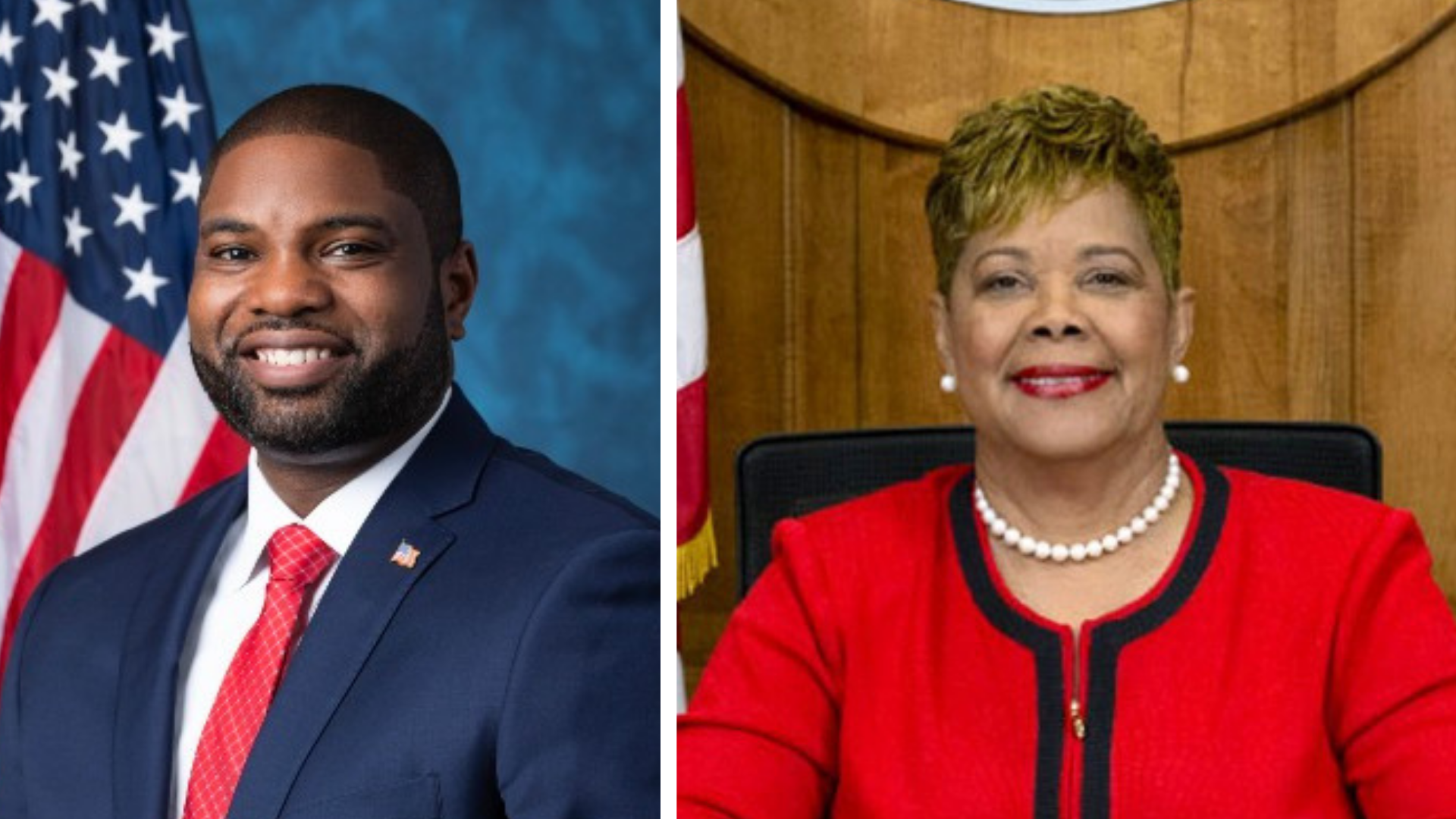
The effort comes as Jolly faces Republican gubernatorial nominee Byron Donalds in the general election.
Republicans have disputed Jolly’s characterization of himself and his agenda. Following the coalition announcement, Donalds campaign communications director Gates McGavick criticized Jolly’s policy positions and characterized his agenda as liberal.
Jolly, meanwhile, rejected several claims being made about his positions by the Donalds campaign during questions following the St. Petersburg announcement.
The competing statements underscore the broader campaign fight over Jolly’s political identity: his campaign is highlighting his Republican background and crossover supporters, while Republican opponents are emphasizing his current affiliation and positions as the Democratic nominee.
Cross-Party Support Emerges on Both Sides
The Republicans for Jolly announcement also comes amid crossover endorsements elsewhere in the governor’s race.
Independent reporting noted that the announcement followed Gainesville City Commissioner Cynthia Chestnut, a Democrat, publicly supporting Donalds, providing an example of cross-party support moving in the opposite direction.
For Jolly, the new coalition creates an organized vehicle for Republican supporters to participate directly in his campaign through voter outreach, events and public testimonials.
“We’re just building a bigger table,” Jolly said during the St. Petersburg event, according to reporting on the announcement.
Florida
FNN ANALYSIS: After 2024 Defections, Florida Democrats Face 2026 Election Test: Can They Rebuild as Republicans Expand Their Advantage?
Published
1 week agoon
September 12, 2026Republicans built a legislative supermajority through elections before two House Democrats switched parties and the Senate Democratic leader became unaffiliated. Now Democrats are trying to rebuild amid a GOP voter-registration advantage exceeding 1.54 million — and signs that some Republican-held districts remain competitive.
By Florida National News
TALLAHASSEE, Fla. (FNN) — Six years ago, Florida Democrats held enough seats in the state House to prevent Republicans from reaching a two-thirds supermajority.
Today, the political landscape looks dramatically different.
Republicans emerged from the 2020 election with 78 of the Florida House’s 120 seats, two short of the 80 required for a two-thirds majority. Democrats held 42.
By the end of the 2024 election, Republicans had 85 seats and Democrats 35. Then two newly reelected Democratic representatives — Susan Valdés of Tampa and Hillary Cassel of Broward County — switched to the Republican Party, expanding the GOP advantage to 87-33.
Four months later, another high-profile departure came in the Senate. Democratic Leader Jason Pizzo left his party and became unaffiliated.
Those defections attracted significant attention, but they can obscure the larger story of Florida’s political transformation.
Party switching did not create Republican control of Tallahassee. Elections did.
The subsequent defections widened an advantage Republicans had already established at the ballot box.
Now, with the Nov. 3, 2026, general election approaching, Democrats face a more complicated test than simply winning several competitive races. They are attempting to rebuild legislative representation while confronting a Republican voter-registration advantage of more than 1.54 million active voters.
At the same time, Democratic victories in several 2026 legislative contests suggest the statewide numbers do not necessarily determine what happens district by district.
That creates three questions heading into November: Can Democrats win back legislative seats? Can Republicans protect the districts underlying their supermajority? And can both parties retain the lawmakers voters elect under their banners?
From 42 House Democrats to Republican Supermajority
The clearest starting point is 2020.
Republicans won 78 House seats, compared with 42 for Democrats. With 80 seats needed for a two-thirds majority, Democrats retained enough representation to keep Republicans below that threshold.
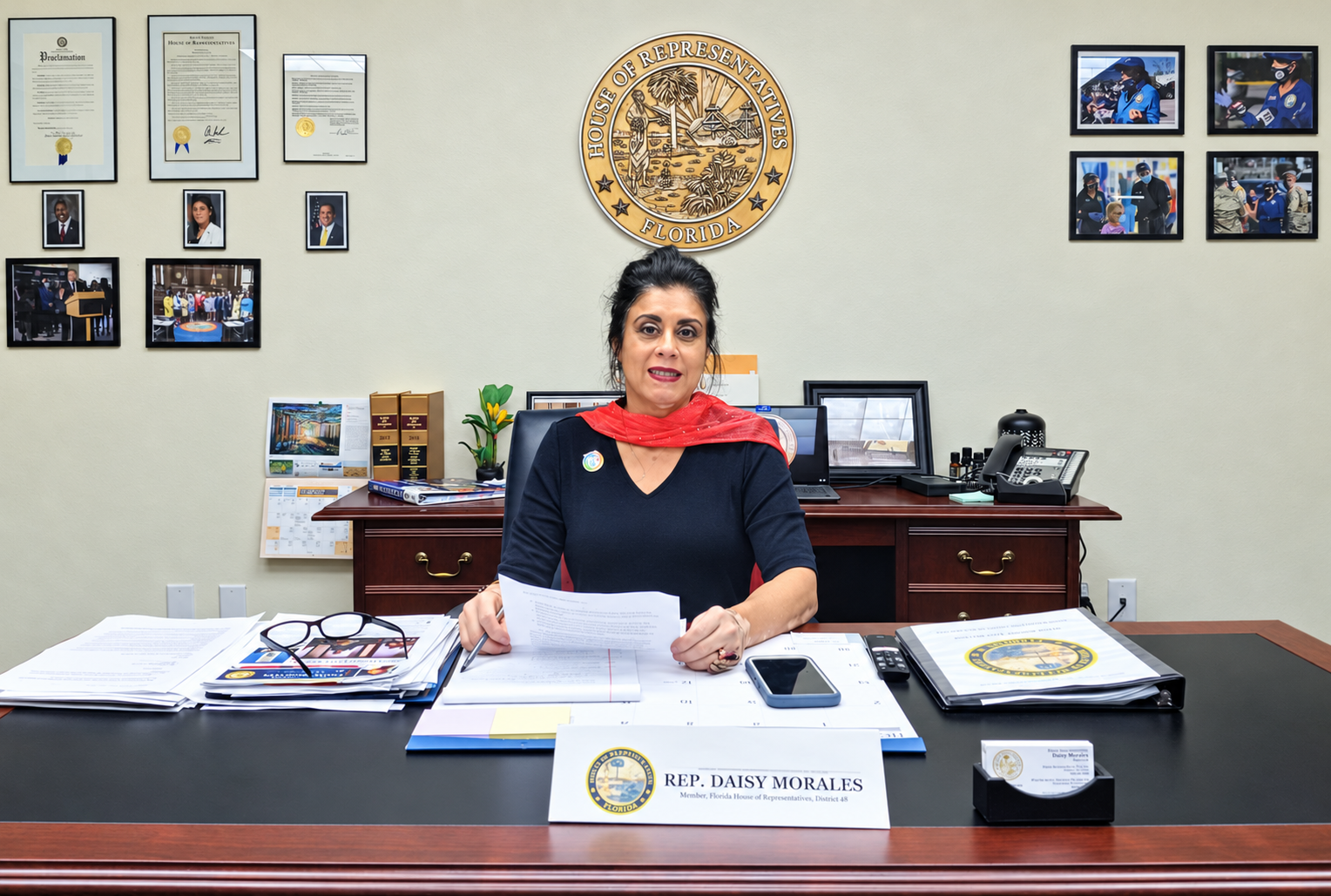
Former Democratic Reps. Daisy Morales of Orange County and James Bush III of Miami-Dade County were among the lawmakers elected as part of that 42-member Democratic delegation.
The balance changed decisively two years later.
Republicans expanded their House majority to 85 seats in the 2022 election, crossing the two-thirds threshold. The 2024 election again produced an 85-35 Republican advantage.
That chronology is important because it separates two different political developments.
Republicans gained the supermajority through elections. The Democratic defections came afterward.
The distinction also provides a clearer measurement of Democratic decline: from 42 House seats after the 2020 election to 35 after the 2024 election — a net reduction of seven seats before either Valdés or Cassel changed parties.
Two House Democrats Switch Parties
The first post-election departure came quickly.
On Dec. 9, 2024, Valdés announced she was leaving the Democratic Party and joining the Republican Party, just weeks after voters reelected her as a Democrat.
Her switch moved the House from 85 Republicans and 35 Democrats to 86-34.
Less than three weeks later, Cassel followed.
On Dec. 27, Cassel announced she also was leaving the Democratic Party for the GOP.
The House moved to 87 Republicans and 33 Democrats.
Florida Democratic Party Chair Nikki Fried criticized Cassel’s decision at the time while acknowledging the difficult political environment facing Democrats.
The significance went beyond losing two caucus members.
A direct switch from Democrat to Republican changes the partisan margin by two: Democrats lose one seat while Republicans simultaneously gain one.
The two defections therefore transformed an 85-35 House into an 87-33 chamber without another general election being held.
Senate Democratic Leader Becomes Unaffiliated
The next departure was politically significant but fundamentally different.
On April 24, 2025, Pizzo announced he was leaving the Democratic Party while serving as Senate Democratic leader. His voter registration became No Party Affiliation the following day.
He did not become a Republican.
That distinction matters when measuring party switching. Valdés and Cassel directly increased the Republican House caucus. Pizzo’s departure did not add a Republican senator.
It nevertheless cost Democrats a sitting senator and their caucus leader. Sen. Lori Berman subsequently became Senate Democratic leader.
An FNN review of these high-profile departures from 2020 through 2026 therefore identifies three sitting Democratic state lawmakers leaving the party:
Valdés: Democrat → Republican
Cassel: Democrat → Republican
Pizzo: Democrat → No Party Affiliation
FNN’s review did not identify a comparable sitting Republican Florida legislator who switched directly to the Democratic Party during the same period.
But the numbers reinforce the larger point: the movement of individual lawmakers accelerated a political shift that had already occurred through elections.
The Bigger Transformation Is Outside the Capitol
The change in Florida’s voter-registration balance has been even more dramatic than the movement inside the Legislature.
In 2020, Florida reported 5,315,954 active registered Democrats and 5,218,739 Republicans.
Democrats held an advantage of 97,215 voters.
As of July 31, 2026, Florida reported:
| Party affiliation | Active voters |
|---|---|
| Republican | 5,607,836 |
| Democratic | 4,066,503 |
| No Party Affiliation | 3,327,656 |
| Minor parties | 497,679 |
| Total | 13,499,674 |
Republicans now lead Democrats by 1,541,333 active registered voters, according to the Florida Division of Elections.
Measured from the Democratic advantage in 2020 to the Republican advantage in July 2026, the Republican-Democratic registration margin shifted by approximately 1.64 million voters.
That is one of the most important numbers for understanding Florida politics entering the 2026 general election.
But it also requires careful interpretation.
A decline in active Democratic registration cannot automatically be described as more than a million Democrats becoming Republicans.
Voter rolls change for multiple reasons, including deaths, people moving into or out of Florida, new registrations, inactive classifications, list maintenance and voters changing party affiliation.
The more defensible conclusion is narrower but still consequential:
Florida moved from a slight Democratic registration advantage in 2020 to a Republican advantage exceeding 1.5 million active voters by mid-2026.
That is a structural change extending far beyond a handful of lawmakers changing parties.
More Than 3.3 Million Voters Belong to Neither Major Party
There is another number that complicates any attempt to translate registration totals directly into election outcomes.
Florida had more than 3.32 million active voters registered with no party affiliation as of July 31.
That electorate is larger than the population of many states.
Those voters do not form a single ideological bloc, and their existence does not erase the GOP registration advantage. But they reinforce why statewide party registration alone cannot determine the outcome of individual legislative races.
Florida legislative elections are decided district by district.
Candidate quality, fundraising, turnout, district boundaries, local demographics, campaign organization and voter enthusiasm can produce outcomes that differ from statewide trends.
That distinction has become especially relevant in 2026.
Democrats Have Shown They Can Still Flip Republican-Held Seats
For Democrats, the strongest counterargument to the state’s broader Republican trend has come from actual election results.
Democrat Emily Gregory flipped House District 87 in a March 2026 special election, defeating Republican Jon Maples.
The result drew attention because Republican Mike Caruso had carried the district by roughly 19 percentage points in 2024.
Democrat Brian Nathan also flipped Senate District 14, defeating Republican Josie Tomkow by just over 400 votes.
Those results demonstrated that at least some Republican-held legislative districts remain competitive under the right electoral conditions.
Florida Democrats have also expanded year-round organizing and made breaking the Republican legislative supermajority a central objective of the 2026 cycle.
But special elections come with an important warning.
They typically involve smaller and sometimes substantially different electorates than November general elections.
Republicans have pointed to House District 35 as evidence of that difference. Democrat Tom Keen won the Orlando-area seat in a January 2024 special election, only for Republicans to reclaim it during the November general election.
The 2026 Democratic flips therefore provide evidence of competitiveness, not proof of a statewide reversal.
November will provide the larger test.
Republicans Have a Structural Advantage — But Still Must Defend It
The challenge facing Republicans is different.
They do not need to rebuild a legislative majority. They already possess one.
They enter the election with a House supermajority and a statewide registration advantage that would have been difficult to envision when Democrats still led voter registration in 2020.
The question is whether those structural advantages continue translating into legislative victories across Florida.
A statewide registration lead does not make every Republican-held district equally secure.
The Gregory and Nathan victories demonstrate that Democrats can still win Republican-held territory, particularly when turnout, candidate performance and district conditions align.
For Republicans, November therefore becomes a test of durability.
Can the party maintain the legislative gains it accumulated over multiple election cycles while defending districts Democrats now view as opportunities?
The Democratic Challenge Is Now Twofold: Win Seats and Keep Them
For Democrats, the experience following the 2024 election introduces another issue that cannot be measured solely on election night.
Political parties invest substantial resources recruiting candidates, raising money, organizing voters and winning legislative seats.
But caucus strength ultimately depends on keeping those lawmakers after they take office.
The Valdés and Cassel switches demonstrated how quickly that calculation can change.
Democrats won 35 House seats in November 2024. Weeks later, they had 33 members because two lawmakers elected as Democrats joined Republicans.
Pizzo’s departure presented a different version of the same organizational problem: Democrats lost their Senate leader even though he did not join the Republican Party.
That creates two separate measurements for Democratic rebuilding:
Electoral growth: Can Democrats increase the number of legislative seats they win?
Caucus stability: Can they retain the lawmakers elected as Democrats?
Winning without retention can limit rebuilding. Retention without winning additional districts leaves the party’s minority position largely unchanged.
Democrats need both if their objective is to reduce Republican legislative dominance.
Former Lawmakers Add Another Dimension to the Rebuilding Debate
The 2026 cycle also raises questions about how a minority party decides where to invest limited political resources.
Morales and Bush were members of the 42-seat Democratic House delegation elected in 2020. Both later left the Legislature and subsequently sought returns through Democratic primaries.
Their races, districts and political circumstances are different and should be evaluated separately.
But their candidacies illustrate a broader strategic issue facing any party attempting to rebuild:
How should resources be divided among defending incumbents, supporting challengers in opposition-held districts, recruiting newcomers and considering former lawmakers seeking a return to office?
There is no single formula.
A former legislator may bring name recognition, fundraising relationships and legislative experience. A newcomer may offer stronger district appeal or represent a changing electorate. An incumbent may require significant resources simply to prevent the party from losing another seat.
The effectiveness of those decisions ultimately can be measured by outcomes.
Does the party gain seats?
Does it protect vulnerable seats?
Does it expand into territory previously controlled by the opposition?
And does it retain the lawmakers it helped elect?
Those questions become particularly important when one party is operating from a substantial numerical disadvantage.
What Has Actually Changed Since 2024?
For Democrats, there are identifiable changes since the immediate aftermath of the 2024 election.
The Florida Democratic Party retained Nikki Fried as chair in 2025, expanded its year-round organizing operation and increased regional staffing ahead of the 2026 cycle.
The party has continued its Take Back Local initiative aimed at municipal and local races while placing greater emphasis on legislative contests.
And Democrats have produced tangible 2026 victories, including Republican-held legislative seats.
Those developments provide evidence of organizational activity and some electoral progress.
They have not, however, erased the larger structural imbalance.
Republicans still hold the legislative supermajority.
Republicans still lead statewide active voter registration by more than 1.54 million.
Democrats still must gain substantially more legislative ground before control of either chamber becomes competitive.
The most accurate description of the Democratic position heading toward November is therefore neither collapse nor comeback.
It is a rebuilding test whose results remain unresolved.
Why It Matters to Florida Voters
The significance extends beyond the internal fortunes of either political party.
A legislative supermajority can affect the balance of power in Tallahassee because it gives the majority party sufficient numbers to take actions that require more than a simple majority.
The size of the minority caucus also affects committee representation, legislative negotiations, the ability to sustain or challenge certain procedural actions and the overall political leverage available to the opposition.
That makes legislative competition relevant even when control of a chamber is not immediately in doubt.
For Democratic voters, 2026 provides a measurable test of whether the party can translate organizing and special-election victories into broader legislative gains.
For Republican voters, it tests whether the political coalition that produced the GOP’s current advantage remains durable in a general election.
For NPA and minor-party voters, it underscores the potential importance of voters outside either major party in competitive districts.
And for Florida voters generally, it provides a way to distinguish political narratives from measurable results.
The Numbers to Watch on Nov. 3
The 2026 general election is scheduled for Nov. 3. Florida’s voter-registration deadline is Oct. 5, with mandatory statewide early voting scheduled for Oct. 24-31.
Rather than judging Florida’s political direction from one race, three measurements will provide a clearer picture.
First: Legislative seats.
Do Democrats finish the election with more House and Senate seats than they entered with, or do Republicans maintain or expand their advantage?
Second: Republican registration advantage versus district results.
Does the GOP’s statewide registration lead translate consistently into legislative victories, or do Democrats continue outperforming the statewide environment in selected districts?
Third: Caucus stability.
After voters choose their lawmakers, do the members remain with the parties under whose banners they were elected?
Together, those measurements will provide a better indication of Florida’s direction than any isolated special election, party switch or registration statistic.
A Six-Year Transformation
The numbers tell the story clearly.
In 2020, Democrats held 42 Florida House seats, and Republicans were two seats short of a supermajority.
Democrats also held a 97,215-voter statewide registration advantage.
By 2024, Republicans had won 85 House seats, already exceeding the supermajority threshold.
Two Democratic defections subsequently increased the Republican House caucus to 87 while reducing Democrats to 33.
And by July 2026, Republicans held a statewide registration advantage of 1,541,333 active voters.
Those developments represent a profound shift in Florida politics.
But elections are snapshots, not permanent guarantees.
Democrats’ 2026 legislative flips show that Republican-held districts can still change hands. Republicans’ statewide numbers show the scale of the challenge Democrats face in turning isolated victories into sustained gains.
That is why Nov. 3 matters.
The central question is no longer simply whether Florida has moved toward Republicans. The electoral and registration numbers already establish that Republicans have gained substantial ground since 2020.
The unanswered question is whether that movement has reached a durable plateau — or whether Democrats have begun rebuilding enough support to reverse some of those losses.
The first meaningful statewide answer comes in November.
NEXT FNN ANALYSIS: Where Is the Money Going?
Election results are only one measure of rebuilding. Political investment is another.
FNN’s next examination should follow the money behind Florida House races: where Democratic political organizations are spending, which candidates receive institutional support, how much is directed toward Democratic primaries and how those expenditures compare with resources devoted to defending Democratic seats or challenging Republican-held districts.
That examination can include the Florida House Democratic Campaign Committee, campaign committees and related political spending while carefully distinguishing verified campaign-finance transactions from allegations or disputed claims involving individual campaigns.
The central question is measurable:
At a time when Democrats say they are trying to break the Republican supermajority, are Democratic political resources being deployed in ways that expand, protect or reduce the party’s representation in the Florida House?
That is a separate story — and one best answered through campaign-finance records rather than political rhetoric.