

Entertainment
Accuser who called Kevin Spacey ‘vile sexual predator’ admits he joked about incident


LONDON (AP) — An aspiring actor who accused Kevin Spacey of being a “vile sexual predator” who drugged and assaulted him when he sought his mentorship acknowledged Monday that he later joked with friends that he might resort to having sex with the Oscar winner if he couldn’t find work.
The man testified that he used humor to cope with the trauma he experienced after he fell asleep or passed out at the Hollywood star’s flat and woke up to find Spacey performing oral sex on him.

“It became a running joke and that’s me running with the joke,” he said of the mockery he made of the incident for a “sense of catharsis.”
The man is the fourth and final alleged victim to accuse the two-time Academy Award winner at trial of sexual assaults in Britain between 2001 and 2013 when Spacey worked at the Old Vic Theatre in London.
Spacey, 63, is on trial in a London court on 12 charges that include sexual assault, indecent assault and causing a person to engage in penetrative sexual activity without consent. He denies all the allegations, and his lawyer has suggested the accusers are looking for payouts from Spacey.
The witness said he hadn’t complained about Spacey for nearly a decade after the 2008 incident because he wanted to work in the industry. He said it was a David vs. Goliath kind of situation and he feared “getting slammed by his lawyers.”
During cross-examination, defense lawyer Patrick Gibbs confronted the witness with the jokes he later made about Spacey and apparent texts or calls he made to the star after the incident.

The man acknowledged he initially resisted requests by police for phone data and social media accounts but denied obstructing the investigation, which couldn’t find his records from the time of the incident.
He denied staying in contact with Spacey for four months after the incident despite data from the actor’s phone that appeared to show phone calls and text messages to the witness’ number.
The man vigorously rejected suggestions he made up the allegations because he was ashamed of engaging in sexual relations with Spacey.
“This line of questioning is offensive,” he said. “Nothing happened that was consensual.”
The Associated Press doesn’t typically name alleged victims of sex crimes and British law bars providing information that could reveal their identities.
The witness said that Spacey was one of his idols and that he wrote to the actor because he “craved inspiration” and hoped to meet up for a coffee and advice. He said he was stunned when Spacey called him several weeks later and invited him to meet later that night for a drink.
He said he had heard Spacey was gay and liked young straight men but was naïve when he accepted the actor’s invitation to go up to his flat in the Waterloo area of London.
Only after smoking some marijuana and drinking beer did he get the sense that Spacey had other intentions, the witness said. He said Spacey gave him a hug and nuzzled his head in the man’s crotch. He said he pushed Spacey away and tried to make conversation.
“I was made to feel like I was being circled by a shark,” he testified.
He said he felt like he was drugged and became sleepy. He said he woke up five or six hours later sprawled on the sofa with his pants open and Spacey kneeling over him with his head in his crotch.
In the man’s interview with police played for jurors, he became choked up as he provided details about the incident that he said he had never told friends. He said he pushed Spacey away and the actor told him to leave.
Gibbs questioned the man’s timeline with records from Spacey’s phone that appeared to show the actor called him during the time he claimed to be out cold on the sofa. Gibbs suggested Spacey phoned the witness while he was on his way home after having consensual contact, but the man said Spacey probably called him while he was unconscious to cover his tracks.
The man said he decided to come forward in 2017 after Spacey was accused of sexual misconduct in the U.S. when the #MeToo movement erupted.

The man said he sued Spacey after an American lawyer told him he could win him $10 million, but denied he made up the allegations to cash in after years of financial struggles and a gambling problem that forced him to life off loans from friends and relatives.
He said he went to police after a friend told him he would be more credible if he reported a crime before filing suit.
The trial continues Tuesday before a jury of nine men and three women in Southwark Crown Court.
Spacey, who is free on unconditional bail, could face a prison sentence if he’s convicted.
One of Hollywood’s biggest names until sexual misconduct allegations derailed his career, Spacey won a best supporting actor Academy Award for the 1995 film “The Usual Suspects” and a lead actor Oscar for the 1999 movie “American Beauty.” He ran London’s Old Vic between 2004 and 2015.


Central Florida News
Three-Time Grammy Winner Miranda Lambert Performs for 100,000 Fans at Daytona 500


DAYTONA BEACH, Fla. (FNN SPORTS) — Miranda Lambert delivered a high-energy pre-race concert Sunday ahead of the 68th running of the Daytona 500, performing for a crowd of more than 100,000 fans at Daytona International Speedway.
The three-time Grammy Award winner took the stage before the green flag, setting the tone for NASCAR’s most prestigious event with a performance that blended country hits and fan favorites.
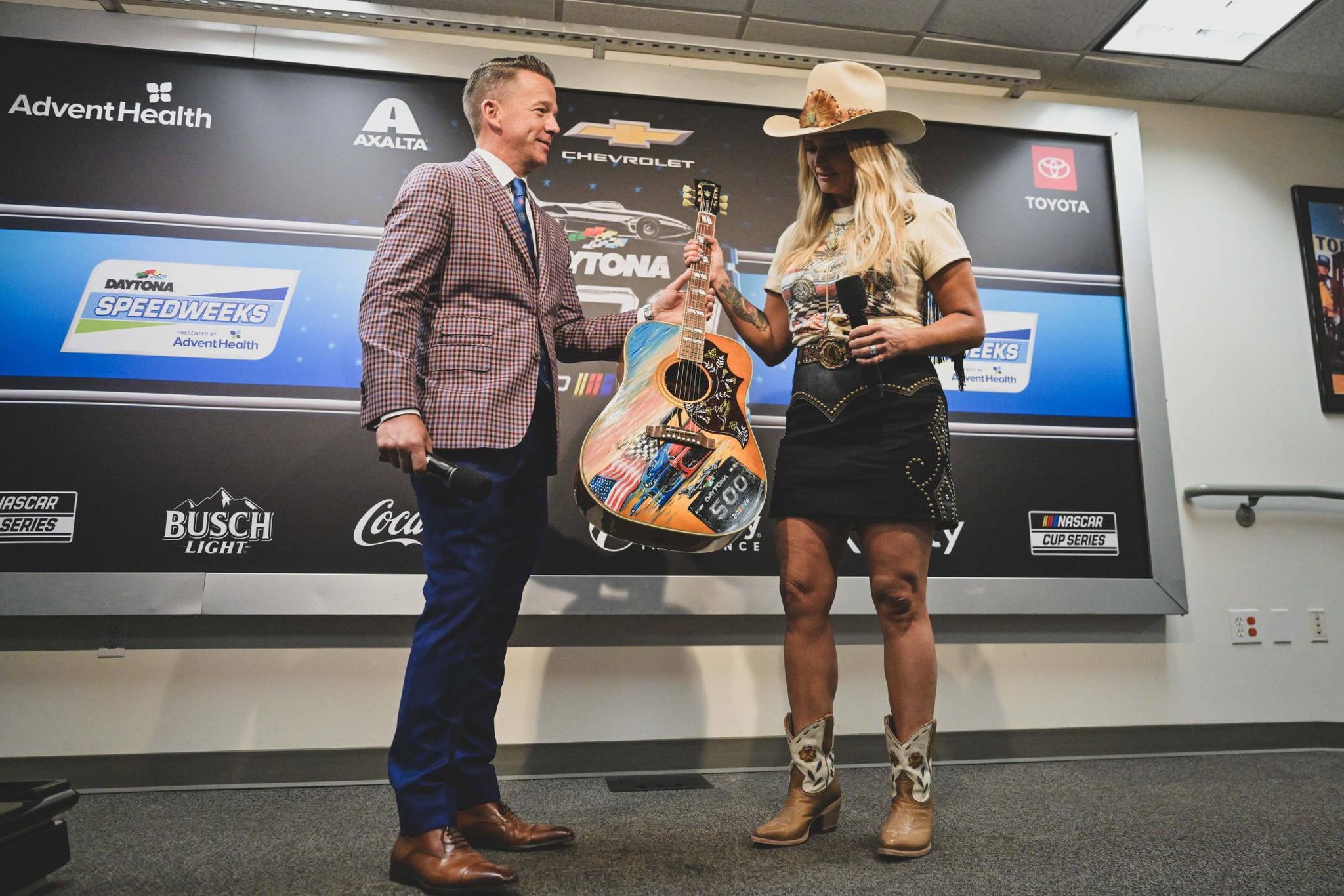
Country Music Star Miranda Lambert Performs Live Ahead of the 2026 Daytona 500 at Daytona International Speedway. Photo by Harry Castiblanco / Florida National News
Star Power on NASCAR’s Biggest Stage
Speedway President Frank Kelleher said Lambert’s presence elevated the atmosphere surrounding the race.
“To have this level of talent with an artist such as Miranda Lambert performing our pre-race concert adds an incredible amount of energy for the 68th running of the DAYTONA 500,” Kelleher said.
The pre-race concert has become a signature part of the Daytona 500 experience, drawing major national recording artists each year.
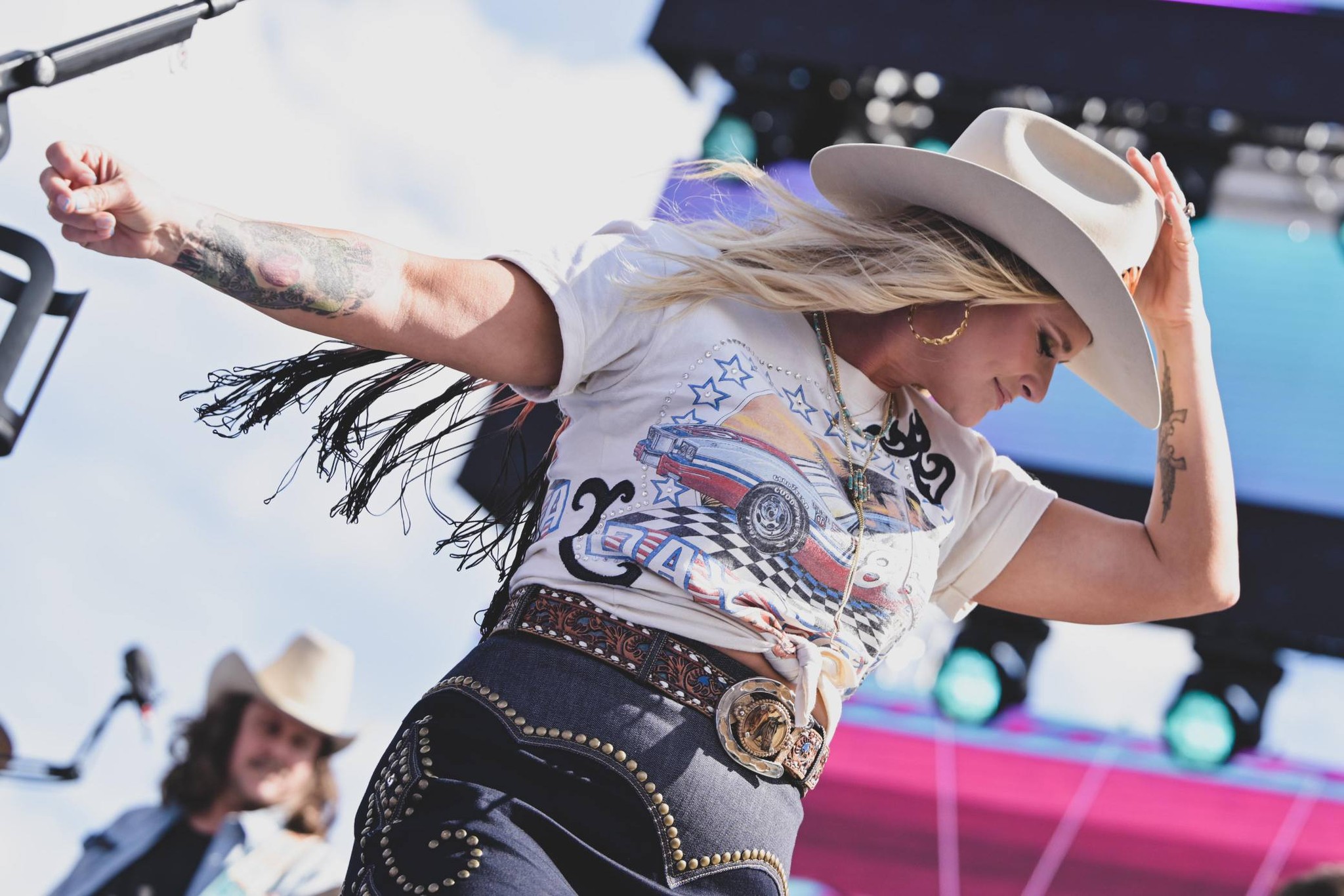
Country Music Star Miranda Lambert Performs Live Ahead of the 2026 Daytona 500 at Daytona International Speedway. Photo by Harry Castiblanco / Florida National News
Continuing a Tradition of Big-Name Performers
Lambert joins a lineup of recent headliners who have performed at the annual event, including Pitbull in 2024, Dierks Bentley in 2023 and Florida Georgia Line in 2016.
The performances add entertainment value to a race weekend already known for its pageantry, celebrity appearances and patriotic tributes.
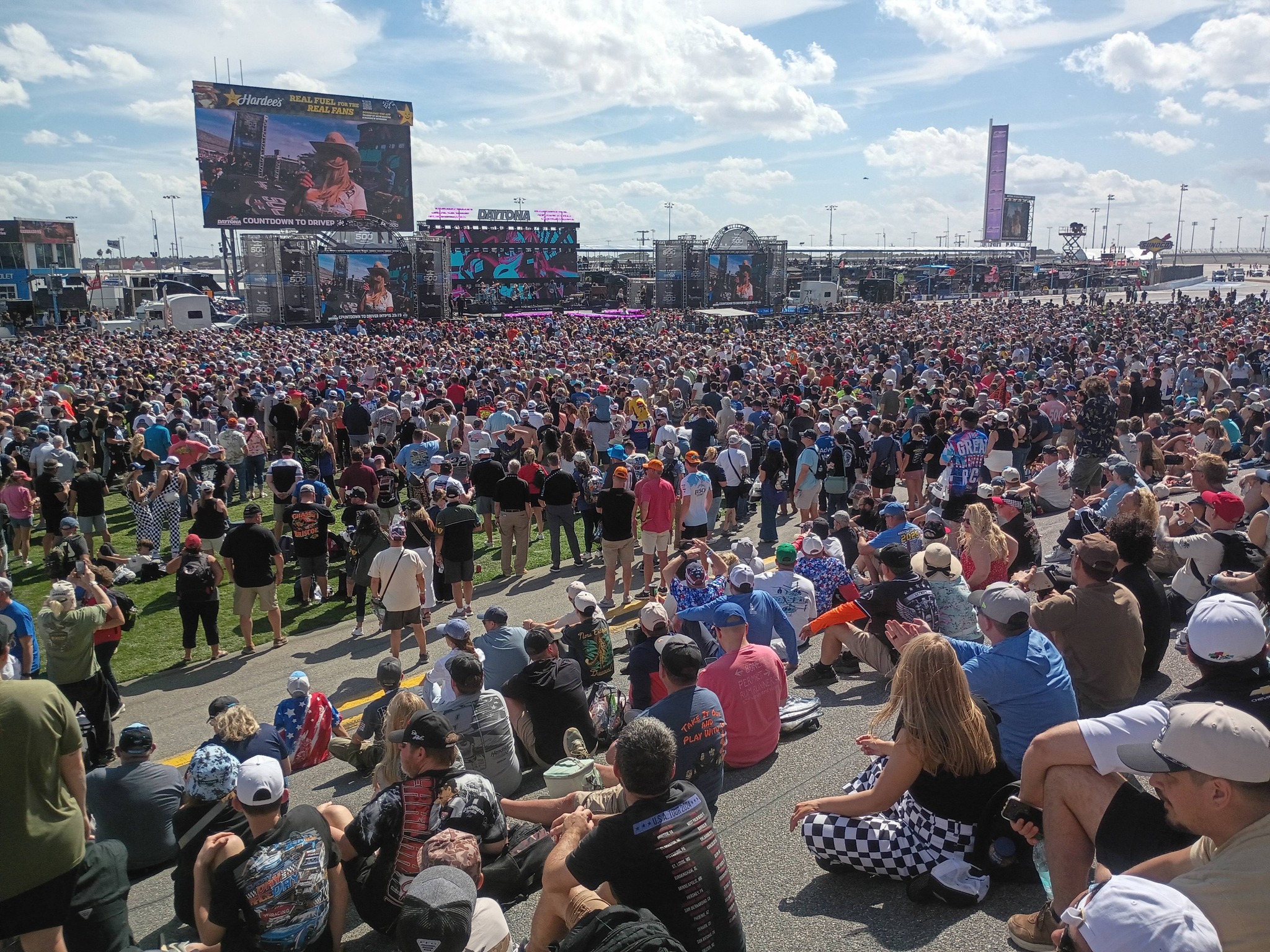
Country Music Star Miranda Lambert Performs Live Ahead of the 2026 Daytona 500 at Daytona International Speedway. Photo by J Willie David, III / Florida National News
A Crowd of More Than 100,000
With grandstands packed and the infield buzzing, Lambert’s concert energized fans before drivers took to the 2.5-mile superspeedway for “The Great American Race.”
The Daytona 500 remains NASCAR’s premier event, combining elite competition with large-scale entertainment — and Lambert’s performance underscored the spectacle that defines race day in Daytona Beach.


