

Education
Empowering Financial Awareness for College-Bound Students (Part 2: Making College Count)


By Dr. Jessica Henlon | Education Contributor for Florida National News
Part 2: Amplifying the Value of Your College Experience
Entering college is an exciting new chapter, but it’s also an investment – of time, effort, and money. After tackling financial aid and making an informed college choice in Part 1, the next step is ensuring you get the greatest return on that investment. This means engaging in your career development, finding mentorship, and pursuing skill-building experiences from day one. These steps not only enhance your résumé but also build your confidence and connections for life after graduation. In this article, we explore how first-generation and online students (indeed, all students) can proactively make the most of college to set up a bright future.
Learning Beyond the Classroom: Start Early on Career Development
Classroom learning is just one part of your college education. Equally important is learning beyond the classroom. This includes internships, part-time jobs, campus leadership, and other hands-on experiences that prepare you for the workforce. Research consistently shows that students who participate in experiential learning reap big benefits. For example, a recent survey by the National Association of Colleges and Employers found that students with a paid internship receive more job offers and higher starting salaries than those without internship experience (Kahn & Patil, 2025). In fact, engaging in at least one work-based learning opportunity during college is linked to better career progress and higher early-career satisfaction (Strada Education Network, 2024).
Unfortunately, not every student has equal access to these opportunities. First-generation college students and those balancing jobs or family responsibilities can find it harder to take on unpaid internships or extra activities (Business-Higher Education Forum, 2024). If you’re in this situation, know that you are not alone, and your college likely has resources to help. Career centers, for instance, exist to connect students with internships, co-ops, and networking events. Many campuses also offer work-study positions or internships that provide flexibility. By starting early (even in your first year) and using these resources, you can secure experiences that make you more competitive and confident.
Consider these steps to jump-start your career development:
- Visit the career center in your first semester: Get to know the advisors who can help polish your résumé, practice interviews, and alert you to internship postings.
- Seek out internships or research projects: Even short-term or part-time experiences build skills and help you explore your interests. If an off-campus internship is challenging due to time or travel, look for on-campus jobs or virtual internship programs related to your field.
- Attend job fairs and networking events: Take advantage of any employer visits, virtual career fairs, or industry panels your college offers. Introduce yourself and ask questions; each conversation can be a learning experience.
By actively pursuing opportunities, you are investing in yourself. Every new connection or skill learned is one more asset for your post-college life.
Mentorship and Networking: Building Your Support System
One of the most empowering steps you can take in college is to find a mentor. A mentor could be a professor, an advisor, a supervisor at work, or an experienced student or alumni in your field. Mentors provide guidance, encouragement, and often open doors to new opportunities. This kind of support is especially valuable if you are a first-generation student who may not have a built-in network of professional contacts. Connecting with mentors and peers helps you build “social capital”, the networks of relationships that can boost your career and personal growth.
Research underscores the power of mentorship. Studies have found that mentored students report greater confidence, clearer goals, and even improved early-career outcomes (Strada Education Network, 2024). In one national survey, college graduates who had a mentor during college were twice as likely to be engaged in their work and thriving in overall well-being after graduation (Gallup, 2014). The message is clear: you don’t have to navigate college (or the job market) alone. Seeking advice is a sign of strength and initiative, not weakness.
How do you find mentors? Start by building relationships with faculty and staff: visit professors’ office hours or talk to your advisor about your interests. Join student organizations or honor societies to meet students in advanced years who can offer tips. Many colleges also have formal mentorship programs, pairing students with alumni or professional volunteers. If you’re studying online, look for virtual mentorship communities or LinkedIn groups in your major. Don’t be afraid to send a polite email to someone whose career path you admire; often, people are happy to share their story or advice. Remember, mentorship is a two-way street built on respect and genuine connection. Come prepared with questions and be open about your goals. Over time, these relationships can blossom into a support system that will continue long after you earn your degree.
Skill-Building Experiences: Invest in Yourself
Beyond grades and classes, employers today are looking for adaptable skills and real-world experience. In a rapidly changing job market, it’s less about your major and more about what you can do. Skills like communication, teamwork, problem-solving, and leadership are often called “soft skills,” but they are crucial competencies that you can hone during college. The good news is that almost every college activity, from volunteering in the community to leading a club or working on a group project, can help build these skills.
Get involved in activities that interest you, whether it’s joining a tech club, writing for the student blog, organizing a community service event, or participating in a hackathon. Such experiences not only enrich your college life but also allow you to practice project management, collaboration, and creative thinking in a low-risk environment. Research shows that students who engage in extracurricular activities often develop better time management and interpersonal skills, and feel a stronger sense of belonging on campus (Kurtović et al., 2021). For first-gen and online learners, these activities can be a game-changer: they provide a sense of community and a break from isolation, which boosts motivation and persistence through challenges.
If you’re worried about stretching yourself too thin, remember that quality matters more than quantity. It’s better to commit to one or two activities that truly excite you than to sign up for everything. Look for “high-impact” experiences like service-learning courses, undergraduate research, or leadership roles in an organization. These tend to yield deeper learning and more significant growth. For example, volunteering for a cause you care about might sharpen your ability to organize events and communicate effectively, while also giving you purpose and stress relief. Likewise, taking on a leadership role, such as serving as a team lead on a class project or an officer in a club, helps you practice decision-making and teaches you to motivate others. Each of these experiences feeds into your personal and professional development, making you more resilient and versatile.
A Call to Action for Your Future
Making college count involves actively shaping your future. By focusing on career development, seeking mentorship, and engaging in skill-building experiences, you take ownership of your journey. This proactive mindset will pay dividends long after graduation. You’ll leave college not only with knowledge in your field, but also with a network of supporters, a portfolio of experiences, and the confidence to navigate the professional world.
_____________________________________________________________________________________________________

About the Author: Dr. Jessica Henlon holds a Ph.D. in Psychology with a specialization in Education. She is an Education Contributor for Florida National News. Dr. Henlon can be reached at Education@FloridaNationalNews.com or book.jessicahenlon@gmail.com.


Education
Dr. Jessica Henlon Honored During Women’s History Month for Leadership in Education, Community and the Arts


ORLANDO, Fla. (FNN) — During Women’s History Month, leaders across the United States are recognized for their contributions to progress, equity and community empowerment. Among them, Florida National News (FNN) recognized Dr. Jessica Henlon, an educational psychologist, executive consultant, and systems builder known for blending strategy, creativity, and community impact in everything she does.
With more than 26 years of experience in student, youth, family and talent development, Dr. Henlon’s professional journey bridges higher education, civic leadership and the creative arts. Her work focuses on designing inclusive systems that foster belonging, equity and purpose — from the classroom to the stage, and from policy development to podcast conversations.
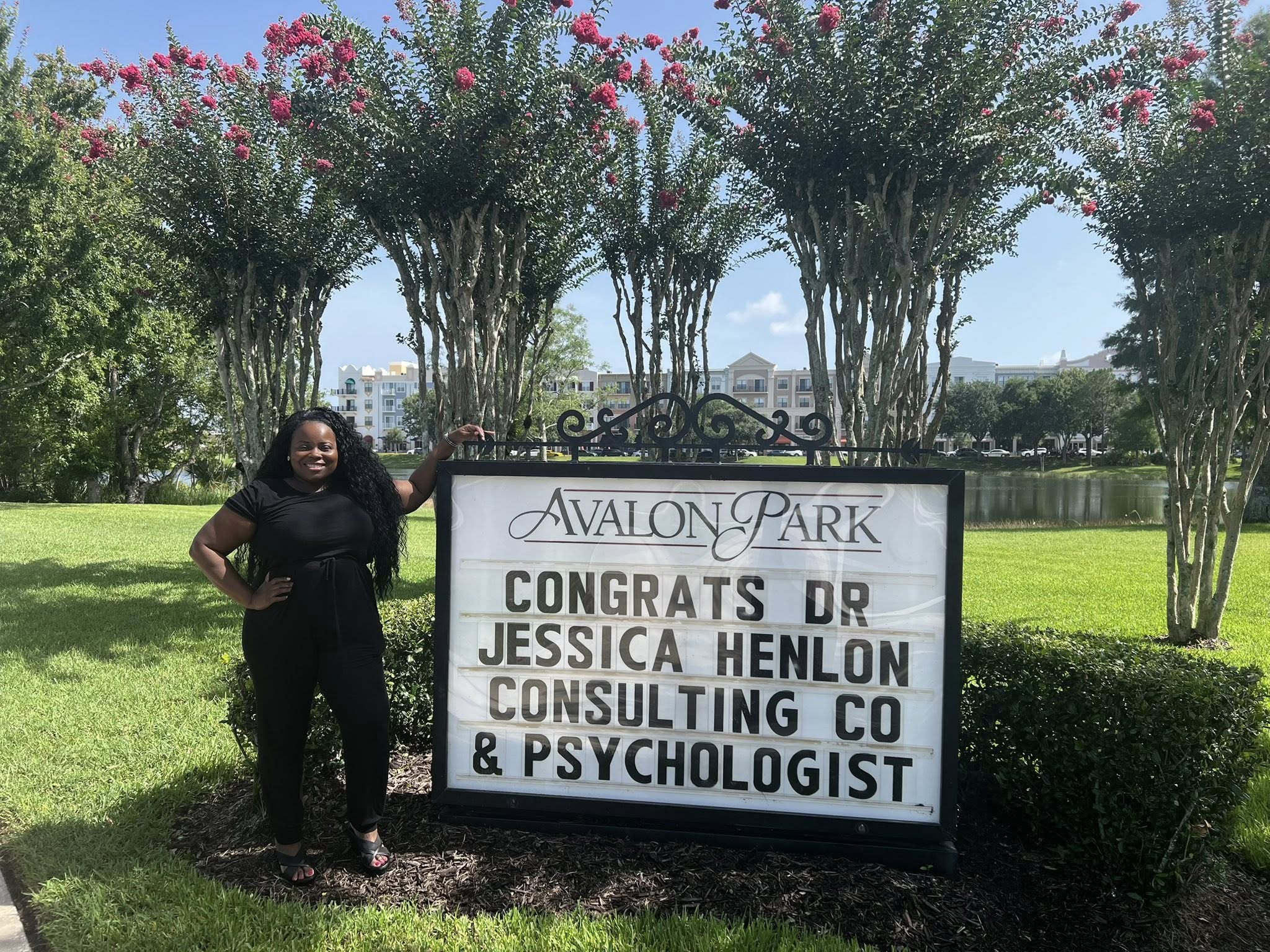
Founder and Principal: Dr. Jessica Henlon Consulting Co.
Dr. Henlon is the Founder and Principal of Dr. Jessica Henlon Consulting Co., a consulting firm dedicated to helping individuals and organizations build cultures of belonging through strategic leadership and storytelling.
Through her company, she has delivered keynote presentations and leadership workshops for organizations including Capella University, the Parikh Giving Alliance and American InterContinental University in Atlanta.
At American InterContinental University, Dr. Henlon presented research on campus belonging and student retention, while at Capella University she served as a panelist during the Virtual Professional Resource Conference discussing careers in applied psychology.
Her presentations, including “Mental Wealth: Wellness Without the Woo” and “Events with Purpose: Student Engagement That Sticks,” have reached audiences across education, business and the arts. She regularly facilitates sessions on student motivation, culturally relevant engagement, crisis leadership and inclusive program design.
Regional Director of Student Success, Valencia College
Dr. Henlon currently serves as Regional Director of Student Success for the West Region at Valencia College, where she leads student success initiatives across three campuses.
In this role, she oversees a cohort-based coaching model aligned with meta-majors, integrating academic advising, career development and institutional redesign strategies. Her leadership has contributed to record-breaking student engagement during early registration events, helping students access resources and remain on track toward their academic goals.
In January 2026, she co-presented at the NASPA Florida Drive-In Conference, representing Valencia College in a session titled “From Silos to Synergy: A Collegewide Approach to Student Success Coaching.” The presentation highlighted how centralized coaching structures and cross-functional partnerships strengthen student outcomes.
Dr. Henlon also contributes to campus well-being through her service on Valencia College’s Care and Concern Committee and Behavior Assessment Team (BAT), supporting proactive student support and campus safety initiatives.
24 Years of Leadership at Full Sail University
Prior to joining Valencia College, Dr. Henlon spent 24 years at Full Sail University, serving in leadership roles including Director of Student Development and Director of Academic Advising.
In 2018, she founded the Student Development Department, which included programs for:
- Care & Concern support services
- Community involvement and volunteerism
- Co-curricular student engagement
- Leadership development initiatives
She also launched the First-Generation College Student Program and helped establish more than 40 student organizations.
Under her leadership, participation in campus and virtual programming surpassed 60 percent of the student population.
Dr. Henlon also led student conduct and crisis intervention initiatives, facilitated Title IX-related hearings, and co-authored institutional policies focused on student wellness, inclusion and success.
As Chair of the President’s Diversity, Inclusion, Belonging and Social Impact Committee in 2024 and 2025, she spearheaded cross-campus initiatives connecting faculty, staff, students and alumni.
Among the committee’s notable community projects was a collaboration with the Wells’Built Museum of African American History and Culture, where Full Sail students restored historic images of the Tuskegee Airmen, helping preserve local Black history while expanding student learning opportunities.
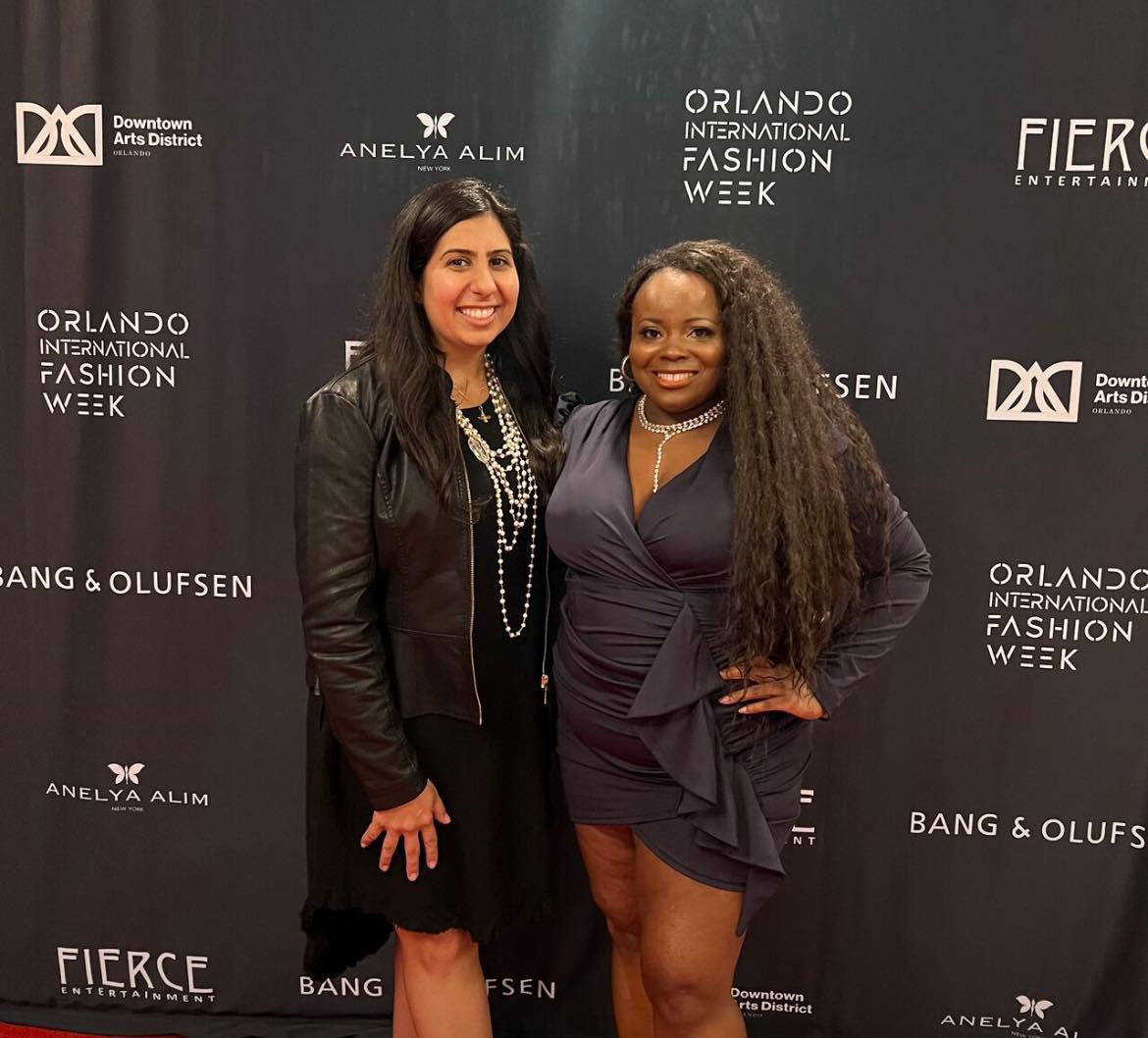
Creative Leadership:
Fierce Entertainment and Orlando International Fashion Week
Dr. Henlon’s influence also extends into arts and culture through her involvement with Fierce Entertainment and Orlando International Fashion Week (OIFW).
OIFW is a nonprofit organization that hosts biannual fashion showcases and cultural events aimed at strengthening Florida’s creative economy while promoting international tourism and multicultural representation in fashion.
Through these initiatives, Dr. Henlon has helped support programs that highlight:
- Emerging designers
- Student creative talent
- Multicultural representation in fashion and media
She also co-hosts the “Fierce Entertainment Live” podcast alongside Rob Henlon and Starr Dalton, a platform dedicated to elevating diverse creators and civic voices.
Her community involvement includes judging the Miss Winter Park Scholarship Competition, a preliminary event to Miss America, and supporting community cultural events such as Orlando Carnival Downtown.
Fierce Entertainment’s work has also been recognized locally, with site visits and community engagement initiatives supported by Orlando Mayor Buddy Dyer and Orange County Mayor Jerry Demings.
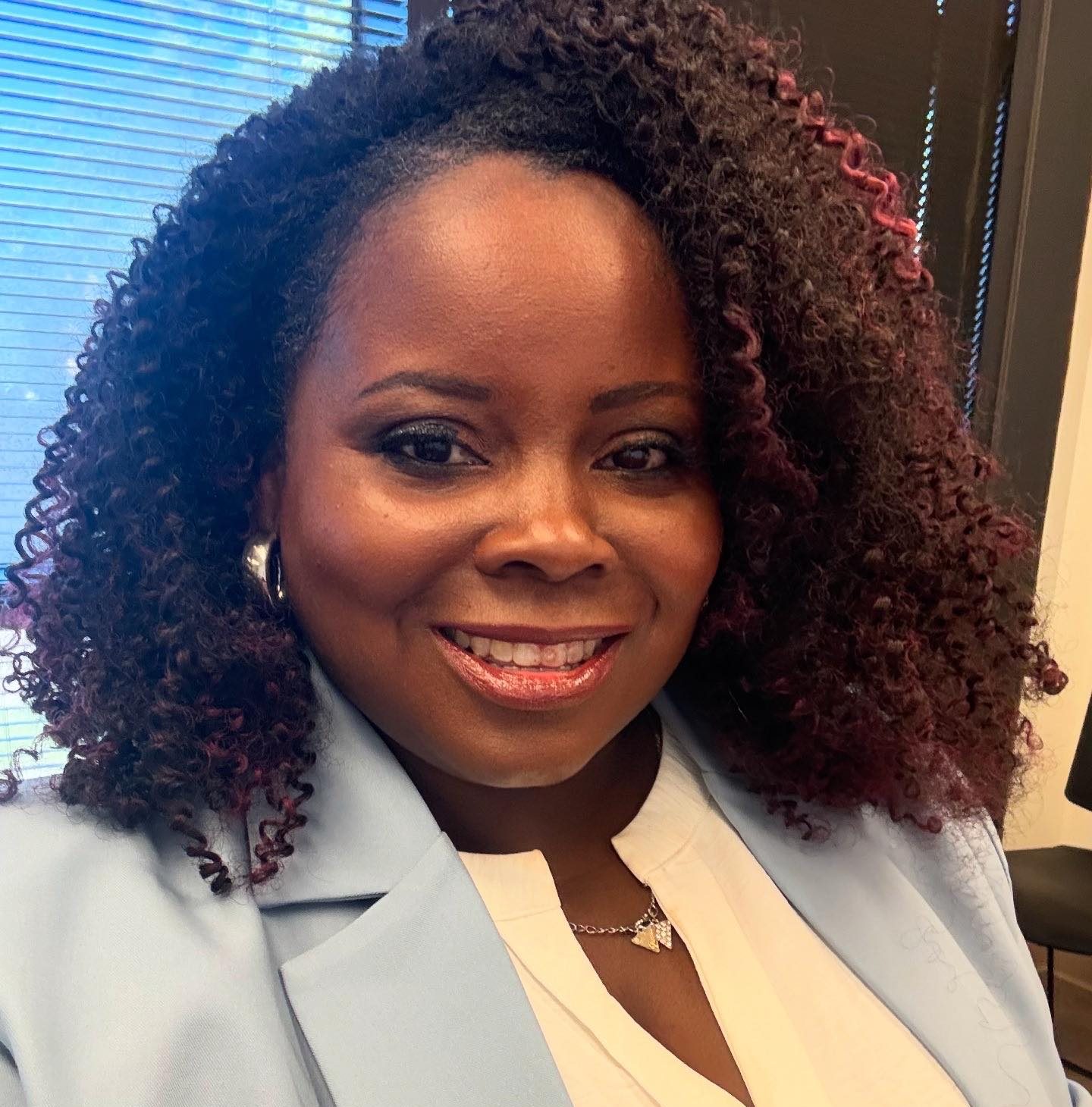
Academic Credentials and Leadership Development
Dr. Henlon holds:
- PhD in Educational Psychology
- Master’s degree in Counseling with a specialization in School Counseling
- Bachelor’s degree in Psychology
Her doctoral dissertation examined virtual learning experiences of first-generation college students, focusing on how digital communities support motivation and persistence.
Her professional development credentials include:
- Harvard ManageMentor certification
- Seeking Educational Equity and Diversity (SEED) training
- Behavioral coaching certification through Behavioral Essentials
She is also a graduate of Leadership Winter Park, Class 34, and a member of the Winter Park Chamber of Commerce.
Dr. Henlon is also a proud member of Delta Sigma Theta Sorority, Inc.

Impact on Women and Future Leaders
Raised in a military family and shaped by her Panamanian and Afro-Caribbean heritage, Dr. Henlon brings cultural awareness, compassion and mentorship into every leadership role she holds.
Through her work in education, consulting and the arts, she continues to mentor young professionals, support women in leadership and champion inclusive systems that help people feel seen, valued and empowered.
Her leadership philosophy centers on radical belonging and collective empowerment, ensuring that individuals — particularly those from historically marginalized communities — have opportunities to succeed.

A Legacy of Belonging
Dr. Henlon’s voice and perspective were featured in the exhibition “A Peace of My Mind” by photographer John Noltner, hosted at the Holocaust Memorial Resource and Education Center of Florida, where she reflected on the meaning of belonging.
“Peace means knowing that your needs are met, you have value, and you belong… so much that you strive to share that feeling with others,” Henlon said.
Key Achievements and Milestones
- More than 26 years of leadership in higher education and student development
- Founder of Dr. Jessica Henlon Consulting Co.
- Regional Director of Student Success at Valencia College
- Founded Full Sail University’s Student Development Department
- Established 40+ student organizations and a First-Generation Student Program
- Co-presented at NASPA Florida Drive-In Conference (2026)
- Community cultural leadership with Fierce Entertainment and OIFW
- National conference presenter and leadership consultant

Central Florida News
Lift Orlando and Valencia College Launch Free-Tuition Scholarship for Jones High Graduates

By Dr. Jessica Henlon | Education Contributor for Florida National News
On January 7, 2026, Valencia College and Lift Orlando announced the launch of the Lift Scholars program, offering full tuition and fee coverage at Valencia for every graduate of Jones High School’s Class of 2026 through 2029. Whether pursuing an associate degree or short-term technical certificate, students will now have the opportunity to earn credentials without the burden of tuition.
Lift Orlando CEO Eddy Moratin called the initiative a commitment to removing obstacles: “Cost should never stand in the way of a student’s future” (Valencia College, 2026). Valencia President, Dr. Kathleen Plinske, noted that the program builds on the success of Osceola County’s Prosper initiative and affirmed that “the lives of hundreds of Jones students and their families will be transformed by today’s news” (Valencia College, 2026). Orange County Public Schools (OCPS) Superintendent Dr. Maria Vazquez described the scholarship as “an extraordinary gift” that “opens doors” for students who might have otherwise seen college as out of reach (Valencia College, 2026).
The announcement was met with tears, cheers, and celebration. Perhaps no moment captured the joy more vividly than when OCPS District 5 Board member and Jones High alumna Vicki-Elaine Felder took the mic, pointing to students proclaiming: “You get a scholarship, and you get a scholarship!” On social media, she shared her pride with fellow alumni, calling the news a “wonderful opportunity for my Alma Mater JHS🧡💚🐅🎉🥳🙌🏾.”
Building on Proven Promise Programs
The Lift Scholars model joins a national movement of place-based Promise scholarships. Since Michigan’s Kalamazoo Promise launched in 2005, more than 400 similar programs have emerged nationwide. These scholarships have shown powerful results: Bartik et al. (2021) found recipients were significantly more likely to enroll in and complete college compared to similar students without aid.
Closer to home, Osceola County’s Prosper program has enrolled over 10,000 students since its launch in 2022 and helped more than 1,100 earn associate degrees through Valencia (Mead, 2025). The initiative raised Osceola’s college-going rate from one of Florida’s lowest to among its highest, a compelling model for Lift Scholars’ potential (Valencia College, 2026).
Cost Is Still the Biggest Barrier
Research consistently affirms that financial strain is the top barrier to college enrollment. A Gallup–Lumina Foundation survey found that 85% of adults who never enrolled or who left college early cited tuition and fees as a major factor (Carrasco, 2024). Removing those costs measurably boosts participation.
Even modest scholarship programs have demonstrated impact. A multi-state study by Mayer et al. (2015) showed that performance-based aid increased both persistence and five-year graduation rates. More recently, Berlanga and Corti (2025) found that scholarship recipients earned higher GPAs and graduated at significantly greater rates than peers.
A Personal Lens: Support Must Follow Access
My doctoral research explored how financial support, when paired with meaningful engagement, drives student persistence. I interviewed first-generation online learners who described how virtual co-curricular experiences boosted their motivation, belonging, and academic follow-through (Henlon, 2025). Financial access opens the door, but relationships, visibility, and mentorship sustain the journey.
A Gift That Multiplies
For Jones High families, this is more than a scholarship. It’s a public affirmation that their children’s futures matter. It’s also a community investment with long-term dividends. As Dr. Vazquez noted, this program will empower students “to pursue their goals with confidence” (Valencia College, 2026).
When students are relieved of tuition burdens, they gain freedom to explore careers in healthcare, logistics, education, or advanced manufacturing. To dream, to plan, and to persist. And when communities like Orlando come together to send a bold message of hope, everyone benefits.
About the Author: Dr. Jessica Henlon holds a Ph.D. in Psychology with a specialization in Education. She is an Education Contributor for Florida National News. Dr. Henlon can be reached at Education@FloridaNationalNews.com or book.jessicahenlon@gmail.com.


 Faith & Family5 days ago
Exponential 2026 Draws 5,000 Church Leaders to Orlando, Advancing Global Church Multiplication Movement
 Politics4 days ago
Palm Beach Turns Blue: Gregory Wins Special Election in Florida House District 87
 Sports5 days ago
Karolina Muchova Dominates Alexandra Eala 6-0, 6-2 at Miami Open to Advance
 Entertainment4 days ago
Orlando International Fashion Week Announces Media Partnership With Florida National News
 Politics2 days ago
2026 Women’s History Month Spotlight: The Honorable Daisy Morales


