

Education
Empowering Financial Awareness for College-Bound Students


By Dr. Jessica Henlon | Education Contributor for Florida National News
Part 1: Navigating FAFSA Season and Financial Decision-Making
Every year, mid-October marks the height of FAFSA season, a time when college-bound students and their families tackle the Free Application for Federal Student Aid (FAFSA) in hopes of securing financial assistance. This process often brings a mix of excitement and anxiety, and for many, applying for aid is an emotional journey. Students may feel overwhelmed by the complexity of forms and the weight of financial decisions that could shape their college opportunities.
This first article in our two-part series addresses the emotional and practical challenges of FAFSA season. It highlights how building financial awareness empowers students in choosing a college and planning for the future. We explore tools like the U.S. Department of Education’s College Scorecard, the importance of understanding student loans and repayment, and the mental health aspects of taking on debt.

The Emotions and Challenges of FAFSA Season
Filling out the FAFSA can be both practically challenging and emotionally charged. Students must gather tax documents, understand financial jargon, and meet deadlines, tasks that can be especially daunting for those without prior guidance, a situation common among first-generation college students (The Education Trust, 2024). Emotionally, there is a lot at stake. Students know that financial aid outcomes may determine where, or if, they can afford to go to college.
Stress, confusion, and fear of making mistakes are common feelings during this process. Recent reports describe “tremendous mental health strain” among students awaiting financial aid letters (The Education Trust, 2024). One study found that words like “uncertainty,” “confusion,” “anxiety,” and “fatigue” frequently appeared in student conversations about financial aid (Sinha et al., 2023). An essential first step is to acknowledge these feelings as valid. Feeling nervous means you care about your future.
Students are not alone. Counselors, teachers, and online resources are available to guide them through the FAFSA. By taking the process one step at a time and asking for help when needed, students can turn this stressful season into an empowering experience.
Financial Awareness as Part of the College Decision
Financial awareness is a key component of thoughtful college decision-making. While it is easy to focus on rankings or campus life, understanding the financial fit of a college is just as important as the academic fit. That includes looking beyond sticker prices to consider net costs, projected borrowing, and long-term affordability.
Students from all backgrounds, and especially those from lower-income or first-generation families, benefit from early conversations about college costs and budgeting (BestColleges, 2023). Many young adults later wish they had learned more about loans and financial planning before starting college. A study of student social media posts found common expressions of regret, such as “I should’ve learned about budgeting,” with many reporting they did not fully understand the debt they were taking on (University of Georgia, 2023).
One practical strategy is to compare aid packages and calculate the net cost of attendance. If College A offers more scholarships than College B, it may be more affordable overall, even if its tuition is higher. Students can ask: “Which college gives me the education I want with the least financial burden?” Framing the decision in this way gives students agency and helps ensure that their college experience is both enriching and sustainable.
Using the College Scorecard for Informed Choices
To make informed comparisons, students can turn to the U.S. Department of Education’s College Scorecard (https://collegescorecard.ed.gov). This free tool offers data on tuition, financial aid, graduation rates, average debt, and post-college earnings (Institute for Higher Education Policy [IHEP], 2023). Rather than relying on marketing materials or reputation alone, families can use real figures to guide decision-making.
For example, the Scorecard shows the average annual cost by income level, typical loan repayment success, and median earnings for graduates in different fields (IHEP, 2023). This information helps clarify the return on investment: Do graduates of this program earn enough to manage their debt? Are students likely to graduate and find stable employment?
By using the Scorecard, students might discover that one school has a higher graduation rate or that a particular major leads to more substantial earnings. Numbers are not everything, but they can help reduce uncertainty. Financial awareness is not about being overly money-focused; it is about protecting one’s future well-being. Using the Scorecard alongside academic fit and personal preferences helps students make decisions with complete confidence.
Student Loan Borrowing: Plan Before You Borrow
Many students borrow for college. The goal is not to avoid loans at all costs, but to use them intentionally. Federal student loans have flexible repayment plans and safety nets for low-income graduates (Bergland, 2023). Still, borrowing only what is needed and understanding the basics, like projected payments and career earnings, can reduce financial stress later.
Most undergraduates borrow modest amounts, with typical federal student loan balances ranging from $20,000 to $25,000 (Board of Governors of the Federal Reserve System, 2025). While six-figure balances tend to dominate headlines, they are rare among undergraduate borrowers (Hanson, 2024). Financial aid advisors and loan calculators can help students create realistic repayment strategies based on expected salaries. A thoughtful approach to borrowing supports both educational and emotional well-being.
The Emotional Burden of Debt: Mental Health Matters
Financial decisions also carry psychological weight. Studies show clear links between student debt and increased anxiety, depression, and cognitive stress (Walsemann et al., 2015; Bergland, 2023). These effects are especially pronounced among underserved or first-generation students, who may feel additional pressure or lack support systems (The Education Trust, 2023).
Acknowledging the emotional dimension of debt is essential. Colleges increasingly offer financial wellness workshops, counseling services, and mentorship programs that address both fiscal and mental health needs. Seeking help is a sign of strength. Education should empower, not overwhelm—and maintaining mental well-being is part of making the most of the college experience.
National Trends in Student Loans and Repayment
Understanding national patterns helps students place their personal finances in context. As of mid-2025, Americans owe approximately $1.8 trillion in student loans, but the majority of borrowers owe less than $25,000 (Education Data Initiative, 2025; Board of Governors of the Federal Reserve System, 2025). Repayment often extends beyond 10 years, especially for those using income-driven plans or returning to school.
Despite these long timelines, many borrowers successfully manage their payments. Federal policies such as the SAVE Plan offer income-based payment caps to support financial stability (Bergland, 2023). Students who complete their degrees and stay informed about repayment options tend to experience better outcomes.
Conclusion: A Call to Thoughtful Action
Financial awareness is not about fear; it is about empowerment. For college-bound students, developing a plan for paying for school is an investment in peace of mind. By approaching FAFSA season with curiosity, self-advocacy, and informed support, students can make decisions that serve both their academic dreams and their long-term well-being.
Part 2 of this series will explore how to make the most of college through career development, mentorship, and skill-building experiences that amplify the return on educational investment. Until then, students are encouraged to keep asking questions, seeking support, and remembering that taking ownership of their financial journey is a powerful form of self-leadership.
__________________________________________________________________________________________________

About the Author: Dr. Jessica Henlon holds a Ph.D. in Psychology with a specialization in Education. She is an Education Contributor for Florida National News. Dr. Henlon can be reached at Education@FloridaNationalNews.com or book.jessicahenlon@gmail.com.

Central Florida News
UCP Charter Schools, UCF Launch Community Schools Initiative to Expand Student and Family Support


Education
Dr. Jessica Henlon Honored During Women’s History Month for Leadership in Education, Community and the Arts


ORLANDO, Fla. (FNN) — During Women’s History Month, leaders across the United States are recognized for their contributions to progress, equity and community empowerment. Among them, Florida National News (FNN) recognized Dr. Jessica Henlon, an educational psychologist, executive consultant, and systems builder known for blending strategy, creativity, and community impact in everything she does.
With more than 26 years of experience in student, youth, family and talent development, Dr. Henlon’s professional journey bridges higher education, civic leadership and the creative arts. Her work focuses on designing inclusive systems that foster belonging, equity and purpose — from the classroom to the stage, and from policy development to podcast conversations.
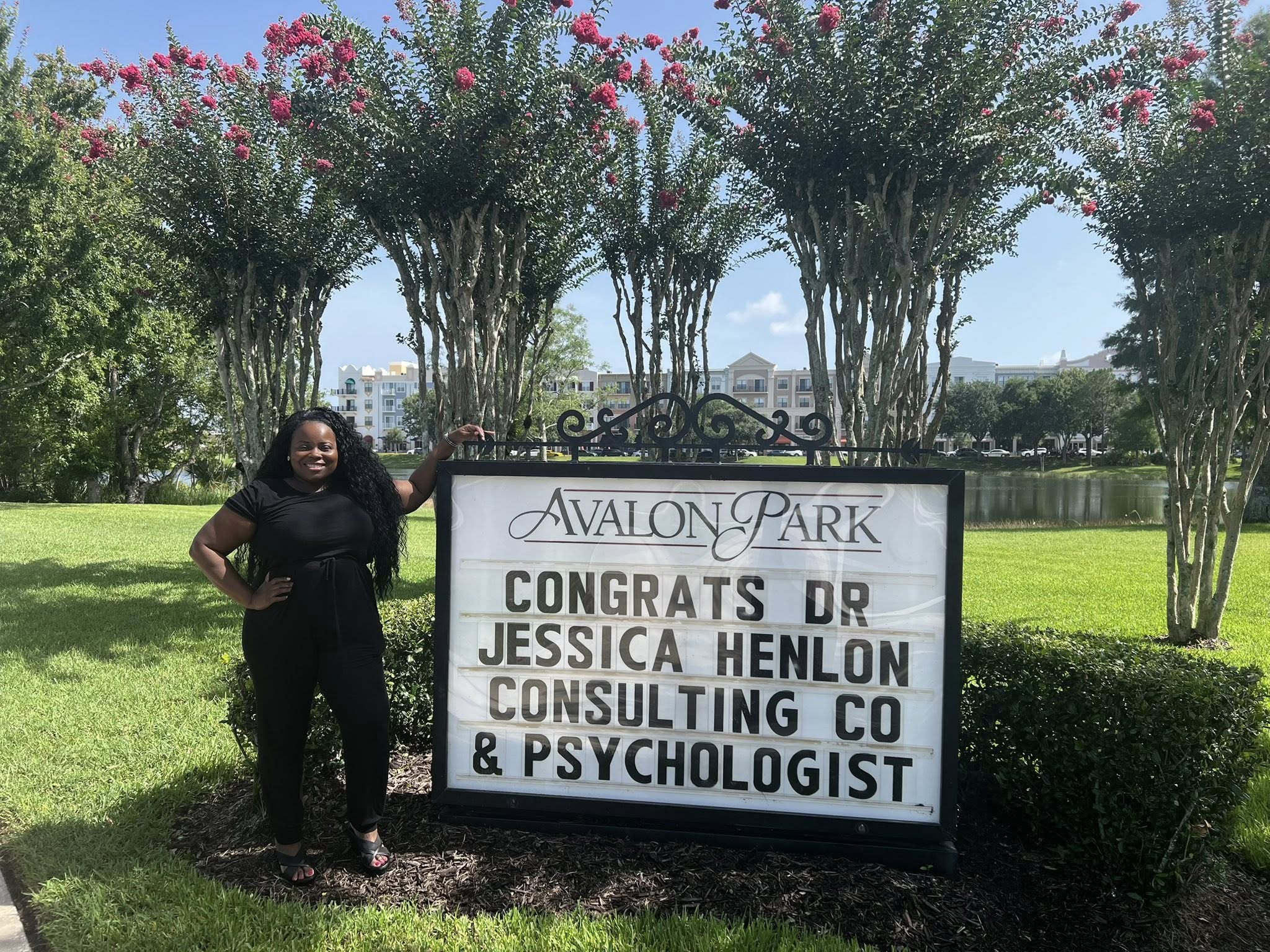
Founder and Principal: Dr. Jessica Henlon Consulting Co.
Dr. Henlon is the Founder and Principal of Dr. Jessica Henlon Consulting Co., a consulting firm dedicated to helping individuals and organizations build cultures of belonging through strategic leadership and storytelling.
Through her company, she has delivered keynote presentations and leadership workshops for organizations including Capella University, the Parikh Giving Alliance and American InterContinental University in Atlanta.
At American InterContinental University, Dr. Henlon presented research on campus belonging and student retention, while at Capella University she served as a panelist during the Virtual Professional Resource Conference discussing careers in applied psychology.
Her presentations, including “Mental Wealth: Wellness Without the Woo” and “Events with Purpose: Student Engagement That Sticks,” have reached audiences across education, business and the arts. She regularly facilitates sessions on student motivation, culturally relevant engagement, crisis leadership and inclusive program design.
Regional Director of Student Success, Valencia College
Dr. Henlon currently serves as Regional Director of Student Success for the West Region at Valencia College, where she leads student success initiatives across three campuses.
In this role, she oversees a cohort-based coaching model aligned with meta-majors, integrating academic advising, career development and institutional redesign strategies. Her leadership has contributed to record-breaking student engagement during early registration events, helping students access resources and remain on track toward their academic goals.
In January 2026, she co-presented at the NASPA Florida Drive-In Conference, representing Valencia College in a session titled “From Silos to Synergy: A Collegewide Approach to Student Success Coaching.” The presentation highlighted how centralized coaching structures and cross-functional partnerships strengthen student outcomes.
Dr. Henlon also contributes to campus well-being through her service on Valencia College’s Care and Concern Committee and Behavior Assessment Team (BAT), supporting proactive student support and campus safety initiatives.
24 Years of Leadership at Full Sail University
Prior to joining Valencia College, Dr. Henlon spent 24 years at Full Sail University, serving in leadership roles including Director of Student Development and Director of Academic Advising.
In 2018, she founded the Student Development Department, which included programs for:
- Care & Concern support services
- Community involvement and volunteerism
- Co-curricular student engagement
- Leadership development initiatives
She also launched the First-Generation College Student Program and helped establish more than 40 student organizations.
Under her leadership, participation in campus and virtual programming surpassed 60 percent of the student population.
Dr. Henlon also led student conduct and crisis intervention initiatives, facilitated Title IX-related hearings, and co-authored institutional policies focused on student wellness, inclusion and success.
As Chair of the President’s Diversity, Inclusion, Belonging and Social Impact Committee in 2024 and 2025, she spearheaded cross-campus initiatives connecting faculty, staff, students and alumni.
Among the committee’s notable community projects was a collaboration with the Wells’Built Museum of African American History and Culture, where Full Sail students restored historic images of the Tuskegee Airmen, helping preserve local Black history while expanding student learning opportunities.

Creative Leadership:
Fierce Entertainment and Orlando International Fashion Week
Dr. Henlon’s influence also extends into arts and culture through her involvement with Fierce Entertainment and Orlando International Fashion Week (OIFW).
OIFW is a nonprofit organization that hosts biannual fashion showcases and cultural events aimed at strengthening Florida’s creative economy while promoting international tourism and multicultural representation in fashion.
Through these initiatives, Dr. Henlon has helped support programs that highlight:
- Emerging designers
- Student creative talent
- Multicultural representation in fashion and media
She also co-hosts the “Fierce Entertainment Live” podcast alongside Rob Henlon and Starr Dalton, a platform dedicated to elevating diverse creators and civic voices.
Her community involvement includes judging the Miss Winter Park Scholarship Competition, a preliminary event to Miss America, and supporting community cultural events such as Orlando Carnival Downtown.
Fierce Entertainment’s work has also been recognized locally, with site visits and community engagement initiatives supported by Orlando Mayor Buddy Dyer and Orange County Mayor Jerry Demings.
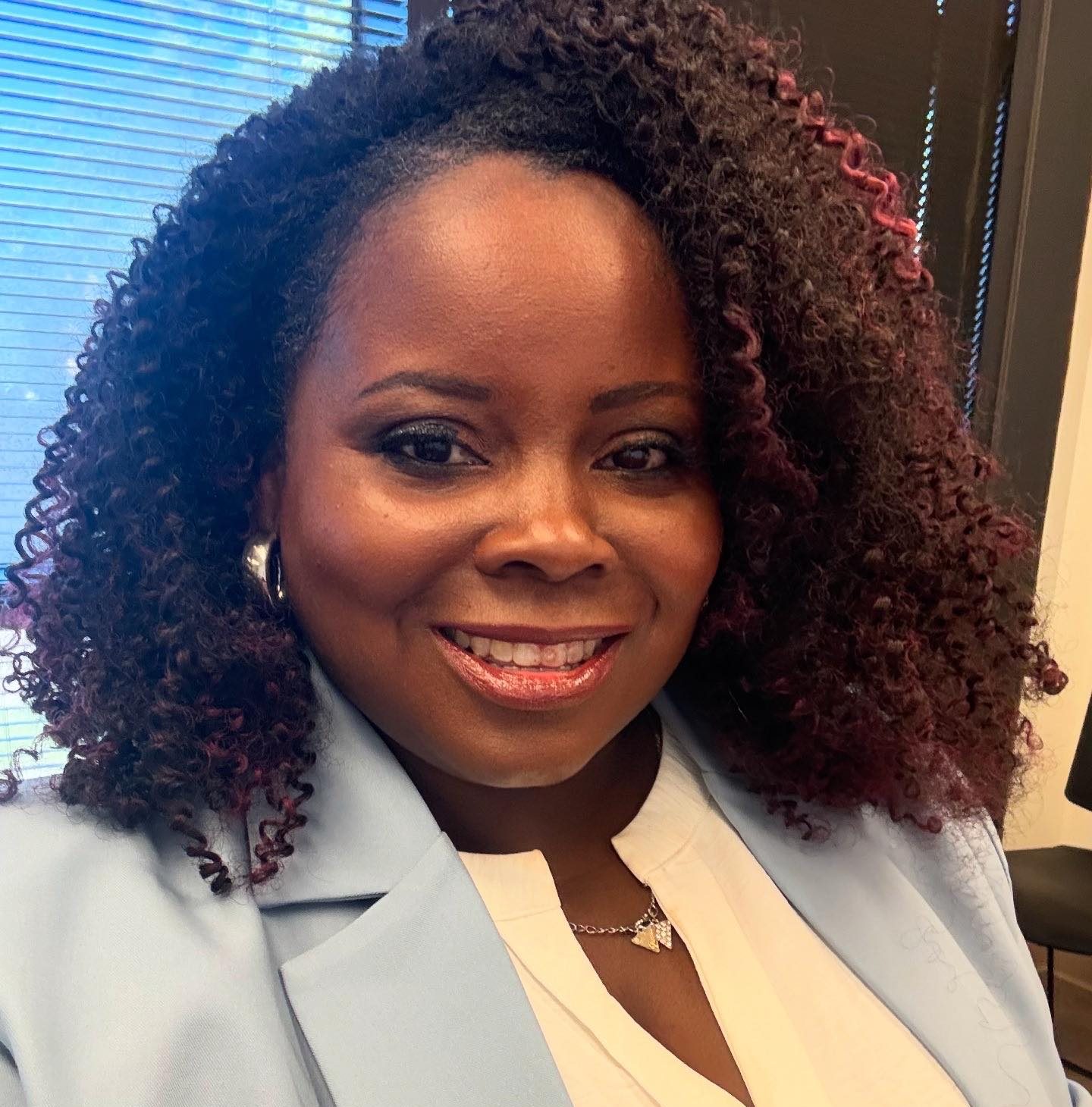
Academic Credentials and Leadership Development
Dr. Henlon holds:
- PhD in Educational Psychology
- Master’s degree in Counseling with a specialization in School Counseling
- Bachelor’s degree in Psychology
Her doctoral dissertation examined virtual learning experiences of first-generation college students, focusing on how digital communities support motivation and persistence.
Her professional development credentials include:
- Harvard ManageMentor certification
- Seeking Educational Equity and Diversity (SEED) training
- Behavioral coaching certification through Behavioral Essentials
She is also a graduate of Leadership Winter Park, Class 34, and a member of the Winter Park Chamber of Commerce.
Dr. Henlon is also a proud member of Delta Sigma Theta Sorority, Inc.

Impact on Women and Future Leaders
Raised in a military family and shaped by her Panamanian and Afro-Caribbean heritage, Dr. Henlon brings cultural awareness, compassion and mentorship into every leadership role she holds.
Through her work in education, consulting and the arts, she continues to mentor young professionals, support women in leadership and champion inclusive systems that help people feel seen, valued and empowered.
Her leadership philosophy centers on radical belonging and collective empowerment, ensuring that individuals — particularly those from historically marginalized communities — have opportunities to succeed.

A Legacy of Belonging
Dr. Henlon’s voice and perspective were featured in the exhibition “A Peace of My Mind” by photographer John Noltner, hosted at the Holocaust Memorial Resource and Education Center of Florida, where she reflected on the meaning of belonging.
“Peace means knowing that your needs are met, you have value, and you belong… so much that you strive to share that feeling with others,” Henlon said.
Key Achievements and Milestones
- More than 26 years of leadership in higher education and student development
- Founder of Dr. Jessica Henlon Consulting Co.
- Regional Director of Student Success at Valencia College
- Founded Full Sail University’s Student Development Department
- Established 40+ student organizations and a First-Generation Student Program
- Co-presented at NASPA Florida Drive-In Conference (2026)
- Community cultural leadership with Fierce Entertainment and OIFW
- National conference presenter and leadership consultant
_____________________________________________________________________________________
About the Florida National News Women’s History Month Series
Each March, Florida National News proudly celebrates Women’s History Month by highlighting the achievements, leadership, and impact of women across Florida and beyond. This special editorial series spotlights trailblazers in arts, culture, and fashion; business and entrepreneurship; education and academia; government and public service; media and communications; military and veterans; nonprofit and community leadership; philanthropy; and sports and athletics—women whose stories inspire progress and empower future generations.


 Central Florida News3 days ago
ANNIKA Media Day Brings Melanie Green Back to Tampa Bay Ahead of Tournament Debut
 Central Florida News2 days ago
USF Pulls Away From Delaware State in 59-17 Win
 Business14 hours ago
FNN News Expands National Event Coverage With Los Angeles, Atlanta and Las Vegas Plans
 Central Florida News2 days ago
Buccaneers Stunned by Browns 23-19 in Home Opener, Fall to 0-2
 Business12 hours ago
Addition Financial, Rosen Preschools Partner to Expand Financial Literacy for Central Florida Children


