Connect with us

Politics

[Opinion] The Barbs Are Flying in the Florida State House District #44 Special Election

Published

on

ORANGE COUNTY (FNN NEWS) - Opponents and supporters already swinging for this highly sought-after seat with roughly 2 months remaining before the primary.

ORANGE COUNTY, Fla. (FNN NEWS) – A special election for the Florida State House District 44 seat is on the immediate horizon to replace recently appointed 5th District of Appeals Judge Eric Eisnaugle. Interestingly, the outgoing Eisnaugle won his original election to the District #44 seat in–you guessed it–a special election, in 2014. Eisnaugle high-handedly beat out Democrat Sean Raja in a district that skews heavily Republican. But this special election has opponents and supporters already swinging for this highly sought-after seat with roughly two months remaining before the primary.
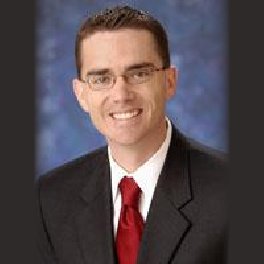
Photo courtesy of 5th District of Appeals Judge Eric Eisnaugle (pictured).

Photo courtesy of 5th District of Appeals Judge Eric Eisnaugle (pictured).

Florida Governor Rick Scott announced the primary for the special election will be on August 15th and the special election for the Florida House District 44 seat will be October 10th. Running for the seat are five candidates that qualified in mid June: one Democrat and four Republicans. The predominantly white District has approximately 112,000 registered voters, with Republicans leading the pack. The easiest description of the district is West Orange County, but it’s basically bordered from Osceola County to Apopka including the heavy voter turnout areas of Dr. Phillips, Bay Hill and Windermere, up to parts of Winter Garden.

Let me briefly break down each candidate.


PAUL CHANDLER: THE SOLE DEMOCRAT TO QUALIFY IN THE RACE

Florida House District 44 Democratic candidate Paul Chandler. Photo courtesy of Yahoo Images.

Florida House District 44 Democratic candidate Paul Chandler. Photo courtesy of Yahoo Images.

Democrat Paul Chandler automatically goes to the special election in October because he is the only Democrat that qualified by deadline. Chandler is founder, president and chairman of Ohana Healthcare, a multi-state company he runs from offices near Lake Buena Vista that provides full-service operational services and education programs to small-and medium-size physicians groups and small hospitals. I was unable to locate a campaign Facebook or political webpage to share and his campaign finance reports are grim at best.

Photo courtesy of Orange County Democratic Party Chairman Wes Hodge (pictured).

Photo courtesy of Orange County Democratic Party Chairman Wes Hodge (pictured).

Wes Hodge, Chairman of the Orange County Democratic Party said of Chandler’s chances, “House District 44, much like the rest of Orange County, is trending Democratic as we move forward. The Orange County Democratic Party is glad our voters will have a clear choice in October, and they will be able to vote for a candidate who is willing to represent their ideas in Tallahassee.”

But not so fast there Kemosabe. The numbers make it very difficult for a Democrat to pull off a victory in District 44. Special elections, at best, bring out roughly 10 percent of registered voters, suggesting we’re most likely looking at a race that could be decided with as few as 10,000 total votes. The 2014 special election brought out roughly 9,500 people, mostly Republican voters. Three years later, and with this race gaining a great deal of attention, a number like 10,000 is a safe bet in a district that traditionally over-performs in voter turnout. Eisnaugle, the Republican, overwhelmingly won in 2014 with roughly 7,000 votes.

Moving onto the Republicans in the order of who will most likely deliver votes (from least to most likely). Chadwick Hardee, Vice Chairman of the Orange County Republican Executive Committee had this to say: “It is good to have great community leaders that are qualified to run. Whoever wins is set up to potentially make a run at House Speaker, and that’s exciting.”

Photo courtesy of Orange County Republican Executive Committee Vice Chair Chadwick Hardee (pictured).

Photo courtesy of Orange County Republican Executive Committee Vice Chair Chadwick Hardee (pictured).

Let’s meet the Republican candidates.


DR. USHA JAIN
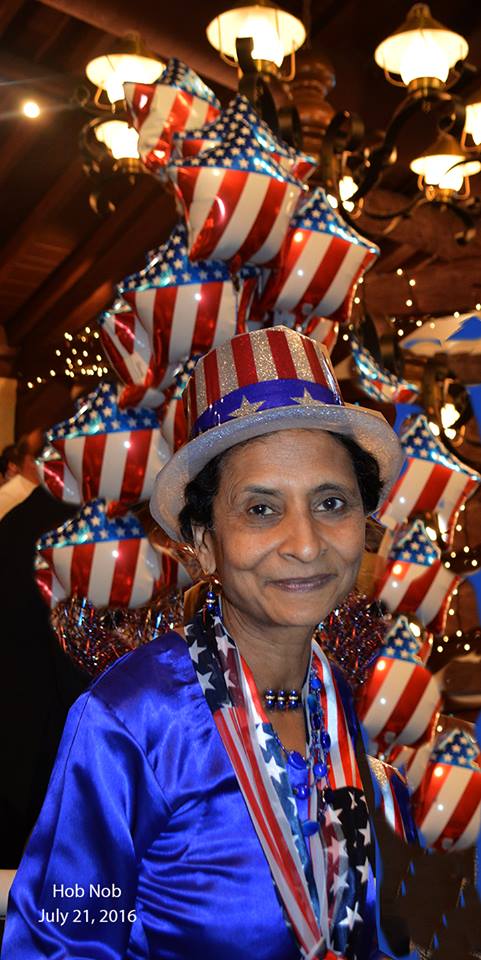
Photo courtesy of Dr. Usha Jain (pictured).

Photo courtesy of Dr. Usha Jain (pictured).

Dr. Usha Jain is a medial doctor and former candidate for Orange County Commission. Dr. Jain seems to have her heart in the right place, but lacks the basic fundamentals of a viable campaign. Her messaging and campaign structure are bare and her ability to raise funds, based off of her filed campaign reports, is less than impressive. Dr. Usha Jain, “I am from India and I’m also Hindu with Jain religion which is purley based on nonviolence and karma. Dr. Jain is a vegetarian and believes in nonviolence and karma.”


ONE TO WATCH: BRUNO PORTILIATTI
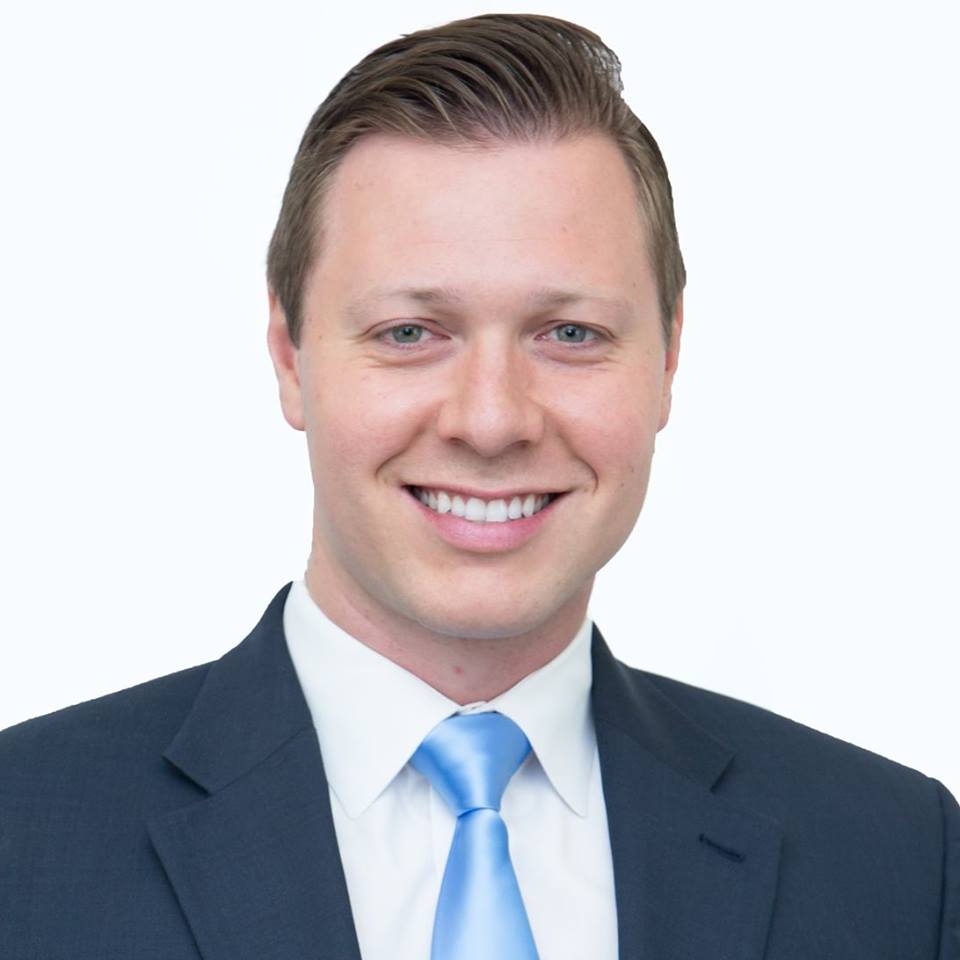
Photo courtesy of Bruno Portiliatti (pictured).

Photo courtesy of Bruno Portiliatti (pictured).

Portiliatti is CEO (Chief Executive Officer) at Excellence ALF. A quick review of his Facebook page suggests that he’s relatively young and newly married. Portiliatti has a professional appeal and produced a well articulated campaign video. With over 16,000 views at the time this article, certainly people are paying attention to this relative newcomer in Orange County politics. He is probably not a contender in this particular race, but he could simply be testing the waters for reaction and a future run in another race.

Now we come to the players in the race, Bobby Olszewski (Bobby O) and John Newstreet. When “Bobby O” entered the race in April it was no surprise. With rumors swirling about the possibility of Eisnaugle being appointed to the appellate court, the political players started aligning themselves to take a run for the anticipated open seat. Let’s quickly recap both contenders and then briefly dive into the waters starting to become a bit murky in the House #44 race.


JOHN NEWSTREET
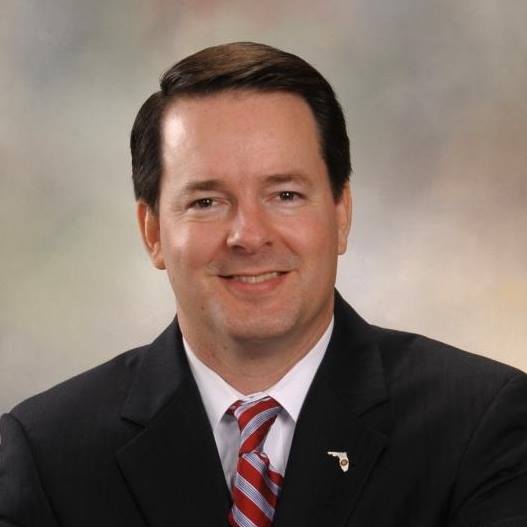
Photo courtesy of John Newstreet (pictured).

Photo courtesy of John Newstreet (pictured).

Who?

When I first heard the name John Newstreet I immediately had to look him up. But my lack of knowledge was quickly shadowed by the deluge of support he garnered almost immediately, raising nearly $80,000 right out of the gate. Newstreet, a military Veteran, comes from a large family that embraced adoption in increasing their family tree. Newstreet recently moved into the district, but has a long history of working behind the scenes in politics, dating back to his days at the University of Central Florida. Additionally, he just received the endorsement of The West Orange Political Alliance.

Photo courtesy of Jacob Engels, founder of Central Florida Post (pictured).

Photo courtesy of Jacob Engels, founder of Central Florida Post (pictured).

Further discussions during my interview with Jacob Engel, founder of the Central Florida Post, suggest Newstreet has far deeper roots than most realize. He also appears to have some heavy-hitting support in Orange County Commissioner Scott Boyd and rumor has it he’s hired well known political consultant John Dowless to lead his campaign. Not shabby for a newcomer. But as we all know, money is nice, but name recognition has substantial value, so don’t be surprised if we start seeing a heavy push by the Newstreet camp to increase his name and brand recognition in West Orange County. In fact, it must be his priority or he’ll fail to be a contender for the seat. No denying he’s certainly off to a great start. His campaign page can be found here.


BOBBY “O” OLSZEWSKI
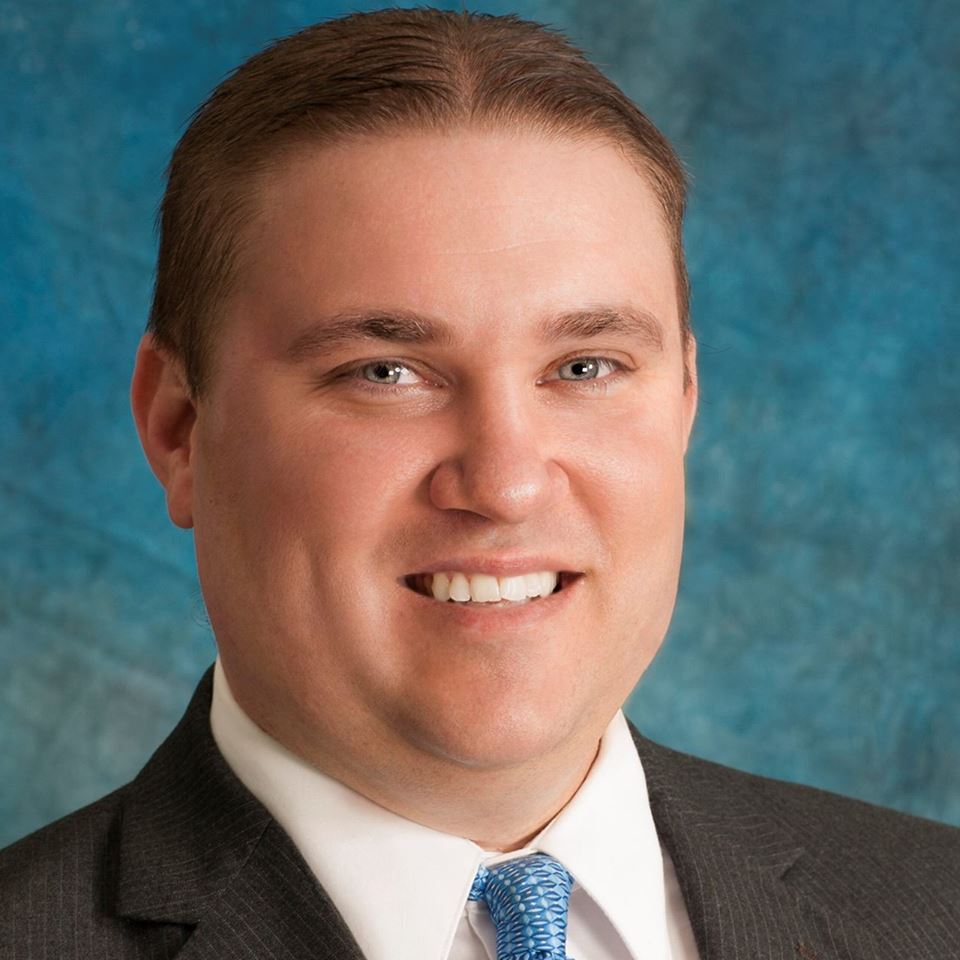
Photo courtesy of Bobby Olszewski (pictured).

Photo courtesy of Bobby Olszewski (pictured).

Olszewski, a new father and well known political stakeholder in West Orange County, is a former Winter Garden Commissioner who resigned to run for Orange County Commissioner in 2016 in a narrow loss to Betsy VanderLey. Olszewski also has a number of well known public figures that have endorsed his candidacy. He is known for a substantial ground game and grassroots approach to campaigning. In recent weeks, however, he has faced harsh criticism for his engagement in what Engels refers to as a “scam to defraud taxpayers.” In its simplest form, it appears Olszewski was involved in the development of a for profit company, via the support of Apopka Mayor Joe Kilsheimer and Florida State Senator Randolph Bracy, that helps felons restore their rights. (More background on this detailed here.) However, I have spoken to Bobby “O” and he adamantly denies any wrongdoing and feels the effort to discredit him is a veiled attempt to help the establishment choice in Newstreet.


NO BROMANCE HERE
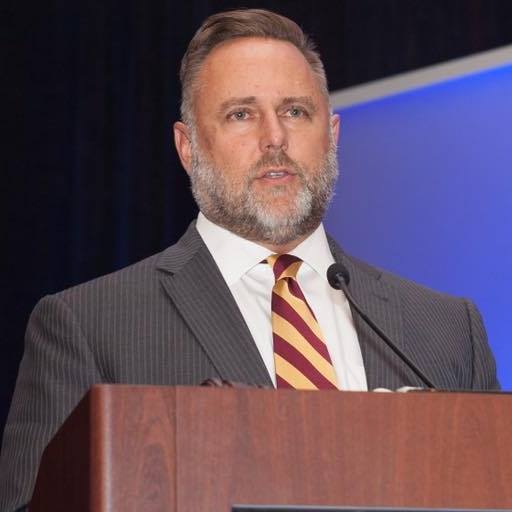
Photo courtesy of Orange County Commissioner Scott Boyd (pictured).

Photo courtesy of Orange County Commissioner Scott Boyd (pictured).

Chiming in on this race is outgoing two-term Orange County Commissioner Scott Boyd. The relatively under-the-radar commissioner has been posting some harsh criticism of Olszewski on his Facebook page.

“The only thing this guy stands for is himself. I personally picked up his slack to the tune of nearly $5,000 for a couple of back to school events he failed to provide for. Now he wants $500,000 of our tax dollars to start a bogus private felony rehab program for a community he couldn’t even pull together a few hundred back packs [for].”

When I first read his Facebook post I had to read it again, as I have rarely seen the Commissioner speak in a negative way. However, this is an ongoing feud between Boyd and Olszewski since Olszewski’s bid to replace Boyd in the Orange County District 1 Commission race.
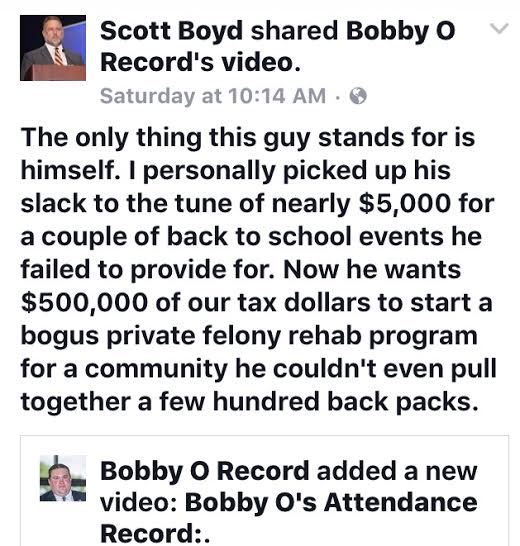
Orange County Commissioner Scott Boyd's post against Bobby Olszewski.

Boyd continued with another post, “Will the former Winter Garden Commissioner and failed Orange County Commission candidate now House District 44 candidate disclose his finance report? In the Orange County Commission election he ran all of the expenses through a personal credit card. Last I checked 1.5 miles in sky miles for every dollar spent would be a nice bonus for the candidate.” Needless to say, there appears to be some bad blood flowing.

So with that challenging optic, can Olszewski win? The answer might very well rest in how he handles the next two months of campaigning as whichever Republican comes out of the primary victoriously will most likely win the State House 44 race and possibly be in line to be the next House Speaker. And folks…that’s power squared.


HOW A SPECIAL ELECTION DIFFERS FROM A TRADITIONAL ONE

It’s important to remember how special elections are different than a traditional election. For example, in a Presidential election cycle, people feel an obligation to make their way to the polls–a patriotic duty, if you will. Even off-year gubernatorial elections draw traditional voters. But a special election is much more personal. Outside of the loyal party base on both sides, since only Democrats or Republicans can vote in a primary (and in this case only Republicans will be voting since there is only one Democrat), votes really are driven by allegiance to a candidate. This is where Olszewski has the upper hand as it’s no secret he has a substantial base of support in West Orange County, having just completed a huge push in 2016 for the County Commission seat. But will the base come out again? Can he hold on to his healthy list of endorsements? Only time will tell.

I’ve failed to find anyone who will deny Bobby “O” is not one of the hardest working politicians in Orange County. He will do the work of knocking on doors and will reintroduce himself to his community bar none. However, you can count on Newstreet, and possibly the other candidates, looking to use Olszewski’s recent perceived missteps on mailers and in social media blasts. One source suggests, “don’t believe a thing he says. He’s a liar.”

Ouch! Well, I only know Olszewski through politics, but he has always been respectful and pleasant. But one thing anyone in politics knows … it’s all about mending fences and building bridges. And this negative imaging, true or not, does require some cleanup work even if Olszewski wins. All in all, it’s Olszewski’s race to lose. He knows how to work the ground game and he knows how to excite his base. But can he put the edgy personality aside long enough to get through the primary? Engels said, “I like Bobby. But he has a big personality that might be a hard pill to swallow for donors and supporters.”

Well, two months is a lifetime in politics and Newstreet, even for No Party Affiliation (NPA) voters and Libertarians I’ve talked with, gets the nod on being the most grounded and articulate in a public forum.

The special election primary is in August followed by the special election October 10th. All candidates are campaigning for a job that pays a whopping $29,697.00 annually–a $30k/year job that, upon election, pretty much requires 24/7 fundraising until the next election; excluding the time that the legislature is in session.

All candidates have met the requirements of being 21 years of age, have lived in Florida for two years and live in the District they intend to serve.

Stay tuned for more follow-up and one-on-one interviews with candidates in this race willing to state their case to the voters.

Here we thought the Orlando City Council District 5 race would be the only dramatic political race to watch. Looks like we now have two reality shows to watch this season. Grab your popcorn everyone…

___________________________________________

Randy Ross is a political reporter for Florida National News | info@floridanationalnews.com

Central Florida News

Orange County Announces $28,200 Public Art Opportunity at Tangelo Park Community Center

Published

on

Artists and artist teams invited to submit qualifications for artwork at the renovated center in Orlando’s historically Black Tangelo Park community

ORLANDO, Fla. (FNN) — The Orange County Public Art Review Board is seeking artists or artist teams to develop artwork for the newly renovated Tangelo Park Community Center, according to a public art call announcing a $28,200 commission budget.

The request for qualifications invites participation from one or more artists or artist teams. Applications must be submitted through CaFÉ by 11:59 p.m. EST on Nov. 4, 2026, according to the announcement.

Art Opportunity in a Historically Black Community

The announcement describes Tangelo Park as a historically Black community with a proud heritage. The artwork will be developed for a community center designed to bring residents of different generations together through social services, recreation and community activities.

The center sits within a midcentury modern neighborhood next to Tangelo Park Elementary School and an adjoining outdoor recreation center.

Renovated Center Expands Community Space

According to the announcement, the renovated community center features a multipurpose meeting space, classrooms, a computer lab and offices. The site also includes an indoor gymnasium, an outdoor pool and solar gazebos available for community use.

The center’s primary purpose is to support county social service programs and recreational activities. Its spaces are also intended to accommodate family programs, community gatherings, art exhibitions, festivals and other events.

The announcement describes the facility as a welcoming extension of home, where individuals and families can gather safely and comfortably.

Application Details

The public art call lists the following information:

  • Project: Tangelo Park Community Center public artwork.
  • Location: Orlando, Florida.
  • Seeking: One or more artists or artist teams.
  • Commission budget: $28,200.
  • Application platform: CaFÉ.
  • Deadline: Nov. 4, 2026, at 11:59 p.m. EST.

Artists interested in the commission should consult the complete CaFÉ listing for submission requirements and additional project details.

Continue Reading

Florida

Republicans for Jolly Launches as GOP Supporters Back Democrat David Jolly for Florida Governor

Published

on

Former Republican gubernatorial candidate Bobby Williams, left, speaks during the launch of Republicans for Jolly at Williams Park in St. Petersburg on Sept. 14, 2026, as Democratic gubernatorial nominee David Jolly looks on. The coalition was formed to organize Republican and independent support for the Jolly-Graham ticket. Photo courtesy: David Jolly for Governor.

Former Republican gubernatorial candidate Bobby Williams joins GOP officials and voters supporting Jolly as the Democratic nominee seeks crossover support ahead of November

ST. PETERSBURG, Fla. (FNN)— A coalition of Florida Republicans supporting Democratic gubernatorial nominee David Jolly launched “Republicans for Jolly” on Monday in St. Petersburg, with former Republican gubernatorial candidate Bobby Williams among those publicly backing Jolly in the 2026 governor’s race.

According to the Jolly campaign, the coalition will work with the Jolly-Graham campaign to organize events, conduct outreach and engage Republicans and independent voters who are willing to cross party lines in the Nov. 3 general election.

The campaign launched the effort under the message “Principles Over Party,” arguing that voters should place governing principles ahead of party affiliation. The coalition has also launched an online organizing effort through the Republicans for Jolly campaign page.

Bobby Williams Backs Jolly

Williams, who sought the Republican nomination for governor earlier this year, appeared at the St. Petersburg announcement and said his support for Jolly was based on the candidate rather than party affiliation.

“My message hasn’t changed; it’s back to ‘We the People’ instead of ‘We the Lobbyists’ and ‘We the Big Corporations,’” Williams said, according to the campaign. “It’s person over party.”

Williams added: “What person is going to best represent Floridians? … We want someone who is going to fight for Floridians.”

The event was held at Williams Park, where Ronald Reagan campaigned during his successful 1980 presidential campaign.

Republican Leaders Join Coalition

The organization is co-chaired by Greg Wilson, who served as a deputy assistant secretary in the U.S. Treasury Department during the Reagan and George H.W. Bush administrations, and George Kruse, a Republican Manatee County commissioner.

“David is a man of character, competency, and ethical values,” Wilson said in the campaign release. “His policy positions pass a common-sense test and are achievable even in a divided state government.”

Kruse said the coalition believes Republicans should consider candidates based on their governing principles rather than solely their party registration.

“In this election, we believe that tested and trusted principles, rooted in local control, affordability, and basic common sense, are on the ballot in Florida,” Kruse said.

Those assessments represent the views of Wilson, Kruse and the coalition supporting Jolly.

Jolly Courts Republicans and Independents

Jolly represented Florida in Congress as a Republican before leaving the GOP and becoming an independent. He later joined the Democratic Party and is now the party’s 2026 nominee for governor.

His previous Republican affiliation has become part of his campaign’s effort to attract voters outside the Democratic Party.

“This campaign has room for all Floridians, regardless of their political background,” Jolly said. “If you want a candidate who will work hard to improve housing, healthcare, and education, and stop data centers, I’d be honored to earn your vote.”

According to Jolly’s campaign, his “principles over party” platform emphasizes local control, private-sector leadership, personal freedom and government intervention in areas where he believes markets are failing to produce adequate results. The campaign identifies housing, property insurance, health care, education and affordability among its major policy areas.

Jolly has described his approach as accepting policy ideas from either side of the political spectrum based on whether he believes they will work, rather than their partisan origins.

Republicans Respond to Jolly’s Crossover Effort

The effort comes as Jolly faces Republican gubernatorial nominee Byron Donalds in the general election.

Republicans have disputed Jolly’s characterization of himself and his agenda. Following the coalition announcement, Donalds campaign communications director Gates McGavick criticized Jolly’s policy positions and characterized his agenda as liberal.

Jolly, meanwhile, rejected several claims being made about his positions by the Donalds campaign during questions following the St. Petersburg announcement.

The competing statements underscore the broader campaign fight over Jolly’s political identity: his campaign is highlighting his Republican background and crossover supporters, while Republican opponents are emphasizing his current affiliation and positions as the Democratic nominee.

Cross-Party Support Emerges on Both Sides

The Republicans for Jolly announcement also comes amid crossover endorsements elsewhere in the governor’s race.

Independent reporting noted that the announcement followed Gainesville City Commissioner Cynthia Chestnut, a Democrat, publicly supporting Donalds, providing an example of cross-party support moving in the opposite direction.

For Jolly, the new coalition creates an organized vehicle for Republican supporters to participate directly in his campaign through voter outreach, events and public testimonials.

“We’re just building a bigger table,” Jolly said during the St. Petersburg event, according to reporting on the announcement.

Continue Reading

Florida

FNN ANALYSIS: After 2024 Defections, Florida Democrats Face 2026 Election Test: Can They Rebuild as Republicans Expand Their Advantage?

Published

on

Wide view of the Florida House of Representatives chamber in Tallahassee with lawmakers seated at their desks during a legislative session.
Members of the Florida House of Representatives conduct legislative business inside the House chamber at the Florida Capitol in Tallahassee. The chamber is at the center of Florida’s changing political landscape as Republicans hold a supermajority and Democrats seek to rebuild their legislative representation ahead of the 2026 general election. Photo: Florida House of Representatives

Republicans built a legislative supermajority through elections before two House Democrats switched parties and the Senate Democratic leader became unaffiliated. Now Democrats are trying to rebuild amid a GOP voter-registration advantage exceeding 1.54 million — and signs that some Republican-held districts remain competitive.

By Florida National News

TALLAHASSEE, Fla. (FNN) — Six years ago, Florida Democrats held enough seats in the state House to prevent Republicans from reaching a two-thirds supermajority.

Today, the political landscape looks dramatically different.

Republicans emerged from the 2020 election with 78 of the Florida House’s 120 seats, two short of the 80 required for a two-thirds majority. Democrats held 42.

By the end of the 2024 election, Republicans had 85 seats and Democrats 35. Then two newly reelected Democratic representatives — Susan Valdés of Tampa and Hillary Cassel of Broward County — switched to the Republican Party, expanding the GOP advantage to 87-33.

Four months later, another high-profile departure came in the Senate. Democratic Leader Jason Pizzo left his party and became unaffiliated.

Those defections attracted significant attention, but they can obscure the larger story of Florida’s political transformation.

Party switching did not create Republican control of Tallahassee. Elections did.

The subsequent defections widened an advantage Republicans had already established at the ballot box.

Now, with the Nov. 3, 2026, general election approaching, Democrats face a more complicated test than simply winning several competitive races. They are attempting to rebuild legislative representation while confronting a Republican voter-registration advantage of more than 1.54 million active voters.

At the same time, Democratic victories in several 2026 legislative contests suggest the statewide numbers do not necessarily determine what happens district by district.

That creates three questions heading into November: Can Democrats win back legislative seats? Can Republicans protect the districts underlying their supermajority? And can both parties retain the lawmakers voters elect under their banners?

From 42 House Democrats to Republican Supermajority

The clearest starting point is 2020.

Republicans won 78 House seats, compared with 42 for Democrats. With 80 seats needed for a two-thirds majority, Democrats retained enough representation to keep Republicans below that threshold.

Former Democratic Reps. Daisy Morales of Orange County and James Bush III of Miami-Dade County were among the lawmakers elected as part of that 42-member Democratic delegation.

The balance changed decisively two years later.

Republicans expanded their House majority to 85 seats in the 2022 election, crossing the two-thirds threshold. The 2024 election again produced an 85-35 Republican advantage.

That chronology is important because it separates two different political developments.

Republicans gained the supermajority through elections. The Democratic defections came afterward.

The distinction also provides a clearer measurement of Democratic decline: from 42 House seats after the 2020 election to 35 after the 2024 election — a net reduction of seven seats before either Valdés or Cassel changed parties.

Two House Democrats Switch Parties

The first post-election departure came quickly.

On Dec. 9, 2024, Valdés announced she was leaving the Democratic Party and joining the Republican Party, just weeks after voters reelected her as a Democrat.

Her switch moved the House from 85 Republicans and 35 Democrats to 86-34.

Less than three weeks later, Cassel followed.

On Dec. 27, Cassel announced she also was leaving the Democratic Party for the GOP.

The House moved to 87 Republicans and 33 Democrats.

Florida Democratic Party Chair Nikki Fried criticized Cassel’s decision at the time while acknowledging the difficult political environment facing Democrats.

The significance went beyond losing two caucus members.

A direct switch from Democrat to Republican changes the partisan margin by two: Democrats lose one seat while Republicans simultaneously gain one.

The two defections therefore transformed an 85-35 House into an 87-33 chamber without another general election being held.

Senate Democratic Leader Becomes Unaffiliated

The next departure was politically significant but fundamentally different.

On April 24, 2025, Pizzo announced he was leaving the Democratic Party while serving as Senate Democratic leader. His voter registration became No Party Affiliation the following day.

He did not become a Republican.

That distinction matters when measuring party switching. Valdés and Cassel directly increased the Republican House caucus. Pizzo’s departure did not add a Republican senator.

It nevertheless cost Democrats a sitting senator and their caucus leader. Sen. Lori Berman subsequently became Senate Democratic leader.

An FNN review of these high-profile departures from 2020 through 2026 therefore identifies three sitting Democratic state lawmakers leaving the party:

Valdés: Democrat → Republican

Cassel: Democrat → Republican

Pizzo: Democrat → No Party Affiliation

FNN’s review did not identify a comparable sitting Republican Florida legislator who switched directly to the Democratic Party during the same period.

But the numbers reinforce the larger point: the movement of individual lawmakers accelerated a political shift that had already occurred through elections.

The Bigger Transformation Is Outside the Capitol

The change in Florida’s voter-registration balance has been even more dramatic than the movement inside the Legislature.

In 2020, Florida reported 5,315,954 active registered Democrats and 5,218,739 Republicans.

Democrats held an advantage of 97,215 voters.

As of July 31, 2026, Florida reported:

Party affiliationActive voters
Republican5,607,836
Democratic4,066,503
No Party Affiliation3,327,656
Minor parties497,679
Total13,499,674

Republicans now lead Democrats by 1,541,333 active registered voters, according to the Florida Division of Elections.

Measured from the Democratic advantage in 2020 to the Republican advantage in July 2026, the Republican-Democratic registration margin shifted by approximately 1.64 million voters.

That is one of the most important numbers for understanding Florida politics entering the 2026 general election.

But it also requires careful interpretation.

A decline in active Democratic registration cannot automatically be described as more than a million Democrats becoming Republicans.

Voter rolls change for multiple reasons, including deaths, people moving into or out of Florida, new registrations, inactive classifications, list maintenance and voters changing party affiliation.

The more defensible conclusion is narrower but still consequential:

Florida moved from a slight Democratic registration advantage in 2020 to a Republican advantage exceeding 1.5 million active voters by mid-2026.

That is a structural change extending far beyond a handful of lawmakers changing parties.

More Than 3.3 Million Voters Belong to Neither Major Party

There is another number that complicates any attempt to translate registration totals directly into election outcomes.

Florida had more than 3.32 million active voters registered with no party affiliation as of July 31.

That electorate is larger than the population of many states.

Those voters do not form a single ideological bloc, and their existence does not erase the GOP registration advantage. But they reinforce why statewide party registration alone cannot determine the outcome of individual legislative races.

Florida legislative elections are decided district by district.

Candidate quality, fundraising, turnout, district boundaries, local demographics, campaign organization and voter enthusiasm can produce outcomes that differ from statewide trends.

That distinction has become especially relevant in 2026.

Democrats Have Shown They Can Still Flip Republican-Held Seats

For Democrats, the strongest counterargument to the state’s broader Republican trend has come from actual election results.

Democrat Emily Gregory flipped House District 87 in a March 2026 special election, defeating Republican Jon Maples.

The result drew attention because Republican Mike Caruso had carried the district by roughly 19 percentage points in 2024.

Democrat Brian Nathan also flipped Senate District 14, defeating Republican Josie Tomkow by just over 400 votes.

Those results demonstrated that at least some Republican-held legislative districts remain competitive under the right electoral conditions.

Florida Democrats have also expanded year-round organizing and made breaking the Republican legislative supermajority a central objective of the 2026 cycle.

But special elections come with an important warning.

They typically involve smaller and sometimes substantially different electorates than November general elections.

Republicans have pointed to House District 35 as evidence of that difference. Democrat Tom Keen won the Orlando-area seat in a January 2024 special election, only for Republicans to reclaim it during the November general election.

The 2026 Democratic flips therefore provide evidence of competitiveness, not proof of a statewide reversal.

November will provide the larger test.

Republicans Have a Structural Advantage — But Still Must Defend It

The challenge facing Republicans is different.

They do not need to rebuild a legislative majority. They already possess one.

They enter the election with a House supermajority and a statewide registration advantage that would have been difficult to envision when Democrats still led voter registration in 2020.

The question is whether those structural advantages continue translating into legislative victories across Florida.

A statewide registration lead does not make every Republican-held district equally secure.

The Gregory and Nathan victories demonstrate that Democrats can still win Republican-held territory, particularly when turnout, candidate performance and district conditions align.

For Republicans, November therefore becomes a test of durability.

Can the party maintain the legislative gains it accumulated over multiple election cycles while defending districts Democrats now view as opportunities?

The Democratic Challenge Is Now Twofold: Win Seats and Keep Them

For Democrats, the experience following the 2024 election introduces another issue that cannot be measured solely on election night.

Political parties invest substantial resources recruiting candidates, raising money, organizing voters and winning legislative seats.

But caucus strength ultimately depends on keeping those lawmakers after they take office.

The Valdés and Cassel switches demonstrated how quickly that calculation can change.

Democrats won 35 House seats in November 2024. Weeks later, they had 33 members because two lawmakers elected as Democrats joined Republicans.

Pizzo’s departure presented a different version of the same organizational problem: Democrats lost their Senate leader even though he did not join the Republican Party.

That creates two separate measurements for Democratic rebuilding:

Electoral growth: Can Democrats increase the number of legislative seats they win?

Caucus stability: Can they retain the lawmakers elected as Democrats?

Winning without retention can limit rebuilding. Retention without winning additional districts leaves the party’s minority position largely unchanged.

Democrats need both if their objective is to reduce Republican legislative dominance.

Former Lawmakers Add Another Dimension to the Rebuilding Debate

The 2026 cycle also raises questions about how a minority party decides where to invest limited political resources.

Morales and Bush were members of the 42-seat Democratic House delegation elected in 2020. Both later left the Legislature and subsequently sought returns through Democratic primaries.

Their races, districts and political circumstances are different and should be evaluated separately.

But their candidacies illustrate a broader strategic issue facing any party attempting to rebuild:

How should resources be divided among defending incumbents, supporting challengers in opposition-held districts, recruiting newcomers and considering former lawmakers seeking a return to office?

There is no single formula.

A former legislator may bring name recognition, fundraising relationships and legislative experience. A newcomer may offer stronger district appeal or represent a changing electorate. An incumbent may require significant resources simply to prevent the party from losing another seat.

The effectiveness of those decisions ultimately can be measured by outcomes.

Does the party gain seats?

Does it protect vulnerable seats?

Does it expand into territory previously controlled by the opposition?

And does it retain the lawmakers it helped elect?

Those questions become particularly important when one party is operating from a substantial numerical disadvantage.

What Has Actually Changed Since 2024?

For Democrats, there are identifiable changes since the immediate aftermath of the 2024 election.

The Florida Democratic Party retained Nikki Fried as chair in 2025, expanded its year-round organizing operation and increased regional staffing ahead of the 2026 cycle.

The party has continued its Take Back Local initiative aimed at municipal and local races while placing greater emphasis on legislative contests.

And Democrats have produced tangible 2026 victories, including Republican-held legislative seats.

Those developments provide evidence of organizational activity and some electoral progress.

They have not, however, erased the larger structural imbalance.

Republicans still hold the legislative supermajority.

Republicans still lead statewide active voter registration by more than 1.54 million.

Democrats still must gain substantially more legislative ground before control of either chamber becomes competitive.

The most accurate description of the Democratic position heading toward November is therefore neither collapse nor comeback.

It is a rebuilding test whose results remain unresolved.

Why It Matters to Florida Voters

The significance extends beyond the internal fortunes of either political party.

A legislative supermajority can affect the balance of power in Tallahassee because it gives the majority party sufficient numbers to take actions that require more than a simple majority.

The size of the minority caucus also affects committee representation, legislative negotiations, the ability to sustain or challenge certain procedural actions and the overall political leverage available to the opposition.

That makes legislative competition relevant even when control of a chamber is not immediately in doubt.

For Democratic voters, 2026 provides a measurable test of whether the party can translate organizing and special-election victories into broader legislative gains.

For Republican voters, it tests whether the political coalition that produced the GOP’s current advantage remains durable in a general election.

For NPA and minor-party voters, it underscores the potential importance of voters outside either major party in competitive districts.

And for Florida voters generally, it provides a way to distinguish political narratives from measurable results.

The Numbers to Watch on Nov. 3

The 2026 general election is scheduled for Nov. 3. Florida’s voter-registration deadline is Oct. 5, with mandatory statewide early voting scheduled for Oct. 24-31.

Rather than judging Florida’s political direction from one race, three measurements will provide a clearer picture.

First: Legislative seats.
Do Democrats finish the election with more House and Senate seats than they entered with, or do Republicans maintain or expand their advantage?

Second: Republican registration advantage versus district results.
Does the GOP’s statewide registration lead translate consistently into legislative victories, or do Democrats continue outperforming the statewide environment in selected districts?

Third: Caucus stability.
After voters choose their lawmakers, do the members remain with the parties under whose banners they were elected?

Together, those measurements will provide a better indication of Florida’s direction than any isolated special election, party switch or registration statistic.

A Six-Year Transformation

The numbers tell the story clearly.

In 2020, Democrats held 42 Florida House seats, and Republicans were two seats short of a supermajority.

Democrats also held a 97,215-voter statewide registration advantage.

By 2024, Republicans had won 85 House seats, already exceeding the supermajority threshold.

Two Democratic defections subsequently increased the Republican House caucus to 87 while reducing Democrats to 33.

And by July 2026, Republicans held a statewide registration advantage of 1,541,333 active voters.

Those developments represent a profound shift in Florida politics.

But elections are snapshots, not permanent guarantees.

Democrats’ 2026 legislative flips show that Republican-held districts can still change hands. Republicans’ statewide numbers show the scale of the challenge Democrats face in turning isolated victories into sustained gains.

That is why Nov. 3 matters.

The central question is no longer simply whether Florida has moved toward Republicans. The electoral and registration numbers already establish that Republicans have gained substantial ground since 2020.

The unanswered question is whether that movement has reached a durable plateau — or whether Democrats have begun rebuilding enough support to reverse some of those losses.

The first meaningful statewide answer comes in November.

NEXT FNN ANALYSIS: Where Is the Money Going?

Election results are only one measure of rebuilding. Political investment is another.

FNN’s next examination should follow the money behind Florida House races: where Democratic political organizations are spending, which candidates receive institutional support, how much is directed toward Democratic primaries and how those expenditures compare with resources devoted to defending Democratic seats or challenging Republican-held districts.

That examination can include the Florida House Democratic Campaign Committee, campaign committees and related political spending while carefully distinguishing verified campaign-finance transactions from allegations or disputed claims involving individual campaigns.

The central question is measurable:

At a time when Democrats say they are trying to break the Republican supermajority, are Democratic political resources being deployed in ways that expand, protect or reduce the party’s representation in the Florida House?

That is a separate story — and one best answered through campaign-finance records rather than political rhetoric.

Continue Reading
Advertisement
Advertisement Ticket Time Machine ad
Advertisement Orlando Regional REALTOR Association logo
Advertisement Parts Pass App
Advertisement Hispanic Chamber of Commerce of Metro Orlando
Advertisement
Advertisement African American Chamber of Commerce of Central Florida
Advertisement FNN News en Español
Advertisement Indian American Chamber of Commerce logo
Advertisement Florida Sports Channel

FNN Newsletter

Trending