

Florida
Puerto Ricans Urge Former State Rep. Daisy Morales to Consider 2026 Run Amid Representation Decline


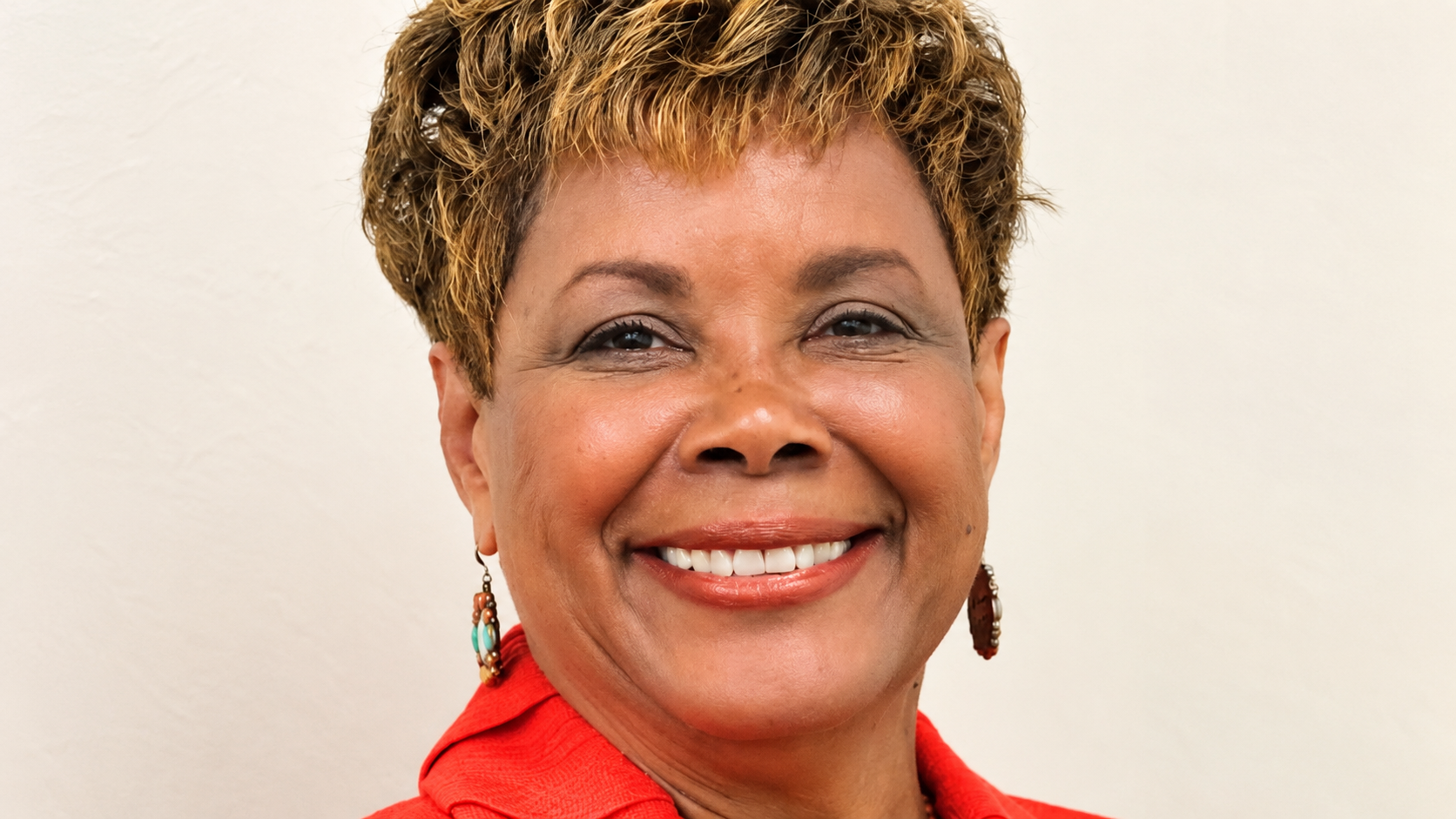
ORLANDO, Fla. — Former Florida State Representative Daisy Morales is receiving growing encouragement from Puerto Rican community leaders, activists, clergy members, and business leaders across Central Florida to enter a 2026 county or state race amid increasing concerns about declining Puerto Rican representation in Florida politics.

Morales, one of the few Puerto Rican women elected to the Florida Legislature from Central Florida, won both the 2020 Democratic Primary and General Election in Florida House District 48. She previously served as Orange County Soil and Water Conservation District Supervisor after winning countywide elections in 2014 and 2018.
Before her legislative service, Morales also spent more than 24 years serving with the U.S. Department of Homeland Security.

Johnna Lopez, former Orange County School Board member, former executive director of the Alianza Center, and candidate for Florida House District 43, joins Samuel Vilchez Santiago, a former 2020 candidate for Florida House District 48, in supporting newcomer Rita Harris in the Florida House District 44 race. (2022)
In 2022, Morales lost her reelection bid following legislative redistricting that divided her former House District 48 into the newly created House Districts 43 and 44. Democrat Rita Harris later won the Democratic Primary and secured reelection in 2024.
During the 2020 Democratic Primary cycle, Morales defeated Venezuelan asylum seeker and political newcomer Samuel Vilchez Santiago despite his support from mass political endorsements and campaign allies. Morales supporters frequently point to her grassroots voter outreach, campaign organization, and strong community network as key factors behind her victory.
The redistricting changes and subsequent election outcomes have sparked ongoing discussions within segments of Central Florida’s Puerto Rican community regarding the future of Puerto Rican representation at the county, state, and congressional levels heading into the 2026 election cycle.

Growing Debate Over Puerto Rican Representation
Community advocates say many Puerto Rican voters are increasingly concerned about the possibility of declining Puerto Rican representation in elected office despite the community’s continued population growth and political influence throughout Central Florida.
Several leaders argue Puerto Rican voters have played a major role in Democratic victories across Orange County and Florida over the last decade while remaining underrepresented in major elected positions.
The debate has intensified as some community members argue the redistricting of Morales’ former district created the potential for expanded Puerto Rican representation in the Legislature, while others believe establishment political support shifted toward non-Puerto Rican candidates.
Those concerns have fueled renewed calls for Morales to consider a return to elected office.

Morales Viewed as Experienced and Electable Candidate
Supporters describe Morales as one of the most experienced Democratic candidates potentially available for county or legislative office in 2026.
Her résumé includes:
- Florida State Representative for District 48
- Orange County Soil and Water Conservation District Supervisor
- More than 24 years of federal government service
- Proven Democratic primary and general election victories
- Countywide campaign experience
- Strong grassroots organizing network
- Bipartisan legislative accomplishments
Political supporters believe Morales would immediately become a top-tier contender in potential races for Orange County Commission Districts 4 or 8, as well as possible Florida House contests in Districts 35, 43, 44, or 47.
Several Democratic activists also believe Morales’ established relationships with veterans organizations, faith leaders, and Hispanic communities would provide a strong political foundation if she decides to run.
Daisy Morales’ Facebook Page
Legislative Accomplishments and State Laws
Supporters also point to Morales’ legislative record in Tallahassee, where she sponsored and co-sponsored multiple bills that ultimately became Florida law.
Among the measures frequently highlighted by supporters are legislation expanding benefits and protections for veterans, military families, homeowners, students, consumers, and working families throughout Florida.
Morales sponsored and supported legislation involving:
- Property tax relief measures
- Veterans and military family protections
- Consumer protection reforms
- Education and workforce initiatives
- Public safety and community programs
- Small business and economic development efforts
Supporters often point to House Bill 13, legislation that increased Florida property tax exemptions from $500 to $5,000 for widows, widowers, blind individuals, and persons who are totally and permanently disabled. The measure became part of a broader tax package signed into law in 2022.
House Bill 45, sponsored by Morales, expanded educational opportunities for disabled veterans in Florida and later became recognized as a national model for supporting veterans pursuing higher education and workforce advancement.
Political allies also highlight Morales’ bipartisan approach in the Legislature, arguing she worked across party lines to advance legislation benefiting everyday Floridians rather than focusing solely on partisan politics.
During her time in office, Morales served on multiple legislative committees and advocated on behalf of veterans, seniors, Puerto Rican families, first responders, small businesses, and underserved communities across Central Florida.
Supporters argue her legislative accomplishments and understanding of the state budget process distinguish her from many first-time candidates expected to enter the 2026 election cycle.
Community Leaders Publicly Encouraging a Campaign
Puerto Rican civic leaders, pastors, business owners, and longtime Democratic organizers have increasingly urged Morales to return to public office.
Supporters say they are seeking experienced leadership capable of building broad coalitions while advocating for working families, economic opportunity, public education, affordable housing, and minority representation.
Some advocates argue Morales’ history of winning competitive elections and serving diverse communities gives her credibility with both grassroots voters and moderate Democrats throughout Central Florida.
2026 Qualifying Deadline Approaching
Florida’s official candidate qualifying period is scheduled from noon June 8 through noon June 12, 2026, ahead of the Aug. 18, 2026 Florida Primary Election.
As the qualifying deadline approaches, political observers expect additional announcements from candidates throughout Orange County and Central Florida, particularly in competitive Democratic primaries where voter turnout and demographic representation are expected to play significant roles.
While Morales has not formally announced plans to seek office, speculation surrounding her political future continues growing as supporters intensify calls for her return to the ballot in 2026.
Morales did not respond to Florida National News requests for comment prior to publication of this article.


Republican defeats Democrat David Jolly following a campaign backed by Black community leaders, including Gainesville Democrat Cynthia Chestnut.
TALLAHASSEE, Fla. (FNN) — Republican U.S. Rep. Byron Donalds won Florida’s governor’s race Tuesday, defeating Democrat David Jolly and becoming the first Black person elected to lead the state. NBC News projected Donalds as the winner of the historic contest.
With 99% of the expected vote counted, Donalds received 4,113,531 votes, or 50.1%, compared with 3,996,073 votes, or 48.7%, for Jolly, according to NBC News Decision Desk results. Donalds led by 117,458 votes, approximately 1.4 percentage points. The election-night totals remained unofficial.
Donalds will succeed term-limited Gov. Ron DeSantis, keeping the governor’s office in Republican hands. His campaign paired conservative policy positions with outreach to Black voters and support from community leaders, including some Democrats.
LIVE from Ft. Lauderdale – Byron Donalds Election Night Watch Party https://t.co/kAF1omsegf
— Byron Donalds (@ByronDonalds) November 4, 2026
A historic first for Florida and the nation
Donalds becomes the first Black Republican elected governor in the United States, according to The Washington Post’s election coverage.
He is not the first Black Republican to serve as a governor. Republican P.B.S. Pinchback assumed Louisiana’s governorship during Reconstruction in 1872, becoming the nation’s first Black governor without winning an election to that office.
Virginia Democrat L. Douglas Wilder became the first Black person popularly elected governor in 1989 and took office in 1990. Donalds’ victory establishes a new milestone for Florida and the Republican Party.
Gainesville City Commissioner Cynthia Moore Chestnut, a longtime public servant whose political career has spanned city, county and state government. Source Cynthia Moore Chestnut
Black leaders’ endorsements preceded historic win
Black elected officials, pastors, business owners and civic leaders became a visible part of Donalds’ campaign.
More than two dozen supporters launched the Florida Coalition of Black Leaders for Donalds to back the congressman and his running mate, Bryan Avila. Its members included sheriffs, lawmakers and educators, reflecting an effort to build support through established community networks.
Gainesville City Commissioner Cynthia Chestnut delivered one of the campaign’s most prominent endorsements across party lines.
Chestnut, a Black Democrat and former state representative, supported Donalds despite disagreements with some of his policies. She said her decision reflected her judgment about Black leadership and frustration with Democrats’ selection of Jolly over Black and Hispanic candidates.
“I want to see a Black governor of Florida in my lifetime,” Chestnut said in a statement reported by WCJB.
Her endorsement drew criticism from Democratic state Sen. LaVon Bracy Davis, who cited Donalds’ voting-rights record and challenged the rationale for supporting him. The dispute highlighted differences among Black leaders over representation, party loyalty and public policy.
Donalds’ victory fulfilled the historic outcome Chestnut sought. However, available election-night reporting does not establish how many votes those endorsements generated or whether they determined the result.
Affordability shaped the campaign
The contest also centered on household expenses, particularly housing and homeowners insurance costs in a hurricane-prone state.
Jolly, a former Republican congressman running as a Democrat, sought to attract voters dissatisfied with rising costs. Donalds emphasized affordability, public safety and educational opportunity while defending continued Republican leadership.
The candidates offered different approaches to large data centers. Jolly supported a moratorium on new hyperscale facilities, pointing to environmental and public-health concerns. Donalds favored local decisions about where facilities should be built and said their operations should not raise residents’ utility bills.
Republican advantages faced a competitive challenge
Jolly faced substantial obstacles, including a Republican voter-registration advantage of roughly 1.5 million and Donalds’ stronger fundraising position.
President Donald Trump campaigned with Donalds during the race’s final days. DeSantis also endorsed him, and Donalds portrayed his candidacy as a continuation of the outgoing governor’s approach.
Despite those advantages, polling indicated a competitive contest. A University of North Florida survey conducted Oct. 12-19 showed Donalds ahead 49% to 47%, a difference within the poll’s margin of error.
From state lawmaker to governor-elect
Donalds served in the Florida House before winning election to Congress in 2020. He subsequently became a nationally recognized conservative voice and Trump ally.
He is scheduled to take office Jan. 5, 2027, with affordability among the central challenges awaiting his administration.
Crimes and Courts
Florida Gambling Crackdown Earns International Award After 14000 Slot Machine Seizures


 Jacksonville4 days ago
Jaguars Continue to Dominate Colts in Duval
 Florida1 day ago
HISTORIC WIN: Byron Donalds elected Florida’s first Black governor
 Central Florida News2 days ago
USF Defeats UAB 30–10, Secures Fourth Consecutive Bowl-Eligible Season
 Central Florida News1 day ago
HISTORYMAKER: Tiffany Moore Russell makes history as first Black woman elected Orange County mayor
 Politics20 hours ago
Voters Give Democrats Congressional Majorities as Affordability and Iran War Shape Trump Rebuke


