Connect with us

Education

Why Purpose-Driven Graduate Scholarships Like McCall MacBain Are Shaping the Future of Leadership

Published

on

Photo Credit: Andrea Piacquadio

A new wave of graduate scholarship programs is reshaping not only who has access to advanced education but also how we define leadership. One of the most promising is the McCall MacBain Scholarship at McGill University. While the program offers full tuition, a generous living stipend, and summer leadership funding, its greatest strength lies in something less tangible: a deep commitment to developing ethical, interdisciplinary, community-driven leaders.

As an educational psychologist and consultant with over two decades of experience working with students, faculty, and learning institutions, this scholarship is a clear reflection of where graduate education needs to go. Programs like McCall MacBain represent a shift from academic performance alone to a more holistic vision of student success—one that blends character, mentorship, and purpose.

These values are not just philosophical; they are backed by research.

A recent study by Gigliotti, Arends, and Waran (2024) at Rutgers University highlights how structured graduate leadership programs increase institutional alignment and prepare students for leadership across higher education. Their work demonstrates that programs built around mentorship, shared institutional values, and reflective practice help students become leaders ready to navigate complex academic environments.

Similarly, Crawford, Lewis, and Kelder (2024) found that students engaged in formal leadership roles—especially those supported through intentional development—exhibit greater self-awareness, empathy, and a more profound sense of community responsibility. These traits are foundational to what many refer to as authentic leadership.

And according to a recent study published in PLOS ONE by Miliotis and colleagues (2025), embedding leadership and career development into graduate curricula can significantly enhance students’ confidence, sense of belonging, and career clarity. In other words, students in these programs don’t just gain skills, they gain vision and voice.

These findings deeply resonate with my dissertation research, Exploring the Learning Experiences of Online First-Generation College Students Participating in Virtual Extracurricular Activities (Henlon, 2025). Participants, many of whom identified as underrepresented or nontraditional students, described feeling more engaged and connected when they had access to peer interaction and meaningful mentorship. The sense of belonging fostered through these interactions was not viewed as a bonus; it was consistently described as a foundational element of their academic persistence and personal growth. Similarly, programs like McCall MacBain intentionally cultivate this kind of connection, reaffirming that belonging is not optional; it is essential.

As institutions worldwide rethink what graduate education should look like, the McCall MacBain provides a compelling model. Its emphasis on leadership potential, community engagement, and mentorship offers a roadmap for transforming the graduate experience—and for developing leaders who are prepared to serve with integrity and vision.

Applications are open now for the 2026 cohort: https://mccallmacbainscholars.org/program

About the Author

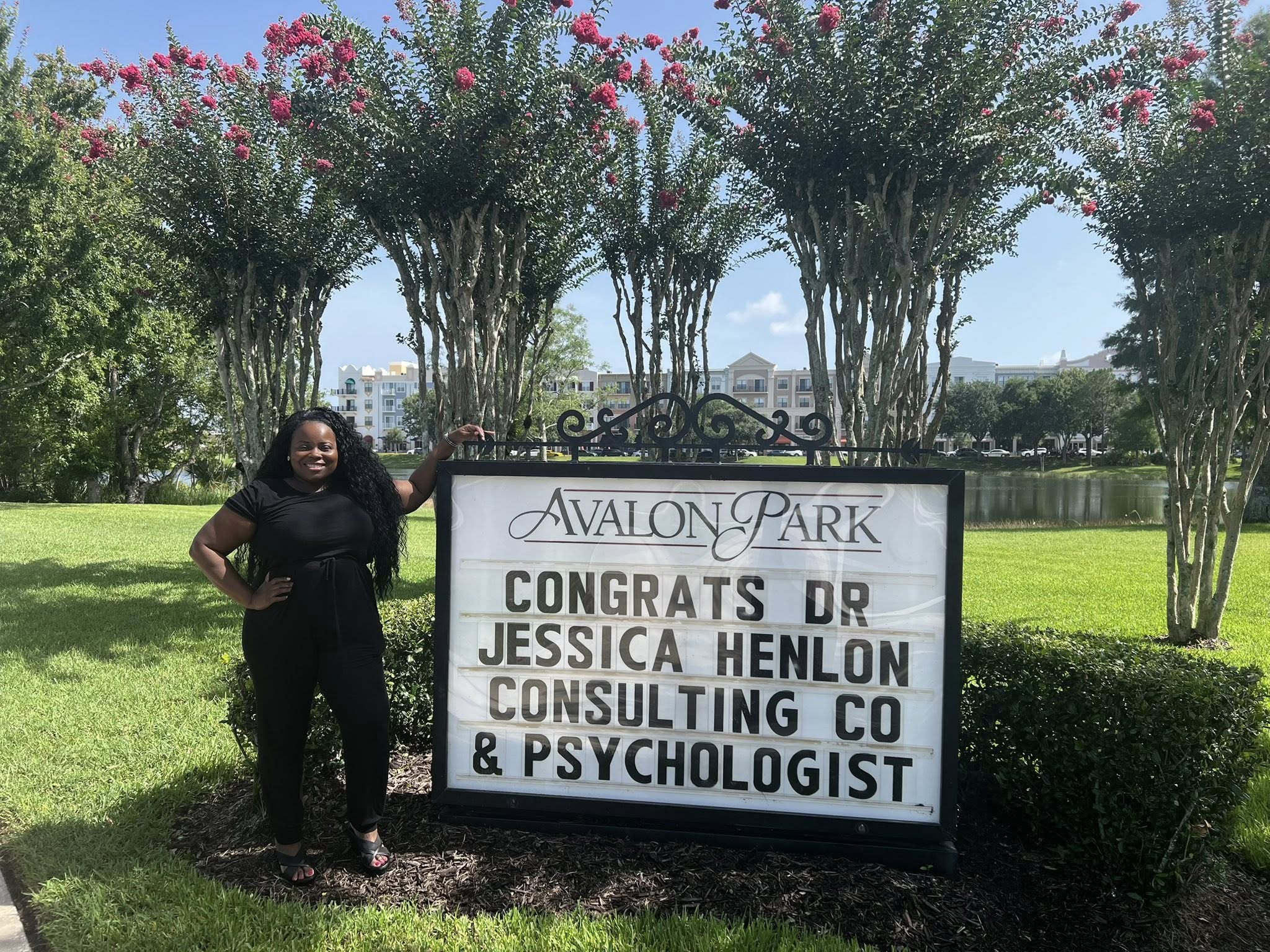
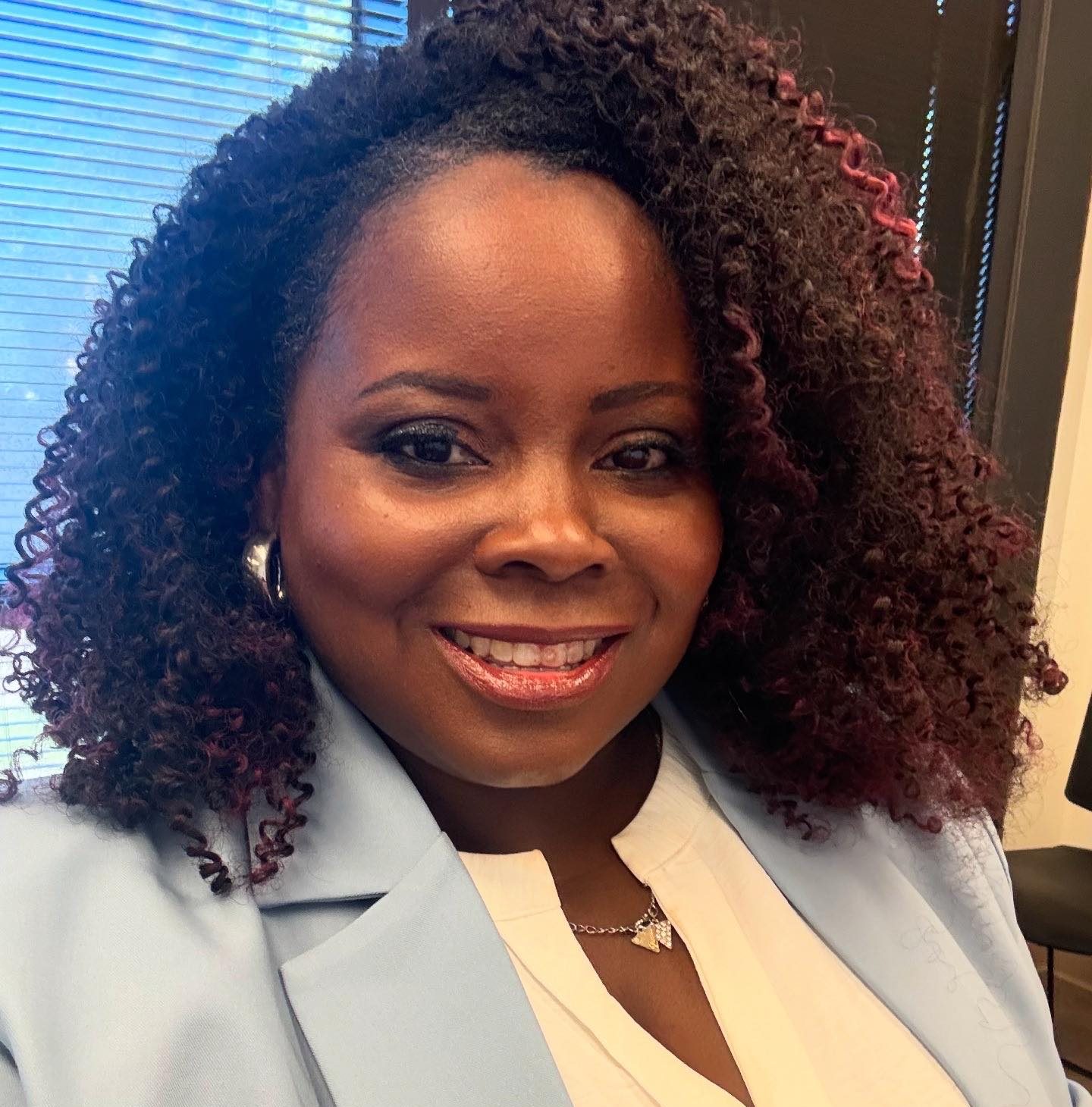
Dr. Jessica Henlon is an educational psychologist, leadership consultant, and speaker with over 25 years of experience in student development, inclusion, and community engagement. Her work focuses on helping universities, nonprofits, and creative professionals develop inclusive systems that promote belonging, purpose, and growth.

She is the founder of Dr. Jessica Henlon Consulting Co., a strategic firm dedicated to empowering emerging leaders through research-based programs, coaching, and educational design.

Learn more at: www.jessicahenlon.com

References

Crawford, J., Lewis, G., & Kelder, J. (2024). Authentic student leadership development: Structural equation model testing differences among student leader populations. Journal of Leadership Education. https://doi.org/10.12806/V21/I4/A4

Gigliotti, R. A., Arends, R., & Waran, V. (2024). Advancing graduate leadership education for institutional alignment. Journal of Leadership Studies, 18(2), 52–58. https://doi.org/10.1002/jls.21901

Henlon, J. (2025). Exploring the learning experiences of online first-generation college students participating in virtual extracurricular activities (Publication No. 32114979) [Doctoral dissertation, Capella University]. ProQuest Dissertations & Theses. https://www.proquest.com/docview/3217854749

Miliotis, M., Stone, H., DePauw, C., & Al-Hamdani, S. (2025). Embedding professional development within the curriculum of graduate programs: A cultural shift for student belonging and career clarity. PLOS ONE, 20(6), e0299805. https://doi.org/10.1371/journal.pone.0299805
________________________________________________________________________

By Jessica Henlon, Ph.D. | Educational Psychologist, Executive Consultant
book.jessicahenlon@gmail.com |www.jessicahenlon.com

Continue Reading
Click to comment

Leave a Reply

Your email address will not be published. Required fields are marked *

Education

Empowering Financial Awareness for College-Bound Students (Part 2: Making College Count)

Published

on

By Dr. Jessica Henlon | Education Contributor for Florida National News

Part 2: Amplifying the Value of Your College Experience

Entering college is an exciting new chapter, but it’s also an investment – of time, effort, and money. After tackling financial aid and making an informed college choice in Part 1, the next step is ensuring you get the greatest return on that investment. This means engaging in your career development, finding mentorship, and pursuing skill-building experiences from day one. These steps not only enhance your résumé but also build your confidence and connections for life after graduation. In this article, we explore how first-generation and online students (indeed, all students) can proactively make the most of college to set up a bright future.

Learning Beyond the Classroom: Start Early on Career Development

Classroom learning is just one part of your college education. Equally important is learning beyond the classroom. This includes internships, part-time jobs, campus leadership, and other hands-on experiences that prepare you for the workforce. Research consistently shows that students who participate in experiential learning reap big benefits. For example, a recent survey by the National Association of Colleges and Employers found that students with a paid internship receive more job offers and higher starting salaries than those without internship experience (Kahn & Patil, 2025). In fact, engaging in at least one work-based learning opportunity during college is linked to better career progress and higher early-career satisfaction (Strada Education Network, 2024).

Unfortunately, not every student has equal access to these opportunities. First-generation college students and those balancing jobs or family responsibilities can find it harder to take on unpaid internships or extra activities (Business-Higher Education Forum, 2024). If you’re in this situation, know that you are not alone, and your college likely has resources to help. Career centers, for instance, exist to connect students with internships, co-ops, and networking events. Many campuses also offer work-study positions or internships that provide flexibility. By starting early (even in your first year) and using these resources, you can secure experiences that make you more competitive and confident.

Consider these steps to jump-start your career development:

  • Visit the career center in your first semester: Get to know the advisors who can help polish your résumé, practice interviews, and alert you to internship postings.

  • Seek out internships or research projects: Even short-term or part-time experiences build skills and help you explore your interests. If an off-campus internship is challenging due to time or travel, look for on-campus jobs or virtual internship programs related to your field.

  • Attend job fairs and networking events: Take advantage of any employer visits, virtual career fairs, or industry panels your college offers. Introduce yourself and ask questions; each conversation can be a learning experience.

By actively pursuing opportunities, you are investing in yourself. Every new connection or skill learned is one more asset for your post-college life.

Mentorship and Networking: Building Your Support System

One of the most empowering steps you can take in college is to find a mentor. A mentor could be a professor, an advisor, a supervisor at work, or an experienced student or alumni in your field. Mentors provide guidance, encouragement, and often open doors to new opportunities. This kind of support is especially valuable if you are a first-generation student who may not have a built-in network of professional contacts. Connecting with mentors and peers helps you build “social capital”, the networks of relationships that can boost your career and personal growth.

Research underscores the power of mentorship. Studies have found that mentored students report greater confidence, clearer goals, and even improved early-career outcomes (Strada Education Network, 2024). In one national survey, college graduates who had a mentor during college were twice as likely to be engaged in their work and thriving in overall well-being after graduation (Gallup, 2014). The message is clear: you don’t have to navigate college (or the job market) alone. Seeking advice is a sign of strength and initiative, not weakness.

How do you find mentors? Start by building relationships with faculty and staff: visit professors’ office hours or talk to your advisor about your interests. Join student organizations or honor societies to meet students in advanced years who can offer tips. Many colleges also have formal mentorship programs, pairing students with alumni or professional volunteers. If you’re studying online, look for virtual mentorship communities or LinkedIn groups in your major. Don’t be afraid to send a polite email to someone whose career path you admire; often, people are happy to share their story or advice. Remember, mentorship is a two-way street built on respect and genuine connection. Come prepared with questions and be open about your goals. Over time, these relationships can blossom into a support system that will continue long after you earn your degree.

Skill-Building Experiences: Invest in Yourself

Beyond grades and classes, employers today are looking for adaptable skills and real-world experience. In a rapidly changing job market, it’s less about your major and more about what you can do. Skills like communication, teamwork, problem-solving, and leadership are often called “soft skills,” but they are crucial competencies that you can hone during college. The good news is that almost every college activity, from volunteering in the community to leading a club or working on a group project, can help build these skills.

Get involved in activities that interest you, whether it’s joining a tech club, writing for the student blog, organizing a community service event, or participating in a hackathon. Such experiences not only enrich your college life but also allow you to practice project management, collaboration, and creative thinking in a low-risk environment. Research shows that students who engage in extracurricular activities often develop better time management and interpersonal skills, and feel a stronger sense of belonging on campus (Kurtović et al., 2021). For first-gen and online learners, these activities can be a game-changer: they provide a sense of community and a break from isolation, which boosts motivation and persistence through challenges.

If you’re worried about stretching yourself too thin, remember that quality matters more than quantity. It’s better to commit to one or two activities that truly excite you than to sign up for everything. Look for “high-impact” experiences like service-learning courses, undergraduate research, or leadership roles in an organization. These tend to yield deeper learning and more significant growth. For example, volunteering for a cause you care about might sharpen your ability to organize events and communicate effectively, while also giving you purpose and stress relief. Likewise, taking on a leadership role, such as serving as a team lead on a class project or an officer in a club, helps you practice decision-making and teaches you to motivate others. Each of these experiences feeds into your personal and professional development, making you more resilient and versatile.

A Call to Action for Your Future

Making college count involves actively shaping your future. By focusing on career development, seeking mentorship, and engaging in skill-building experiences, you take ownership of your journey. This proactive mindset will pay dividends long after graduation. You’ll leave college not only with knowledge in your field, but also with a network of supporters, a portfolio of experiences, and the confidence to navigate the professional world.

_____________________________________________________________________________________________________

About the Author: Dr. Jessica Henlon holds a Ph.D. in Psychology with a specialization in Education. She is an Education Contributor for Florida National News. Dr. Henlon can be reached at Education@FloridaNationalNews.com or book.jessicahenlon@gmail.com.

Continue Reading

Education

Empowering Financial Awareness for College-Bound Students

Published

on

By Dr. Jessica Henlon | Education Contributor for Florida National News

Part 1: Navigating FAFSA Season and Financial Decision-Making

Every year, mid-October marks the height of FAFSA season, a time when college-bound students and their families tackle the Free Application for Federal Student Aid (FAFSA) in hopes of securing financial assistance. This process often brings a mix of excitement and anxiety, and for many, applying for aid is an emotional journey. Students may feel overwhelmed by the complexity of forms and the weight of financial decisions that could shape their college opportunities.

This first article in our two-part series addresses the emotional and practical challenges of FAFSA season. It highlights how building financial awareness empowers students in choosing a college and planning for the future. We explore tools like the U.S. Department of Education’s College Scorecard, the importance of understanding student loans and repayment, and the mental health aspects of taking on debt.

The Emotions and Challenges of FAFSA Season

Filling out the FAFSA can be both practically challenging and emotionally charged. Students must gather tax documents, understand financial jargon, and meet deadlines, tasks that can be especially daunting for those without prior guidance, a situation common among first-generation college students (The Education Trust, 2024). Emotionally, there is a lot at stake. Students know that financial aid outcomes may determine where, or if, they can afford to go to college.

Stress, confusion, and fear of making mistakes are common feelings during this process. Recent reports describe “tremendous mental health strain” among students awaiting financial aid letters (The Education Trust, 2024). One study found that words like “uncertainty,” “confusion,” “anxiety,” and “fatigue” frequently appeared in student conversations about financial aid (Sinha et al., 2023). An essential first step is to acknowledge these feelings as valid. Feeling nervous means you care about your future.

Students are not alone. Counselors, teachers, and online resources are available to guide them through the FAFSA. By taking the process one step at a time and asking for help when needed, students can turn this stressful season into an empowering experience.

Financial Awareness as Part of the College Decision

Financial awareness is a key component of thoughtful college decision-making. While it is easy to focus on rankings or campus life, understanding the financial fit of a college is just as important as the academic fit. That includes looking beyond sticker prices to consider net costs, projected borrowing, and long-term affordability.

Students from all backgrounds, and especially those from lower-income or first-generation families, benefit from early conversations about college costs and budgeting (BestColleges, 2023). Many young adults later wish they had learned more about loans and financial planning before starting college. A study of student social media posts found common expressions of regret, such as “I should’ve learned about budgeting,” with many reporting they did not fully understand the debt they were taking on (University of Georgia, 2023).

One practical strategy is to compare aid packages and calculate the net cost of attendance. If College A offers more scholarships than College B, it may be more affordable overall, even if its tuition is higher. Students can ask: “Which college gives me the education I want with the least financial burden?” Framing the decision in this way gives students agency and helps ensure that their college experience is both enriching and sustainable.

Using the College Scorecard for Informed Choices

To make informed comparisons, students can turn to the U.S. Department of Education’s College Scorecard (https://collegescorecard.ed.gov). This free tool offers data on tuition, financial aid, graduation rates, average debt, and post-college earnings (Institute for Higher Education Policy [IHEP], 2023). Rather than relying on marketing materials or reputation alone, families can use real figures to guide decision-making.

For example, the Scorecard shows the average annual cost by income level, typical loan repayment success, and median earnings for graduates in different fields (IHEP, 2023). This information helps clarify the return on investment: Do graduates of this program earn enough to manage their debt? Are students likely to graduate and find stable employment?

By using the Scorecard, students might discover that one school has a higher graduation rate or that a particular major leads to more substantial earnings. Numbers are not everything, but they can help reduce uncertainty. Financial awareness is not about being overly money-focused; it is about protecting one’s future well-being. Using the Scorecard alongside academic fit and personal preferences helps students make decisions with complete confidence.

Student Loan Borrowing: Plan Before You Borrow

Many students borrow for college. The goal is not to avoid loans at all costs, but to use them intentionally. Federal student loans have flexible repayment plans and safety nets for low-income graduates (Bergland, 2023). Still, borrowing only what is needed and understanding the basics, like projected payments and career earnings, can reduce financial stress later.

Most undergraduates borrow modest amounts, with typical federal student loan balances ranging from $20,000 to $25,000 (Board of Governors of the Federal Reserve System, 2025). While six-figure balances tend to dominate headlines, they are rare among undergraduate borrowers (Hanson, 2024). Financial aid advisors and loan calculators can help students create realistic repayment strategies based on expected salaries. A thoughtful approach to borrowing supports both educational and emotional well-being.

The Emotional Burden of Debt: Mental Health Matters

Financial decisions also carry psychological weight. Studies show clear links between student debt and increased anxiety, depression, and cognitive stress (Walsemann et al., 2015; Bergland, 2023). These effects are especially pronounced among underserved or first-generation students, who may feel additional pressure or lack support systems (The Education Trust, 2023).

Acknowledging the emotional dimension of debt is essential. Colleges increasingly offer financial wellness workshops, counseling services, and mentorship programs that address both fiscal and mental health needs. Seeking help is a sign of strength. Education should empower, not overwhelm—and maintaining mental well-being is part of making the most of the college experience.

National Trends in Student Loans and Repayment

Understanding national patterns helps students place their personal finances in context. As of mid-2025, Americans owe approximately $1.8 trillion in student loans, but the majority of borrowers owe less than $25,000 (Education Data Initiative, 2025; Board of Governors of the Federal Reserve System, 2025). Repayment often extends beyond 10 years, especially for those using income-driven plans or returning to school.

Despite these long timelines, many borrowers successfully manage their payments. Federal policies such as the SAVE Plan offer income-based payment caps to support financial stability (Bergland, 2023). Students who complete their degrees and stay informed about repayment options tend to experience better outcomes.

Conclusion: A Call to Thoughtful Action

Financial awareness is not about fear; it is about empowerment. For college-bound students, developing a plan for paying for school is an investment in peace of mind. By approaching FAFSA season with curiosity, self-advocacy, and informed support, students can make decisions that serve both their academic dreams and their long-term well-being.

Part 2 of this series will explore how to make the most of college through career development, mentorship, and skill-building experiences that amplify the return on educational investment. Until then, students are encouraged to keep asking questions, seeking support, and remembering that taking ownership of their financial journey is a powerful form of self-leadership.

__________________________________________________________________________________________________

About the Author: Dr. Jessica Henlon holds a Ph.D. in Psychology with a specialization in Education. She is an Education Contributor for Florida National News. Dr. Henlon can be reached at Education@FloridaNationalNews.com or book.jessicahenlon@gmail.com.

Continue Reading

Education

The Power of Positive Self-Talk: Moving Beyond Imposter Syndrome

Published

on

By Dr. Jessica Henlon | Education Contributor for Florida National News

“I learned to love myself unconditionally because I am a queen.”
“My worth is not determined by the price of my clothes.”
“When I look in the mirror, and the only one there is me, every freckle on my face is where it’s supposed to be, and I know my creator didn’t make any mistakes on me.”

These lyrics from India Arie’s Video played through my car speakers one morning, and I felt both gratitude and conviction. They reminded me that in a world constantly measuring us against impossible standards, self-worth must be cultivated from within. For students, professionals, and leaders alike, the ability to speak affirmations over ourselves is not simply an exercise in positivity. It is a practice that protects against the quiet yet powerful force of imposter syndrome.


Understanding Imposter Syndrome

Imposter syndrome, also known as the “impostor phenomenon,” occurs when capable individuals doubt their competence and fear being exposed as frauds, despite evidence of success (Clance & Imes, 1978). It is prevalent among students, women in leadership, and professionals transitioning into new roles. Recent reviews confirm that racially and ethnically minoritized individuals often experience imposter feelings at higher levels, given systemic inequities and cultural barriers that can compound self-doubt (Cokley et al., 2024).

Imposter syndrome goes beyond a fleeting feeling; it is tied to perfectionism, anxiety, and diminished self-efficacy. Pákozdy et al. (2023) found that university students experiencing higher levels of imposter phenomenon also reported lower happiness and weaker beliefs in their ability to succeed. This matters because self-efficacy is a cornerstone of persistence in both education and career development (Bandura, 1986; Sun et al., 2025).

The Role of Positive Self-Talk and Affirmations

If imposter syndrome tears at self-belief, positive self-talk stitches it back together. Affirmations are more than inspirational words; they are grounded in neuroscience. Kim et al. (2021) found that positive self-talk during cognitive tasks altered brain connectivity in ways that improved focus and performance. Similarly, self-affirmation activates brain systems tied to reward and self-related processing (Cascio et al., 2016). These findings align with meta-analytic evidence showing that self-affirmation interventions in education improve resilience and performance (Escobar-Soler et al., 2024).

What we say to ourselves matters. Internal dialogue shapes our motivation, our identity, and even our physiological stress responses. In professional settings, leaders who engage in affirmations are more likely to embody authenticity and confidence, creating environments where others feel empowered to do the same.

Lessons from Education and Leadership

In healthcare education, interventions addressing the imposter phenomenon, such as reflection groups, mentorship, and affirmation practices, have improved students’ well-being and normalized asking for help (Siddiqui et al., 2024). A comprehensive review across medical undergraduates and professionals further confirmed that imposter syndrome feelings directly impact well-being, yet targeted support can significantly reduce their adverse effects (Chua et al., 2025).

My research on first-generation college students found similar themes (Henlon, 2025). Participants described how virtual extracurricular activities provided affirming spaces where they could test their leadership skills, hear encouragement from peers, and reframe self-doubt into persistence. They consistently described these experiences as critical to their motivation and success. In other words, belonging and affirmation were not optional supports. They were essential.

Moving Boldly and Standing Firm

India Arie’s song is more than music. It is a declaration that self-worth is not external, but deeply rooted in identity, resilience, and purpose. Positive self-talk is how we reinforce our worth when life tests us. For students and professionals navigating unfamiliar territory, affirmation can be the difference between retreating and moving boldly forward.

Call to Action

For individuals: Practice affirmations daily. Remind yourself, “I am capable, I am prepared, and I belong in this space.” Small shifts in internal dialogue can dismantle years of negative self-talk.

For institutions: Build cultures that affirm and support. Create mentorship systems, normalize discussions about imposter syndrome, and integrate affirmations into leadership and wellness programming.

For communities: Celebrate authenticity. When we honor one another’s unique paths, we replace comparison with collaboration and imposter feelings with inspiration.

“Go on and love yourself, ‘cause everything’s gonna be all right.” – India Arie

______________________________________________________________________________

About the Author: Dr. Jessica Henlon holds a Ph.D. in Psychology with a specialization in Education. She is an Education Contributor for Florida National News. Dr. Henlon can be reached at Education@FloridaNationalNews.com or book.jessicahenlon@gmail.com.

Continue Reading
Advertisement
Advertisement Ticket Time Machine ad
Advertisement Orlando Regional REALTOR Association logo
Advertisement Parts Pass App
Advertisement Hispanic Chamber of Commerce of Metro Orlando
Advertisement
Advertisement African American Chamber of Commerce of Central Florida
Advertisement FNN News en Español
Advertisement Indian American Chamber of Commerce logo
Advertisement Florida Sports Channel

FNN Newsletter

Trending