Connect with us

Education

Education head DeVos: Polarizing but enduring Cabinet member

Published

on

When President Donald Trump visits a school, it’s usually for a campaign rally, not a classroom tour. At his latest State of the Union address, he mentioned education just once. On Twitter, he has used the word “education” six times while in office, compared with 500 uses of the word “border.”

Education, it’s safe to say, is not his top priority.

Instead, Trump entrusts that realm to Education Secretary Betsy DeVos, who after two years has emerged as one of the most polarizing figures in his Cabinet yet also one of its most enduring members. While chiefs of a dozen other agencies have quit or been fired, DeVos has survived and shows no intention of leaving.

“Just because she’s been a lightning rod and been engaged in controversy doesn’t mean she’s not doing her job,” said Sen. Lamar Alexander, R-Tenn., chairman of the Senate Health, Education, Labor and Pensions Committee. “She’s come and she has stayed, which is more than you can say about some others in the Cabinet.”

Among DeVos’ supporters, there’s a belief that Trump’s distance from education is a blessing. While the White House focuses on issues such as immigration and the economy, DeVos has been free to continue her push for school choice, the topic that drew her into education and fueled her more than 30 years of advocacy.

In return, Trump gets an education leader who appeals both to school choice supporters and to evangelical Christians. DeVos, 61, who was raised in the Christian Reformed Church, is known for her devout faith and often weaves religion into her education speeches.

Despite her distance from Trump, she has a longtime friendship with Vice President Mike Pence, and has built other alliances across the administration, her aides say, including with Ivanka Trump, the president’s daughter and adviser, and her husband, Jared Kushner.

It also helps that, in a Cabinet plagued by scandal, DeVos has kept a clean ethical record. Unlike several of her peers who have faced inquiries over lavish travel taken at taxpayer expense, DeVos travels in a family plane and covers the cost herself. Every year, she distributes her $200,000 salary among different charities.

“Lots of people disagree with her, but not because she’s done the wrong thing,” said Nathan Bailey, her chief of staff. “She’s probably the person of the deepest personal integrity I’ve ever met in my life.”

DeVos has shied away from media attention, and her staff said she was unavailable to be interviewed for this story. She is scheduled to speak Monday to education journalists, her first appearance at a conference that has been a regular stopping point for her predecessors.

For an education secretary, DeVos has attracted a remarkable amount of vitriol. She’s reviled by teachers unions, who oppose her school choice policies and call her an enemy to public schools. She’s a common political target for Democrats, who have vilified her in campaign ads from Michigan to Texas.

Detractors portray her as an aloof billionaire with a poor grasp of education policy, an image that hasn’t been helped by occasional public gaffes.

At her 2017 confirmation hearing, for example, she appeared confused when asked about a federal law protecting students with disabilities. Later she was mocked after suggesting some schools might need guns for protection against grizzly bears.

Her aides say DeVos continues to receive support from Trump and has a good relationship with him. But behind the scenes, occasional conflicts with the White House have bubbled into public view, including during a March dispute over funding for the Special Olympics.

In private meetings, DeVos had objected to an administration proposal to eliminate money for the Special Olympics, a group she supports. But when the cut was kept in place in Trump’s 2020 budget proposal, DeVos fell in line and defended it in public, even though it drew intense criticism from Democrats.

As public outcry grew, however, Trump changed course and restored the money, saying, “I have overridden my people.” To some on Capitol Hill, it sounded like Trump was throwing DeVos under the bus even after she loyally defended a White House proposal.

“The president didn’t do her any favors by changing his mind on his own budget when the iron got hot,” said Alexander, education secretary in the early 1990s. “It’s not her budget, it’s the president’s budget, and everyone in the room knew it was never going to be adopted.”

DeVos aides say she didn’t take it as a slight. But at a Washington event the next day, when asked if she was glad to be secretary, DeVos said yes — “most days I am.”

Other conflicts with the White House have stayed quieter. DeVos disagreed with the administration’s early decision to revoke Obama-era guidance protecting transgender students, for example, and a recent executive order from Trump upholding free speech on college campuses. DeVos had previously spoken against a federal response to free speech disputes but stayed quiet on the issue when Trump issued his order.

Some who know DeVos are confounded by her persistence. She doesn’t need the money. She has no dream of higher office, they say. She could easily pack up and return to the comfort of her home.

“I have wondered why in the world she keeps doing this,” said Rev. Robert Sirico, a family friend and president of the conservative Acton Institute think tank. “It’s not for personal gain. It’s certainly not for personal aggrandizement.”

The answer he arrives at: “She believes the truth of what she professes,” he said. “It’s because she thinks this is going to benefit the kids in American schools.”

At times, rumors have swirled that DeVos would quit. As recently as November, after Democrats won control of the House, even some conservatives expected her to step down. But she dismissed the rumors, and if anything she has ramped up her work since then.

She recently started touring the country to promote her new school choice initiative, a proposed tax credit to support scholarships sending students to private schools and other education options. It’s meant to be a more politically viable option than her past school choice plans, which failed to gain traction even in her own party.

Win or lose, supporters say she has succeeded in widening the conversation about school choice, and has encouraged more states to consider it.

“I didn’t expect her to be anyplace further than she is right now,” said Rep. Tim Walberg, R-Mich., a friend of DeVos. “But she has put the dialogue out there, and it is causing us to talk about things that haven’t been on the docket for a number of years.”

Democrats, though, say DeVos is taking the country in the wrong direction. Her new plan has drawn wide pushback from Democrats, including Rep. Bobby Scott, D-Va., chairman of the House Education and Labor Committee.

“Her focus has been on voucher programs and school choice,” he said. “I think the focus ought to be on students being educated in public schools.”

Two other Democrats recently called on DeVos to resign, saying she has endangered students by rolling back Obama-era guidelines protecting transgender students, racial minorities and students who were cheated by for-profit colleges. Rep. Mark Pocan, D-Wis., wrote that DeVos should quit “before her actions wreak even more havoc than has already occurred.”

Her aides say she isn’t going anywhere.

“She doesn’t need this job, and I think that actually gives her some liberty to stay focused,” said Bailey, her chief of staff. “The noise that tends to distract and bog down people who are more focused on the politics of things, it doesn’t get to her.”

Continue Reading
Click to comment

Leave a Reply

Your email address will not be published. Required fields are marked *

Education

Mentorship Is the Best Superpower: Lessons from the NFL’s “Champion” Super Bowl Ad

Published

on

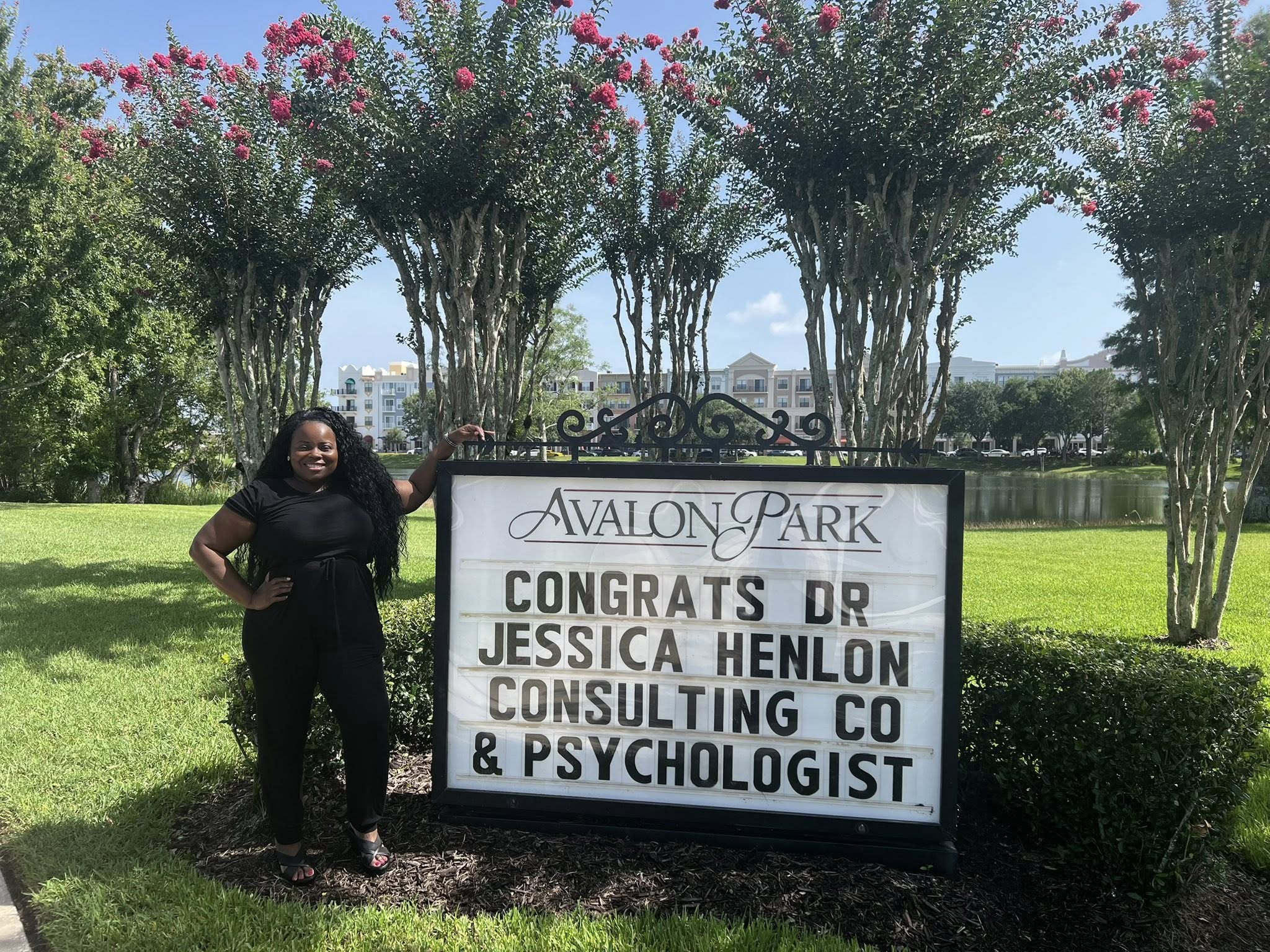
By Dr. Jessica Henlon | Education Contributor for Florida National News

A Super Bowl Spotlight on Mentorship

During Super Bowl LX in 2026, the National Football League (NFL) aired a powerful 60-second commercial titled Champion, a heartwarming tribute to youth coaches and the lasting power of mentorship (National Football League [NFL], 2026). The spot, created by agency 72andSunny LA, features a young boy giving a fiery pep talk to an audience of superhero action figures. Spider-Man, Optimus Prime, and The Thing line up as his “team.” What makes the scene especially moving is that the boy is mimicking a real locker-room speech delivered by his coach. As his voice builds to a crescendo, he repeats the words, “I am a champion,” a message first given to him by his mentor. The ad closes with the line, “Belief is a superpower. Thank you, coaches.”

Zach Hilder, Chief Creative Officer at 72andSunny, explained, “For so many kids, volunteer coaches are the first people outside their family who truly believe in them. They teach you how to push through doubt, how to trust yourself, how to keep going when things get hard” (Conway, 2026). The message is clear: coaching and mentorship matter far beyond the game.

Social Learning in Real Time

Psychologist Albert Bandura’s Social Learning Theory offers a framework for understanding the ad’s message. Children often learn behaviors by observing and modeling the actions of trusted adults (Bandura, 1977). In Champion, the boy’s reenactment of his coach’s speech is a vivid example of observational learning. He does not just hear the words; he internalizes them, replays them, and applies them to his own context.

Bandura (1997) emphasized self-efficacy, one’s belief in their ability to succeed, as a vital piece of motivation and behavior. When the NFL proclaims that “belief is a superpower,” it aligns with this concept. Research shows that youth with strong self-efficacy are more likely to persevere through challenges and achieve personal goals (Tsang et al., 2012). In the ad, that belief begins with a coach who sees something in a child and says so out loud.

Mentors Spark Motivation

The ad’s message resonates beyond the football field. NFL Chief Marketing Officer Tim Ellis noted, “Great coaches don’t just build better athletes… they help inspire and build better human beings… When kids are seen, recognized, and believed in, it’s a superpower” (Fisher, 2026). The child’s affirmation, “I am a champion,” reflects what psychology calls internalized expectation. When youth absorb belief from a mentor, they are more likely to adopt those beliefs as their own (Bandura, 1997).

Recent studies affirm this dynamic. Lee et al. (2022) found that adolescents with high-quality mentoring relationships showed significantly greater self-efficacy than peers with weaker mentor bonds. Notably, younger students experienced the strongest gains in confidence. The study emphasized that early mentorship, especially for low-income youth, can powerfully boost students’ belief in themselves and their potential.

In youth sports, coach-athlete relationships have also been shown to increase confidence, motivation, and academic performance (Gould & Carson, 2008). When a trusted adult believes in a child’s capacity to succeed, it strengthens that child’s own belief system, which in turn supports resilience and goal pursuit.

Research Confirms: Mentorship Lasts

The benefits of mentorship are not temporary. A 30-year longitudinal study from Big Brothers Big Sisters of America found that mentored children were more likely to attend college and earn higher wages later in life (Bell & Petkova, 2024). Mentorship, whether from a coach, teacher, or community leader, was described as one of the most cost-effective strategies for improving educational and economic outcomes.

A recent study by Schenk et al. (2025) found that regular support from university student mentors significantly enhanced secondary school students’ autonomous motivation and engagement. Mentees reported feeling more inspired and capable of reaching their goals, attributing this to the encouragement and role modeling they received, findings that align closely with Self-Determination Theory (Deci & Ryan, 1985; Ryan & Deci, 2000).

Beyond the Field

While Champion celebrates sports mentorship, the concept applies across domains. In my doctoral research on first-generation college students in online programs, participants consistently emphasized the role of mentors and supportive peer communities in boosting motivation and a sense of belonging (Henlon, 2025). One student shared, “Seeing someone like me succeed made me believe I could finish.” That belief, planted by a mentor or role model, is powerful.

Bandura (1977) described this as vicarious experience. When young people see others like them succeed, they begin to believe they can too. This holds true in classrooms, community programs, and on football fields.

A Call to Action

The NFL’s ad is more than a thank-you. It is a call to recognize the mentors who helped us, and to become one for someone else. Who believed in you when you needed it most? If you can, thank them. And then ask yourself how you can pass that belief on. Whether you volunteer as a mentor, coach, tutor, or simply offer encouragement to a young person in your life, your words may echo long after you say them.

As the NFL reminds us, belief is a superpower. The mentors who pass it on are the real champions.

About the Author: Dr. Jessica Henlon holds a Ph.D. in Psychology with a specialization in Education. She is an Education Contributor for Florida National News. Dr. Henlon can be reached at Education@FloridaNationalNews.com or book.jessicahenlon@gmail.com.

Continue Reading

Central Florida News

Lift Orlando and Valencia College Launch Free-Tuition Scholarship for Jones High Graduates

Published

on

By Dr. Jessica Henlon | Education Contributor for Florida National News

On January 7, 2026, Valencia College and Lift Orlando announced the launch of the Lift Scholars program, offering full tuition and fee coverage at Valencia for every graduate of Jones High School’s Class of 2026 through 2029. Whether pursuing an associate degree or short-term technical certificate, students will now have the opportunity to earn credentials without the burden of tuition.

Lift Orlando CEO Eddy Moratin called the initiative a commitment to removing obstacles: “Cost should never stand in the way of a student’s future” (Valencia College, 2026). Valencia President, Dr. Kathleen Plinske, noted that the program builds on the success of Osceola County’s Prosper initiative and affirmed that “the lives of hundreds of Jones students and their families will be transformed by today’s news” (Valencia College, 2026). Orange County Public Schools (OCPS) Superintendent Dr. Maria Vazquez described the scholarship as “an extraordinary gift” that “opens doors” for students who might have otherwise seen college as out of reach (Valencia College, 2026).

The announcement was met with tears, cheers, and celebration. Perhaps no moment captured the joy more vividly than when OCPS District 5 Board member and Jones High alumna Vicki-Elaine Felder took the mic, pointing to students proclaiming: “You get a scholarship, and you get a scholarship!” On social media, she shared her pride with fellow alumni, calling the news a “wonderful opportunity for my Alma Mater JHS🧡💚🐅🎉🥳🙌🏾.”


Building on Proven Promise Programs

The Lift Scholars model joins a national movement of place-based Promise scholarships. Since Michigan’s Kalamazoo Promise launched in 2005, more than 400 similar programs have emerged nationwide. These scholarships have shown powerful results: Bartik et al. (2021) found recipients were significantly more likely to enroll in and complete college compared to similar students without aid.

Closer to home, Osceola County’s Prosper program has enrolled over 10,000 students since its launch in 2022 and helped more than 1,100 earn associate degrees through Valencia (Mead, 2025). The initiative raised Osceola’s college-going rate from one of Florida’s lowest to among its highest, a compelling model for Lift Scholars’ potential (Valencia College, 2026).

Cost Is Still the Biggest Barrier

Research consistently affirms that financial strain is the top barrier to college enrollment. A Gallup–Lumina Foundation survey found that 85% of adults who never enrolled or who left college early cited tuition and fees as a major factor (Carrasco, 2024). Removing those costs measurably boosts participation.

Even modest scholarship programs have demonstrated impact. A multi-state study by Mayer et al. (2015) showed that performance-based aid increased both persistence and five-year graduation rates. More recently, Berlanga and Corti (2025) found that scholarship recipients earned higher GPAs and graduated at significantly greater rates than peers.

A Personal Lens: Support Must Follow Access

My doctoral research explored how financial support, when paired with meaningful engagement, drives student persistence. I interviewed first-generation online learners who described how virtual co-curricular experiences boosted their motivation, belonging, and academic follow-through (Henlon, 2025). Financial access opens the door, but relationships, visibility, and mentorship sustain the journey.

A Gift That Multiplies

For Jones High families, this is more than a scholarship. It’s a public affirmation that their children’s futures matter. It’s also a community investment with long-term dividends. As Dr. Vazquez noted, this program will empower students “to pursue their goals with confidence” (Valencia College, 2026).

When students are relieved of tuition burdens, they gain freedom to explore careers in healthcare, logistics, education, or advanced manufacturing. To dream, to plan, and to persist. And when communities like Orlando come together to send a bold message of hope, everyone benefits.


About the Author: Dr. Jessica Henlon holds a Ph.D. in Psychology with a specialization in Education. She is an Education Contributor for Florida National News. Dr. Henlon can be reached at Education@FloridaNationalNews.com or book.jessicahenlon@gmail.com.

Continue Reading

Education

Empowering Financial Awareness for College-Bound Students (Part 2: Making College Count)

Published

on

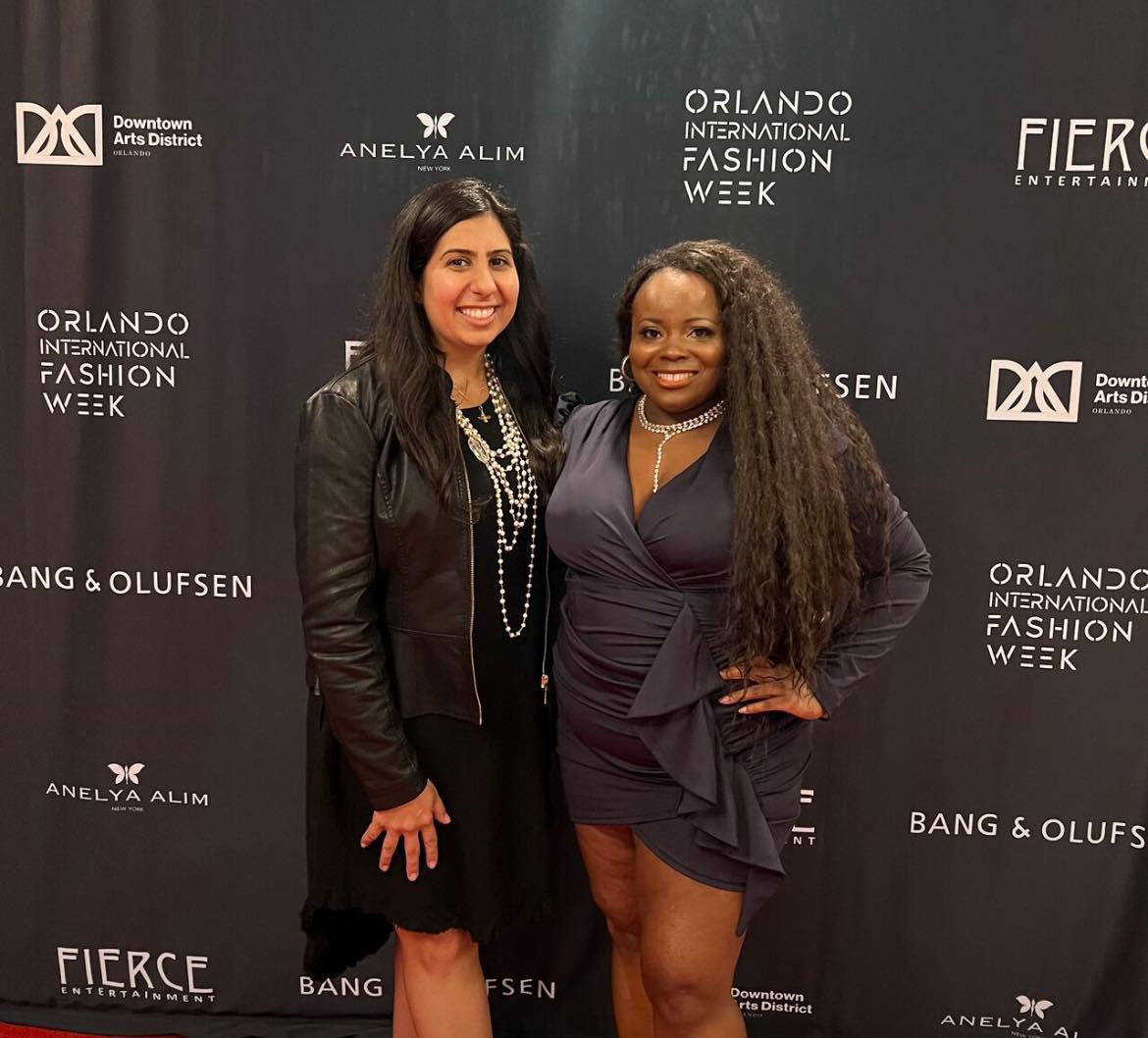
By Dr. Jessica Henlon | Education Contributor for Florida National News

Part 2: Amplifying the Value of Your College Experience

Entering college is an exciting new chapter, but it’s also an investment – of time, effort, and money. After tackling financial aid and making an informed college choice in Part 1, the next step is ensuring you get the greatest return on that investment. This means engaging in your career development, finding mentorship, and pursuing skill-building experiences from day one. These steps not only enhance your résumé but also build your confidence and connections for life after graduation. In this article, we explore how first-generation and online students (indeed, all students) can proactively make the most of college to set up a bright future.

Learning Beyond the Classroom: Start Early on Career Development

Classroom learning is just one part of your college education. Equally important is learning beyond the classroom. This includes internships, part-time jobs, campus leadership, and other hands-on experiences that prepare you for the workforce. Research consistently shows that students who participate in experiential learning reap big benefits. For example, a recent survey by the National Association of Colleges and Employers found that students with a paid internship receive more job offers and higher starting salaries than those without internship experience (Kahn & Patil, 2025). In fact, engaging in at least one work-based learning opportunity during college is linked to better career progress and higher early-career satisfaction (Strada Education Network, 2024).

Unfortunately, not every student has equal access to these opportunities. First-generation college students and those balancing jobs or family responsibilities can find it harder to take on unpaid internships or extra activities (Business-Higher Education Forum, 2024). If you’re in this situation, know that you are not alone, and your college likely has resources to help. Career centers, for instance, exist to connect students with internships, co-ops, and networking events. Many campuses also offer work-study positions or internships that provide flexibility. By starting early (even in your first year) and using these resources, you can secure experiences that make you more competitive and confident.

Consider these steps to jump-start your career development:

  • Visit the career center in your first semester: Get to know the advisors who can help polish your résumé, practice interviews, and alert you to internship postings.

  • Seek out internships or research projects: Even short-term or part-time experiences build skills and help you explore your interests. If an off-campus internship is challenging due to time or travel, look for on-campus jobs or virtual internship programs related to your field.

  • Attend job fairs and networking events: Take advantage of any employer visits, virtual career fairs, or industry panels your college offers. Introduce yourself and ask questions; each conversation can be a learning experience.

By actively pursuing opportunities, you are investing in yourself. Every new connection or skill learned is one more asset for your post-college life.

Mentorship and Networking: Building Your Support System

One of the most empowering steps you can take in college is to find a mentor. A mentor could be a professor, an advisor, a supervisor at work, or an experienced student or alumni in your field. Mentors provide guidance, encouragement, and often open doors to new opportunities. This kind of support is especially valuable if you are a first-generation student who may not have a built-in network of professional contacts. Connecting with mentors and peers helps you build “social capital”, the networks of relationships that can boost your career and personal growth.

Research underscores the power of mentorship. Studies have found that mentored students report greater confidence, clearer goals, and even improved early-career outcomes (Strada Education Network, 2024). In one national survey, college graduates who had a mentor during college were twice as likely to be engaged in their work and thriving in overall well-being after graduation (Gallup, 2014). The message is clear: you don’t have to navigate college (or the job market) alone. Seeking advice is a sign of strength and initiative, not weakness.

How do you find mentors? Start by building relationships with faculty and staff: visit professors’ office hours or talk to your advisor about your interests. Join student organizations or honor societies to meet students in advanced years who can offer tips. Many colleges also have formal mentorship programs, pairing students with alumni or professional volunteers. If you’re studying online, look for virtual mentorship communities or LinkedIn groups in your major. Don’t be afraid to send a polite email to someone whose career path you admire; often, people are happy to share their story or advice. Remember, mentorship is a two-way street built on respect and genuine connection. Come prepared with questions and be open about your goals. Over time, these relationships can blossom into a support system that will continue long after you earn your degree.

Skill-Building Experiences: Invest in Yourself

Beyond grades and classes, employers today are looking for adaptable skills and real-world experience. In a rapidly changing job market, it’s less about your major and more about what you can do. Skills like communication, teamwork, problem-solving, and leadership are often called “soft skills,” but they are crucial competencies that you can hone during college. The good news is that almost every college activity, from volunteering in the community to leading a club or working on a group project, can help build these skills.

Get involved in activities that interest you, whether it’s joining a tech club, writing for the student blog, organizing a community service event, or participating in a hackathon. Such experiences not only enrich your college life but also allow you to practice project management, collaboration, and creative thinking in a low-risk environment. Research shows that students who engage in extracurricular activities often develop better time management and interpersonal skills, and feel a stronger sense of belonging on campus (Kurtović et al., 2021). For first-gen and online learners, these activities can be a game-changer: they provide a sense of community and a break from isolation, which boosts motivation and persistence through challenges.

If you’re worried about stretching yourself too thin, remember that quality matters more than quantity. It’s better to commit to one or two activities that truly excite you than to sign up for everything. Look for “high-impact” experiences like service-learning courses, undergraduate research, or leadership roles in an organization. These tend to yield deeper learning and more significant growth. For example, volunteering for a cause you care about might sharpen your ability to organize events and communicate effectively, while also giving you purpose and stress relief. Likewise, taking on a leadership role, such as serving as a team lead on a class project or an officer in a club, helps you practice decision-making and teaches you to motivate others. Each of these experiences feeds into your personal and professional development, making you more resilient and versatile.

A Call to Action for Your Future

Making college count involves actively shaping your future. By focusing on career development, seeking mentorship, and engaging in skill-building experiences, you take ownership of your journey. This proactive mindset will pay dividends long after graduation. You’ll leave college not only with knowledge in your field, but also with a network of supporters, a portfolio of experiences, and the confidence to navigate the professional world.

_____________________________________________________________________________________________________

About the Author: Dr. Jessica Henlon holds a Ph.D. in Psychology with a specialization in Education. She is an Education Contributor for Florida National News. Dr. Henlon can be reached at Education@FloridaNationalNews.com or book.jessicahenlon@gmail.com.

Continue Reading
Advertisement
Advertisement Ticket Time Machine ad
Advertisement Orlando Regional REALTOR Association logo
Advertisement Parts Pass App
Advertisement Hispanic Chamber of Commerce of Metro Orlando
Advertisement
Advertisement African American Chamber of Commerce of Central Florida
Advertisement FNN News en Español
Advertisement Indian American Chamber of Commerce logo
Advertisement Florida Sports Channel

FNN Newsletter

Trending