Florida
Florida House Democratic Campaign Committee Faces Defamation Lawsuits, Possible Election Complaints
Published
3 weeks agoon
Two former Democratic lawmakers have sued the Florida House Democratic Campaign Committee over alleged false campaign communications, while a third weighs legal action amid growing concerns about voter impact and election integrity.
ORLANDO, Fla. (FNN) — Two former Democratic state representatives have filed defamation lawsuits a year apart naming the Florida House Democratic Campaign Committee as a defendant, while a third former lawmaker told Florida National News she is considering legal action following Tuesday’s primary.
Former state Reps. James Bush III and Daisy Morales filed separate lawsuits in Miami-Dade and Orange counties alleging false or defamatory political communications were disseminated during their campaigns.
Former state Sen. Daphne Campbell, who won Tuesday’s Democratic primary for Florida House District 108, told FNN in a phone interview that she is considering a defamation lawsuit involving the committee. Campbell and Bush, who won the Democratic nomination for House District 109, also told FNN they are considering complaints with the Florida Elections Commission.
The allegations have not been adjudicated. Filing a lawsuit or election complaint does not establish wrongdoing, and the defendants are entitled to contest the claims.
Two Lawsuits, One Common Defendant
The Florida House Democratic Campaign Committee is a defendant in separate defamation cases filed approximately one year apart by Bush and Morales.
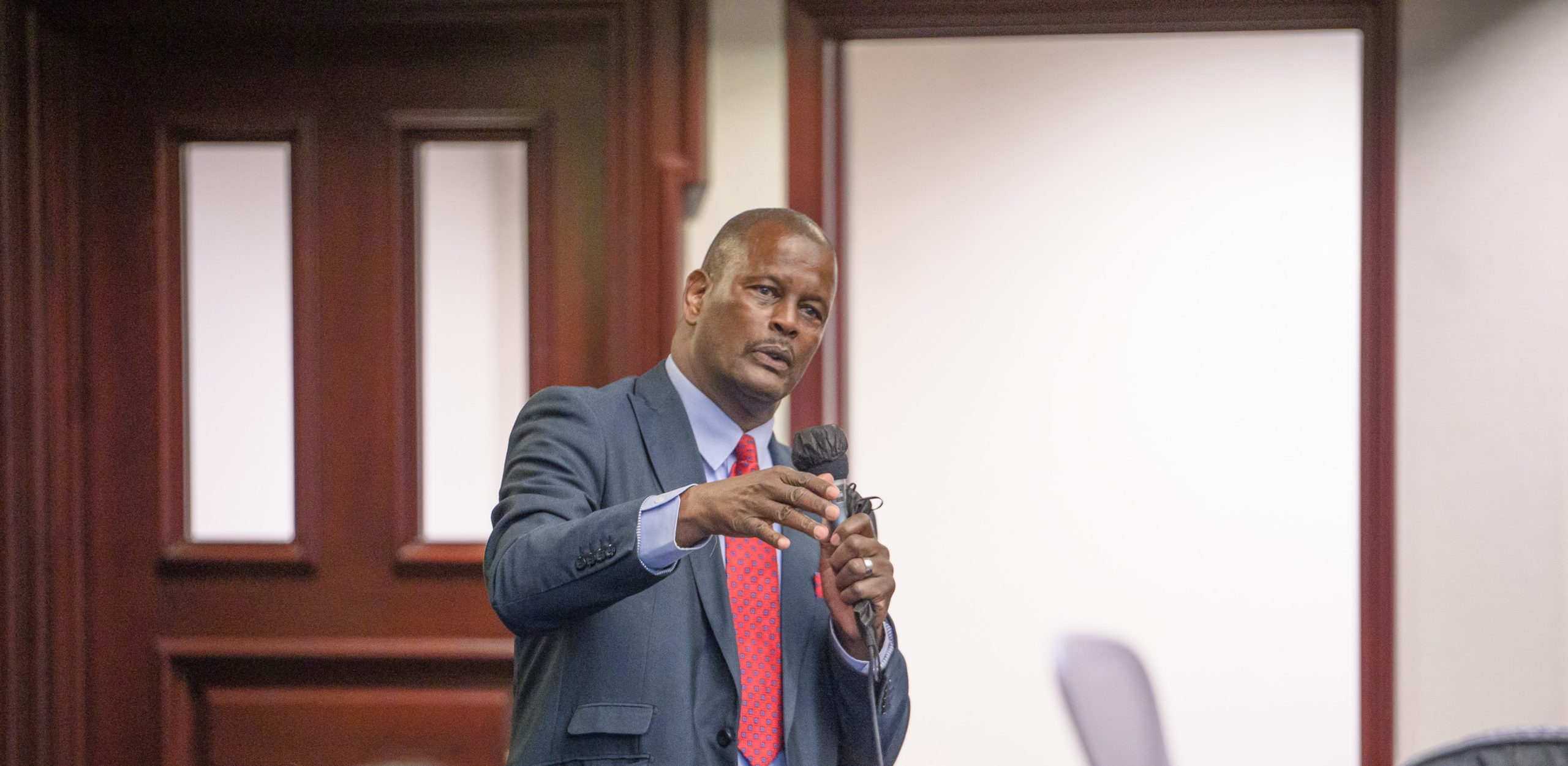
Miami-Dade: James Bush III Lawsuit
Case: James Bush III v. Ashley Gantt, et al.
Court: 11th Judicial Circuit, Miami-Dade County
Filed: Aug. 12, 2025
Plaintiff: James Bush III
Defendants: State Rep. Ashley Gantt; Florida House Democratic Campaign Committee; Stronger Together, a political committee; and Edge Communications
Damages sought: More than $1 million and a jury trial
Bush’s seven-page complaint alleges defamatory information was disseminated through campaign mailers, telephone calls and electronic communications during his 2022 re-election campaign.
The communications included portrayals of Bush as aligned with Republicans and Gov. Ron DeSantis and criticism of his legislative record.
Bush alleges the communications contained false factual assertions that damaged his reputation. Gantt and her attorney have called the lawsuit baseless. The allegations have not been proven in court.
In a phone interview with FNN, Bush said the controversy should be examined for its potential impact on voters and the integrity of the election process.
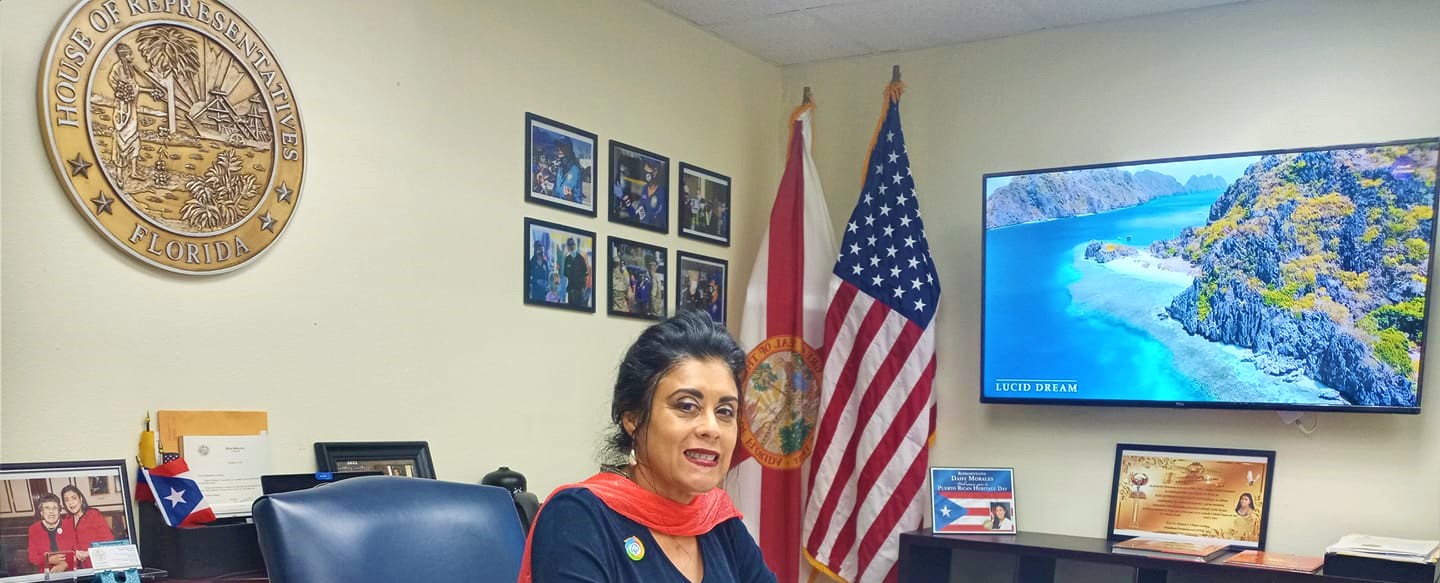
Orlando: Daisy Morales Lawsuit
Case: Daisy Morales v. Samuel Vilchez Santiago and Florida House Democratic Campaign Committee
Case No.: 482026CA008697A001OX
Court: Ninth Judicial Circuit, Orange County
Filed: Aug. 14, 2026
Assigned judge: Circuit Judge Michael Deen
Plaintiff: Daisy Morales
Defendants: Samuel Vilchez Santiago and Florida House Democratic Campaign Committee
Claims: Defamation/libel and defamation by implication
Damages: More than $50,000 for jurisdictional purposes, with damages to be determined by a jury
Morales’ 23-page complaint centers on political communications distributed during the closing days of the House District 43 Democratic primary.
The lawsuit alleges a campaign mailer falsely represented as fact that Morales had “endorsed Republican candidates and was expelled from the Orange County Democratic Party (DEC).”
Morales disputes those characterizations and alleges the communications damaged her reputation, political standing and candidacy while Democratic voters were deciding the primary.
“This goes beyond whether one candidate wins or loses,” Morales told FNN. “When voters are deliberately given false statements of fact immediately before an election, it can affect their decisions before a court or election agency ever has an opportunity to determine what actually happened.”
The defendants have not been found liable, and the allegations remain pending.
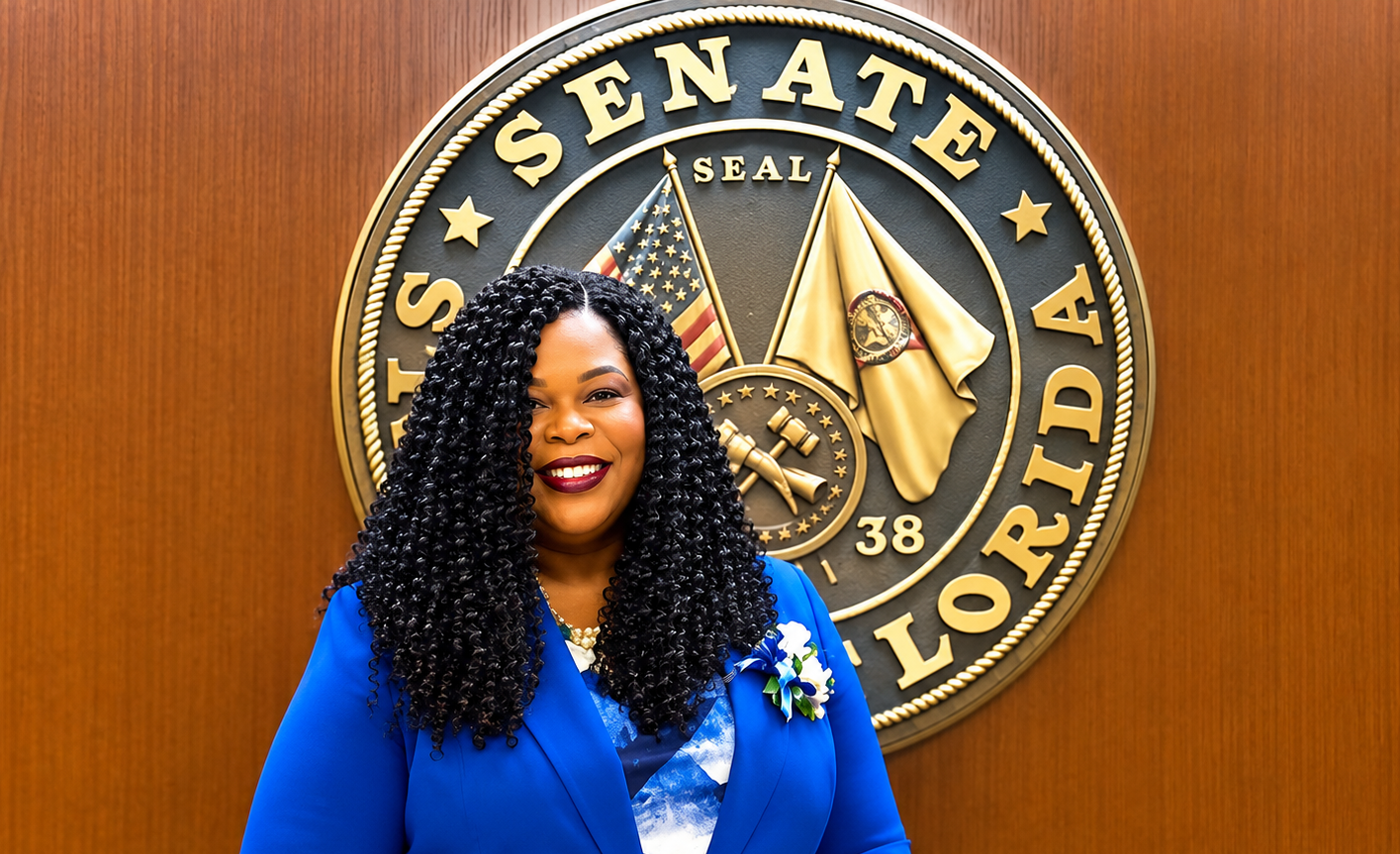
The Honorable Daphne Cambpell, Democrat, Former State Representative, Former State Senator and State Representative-Elect, Florida House District 108
Campbell Considering Third Defamation Case
Campbell told FNN she is reviewing a possible defamation lawsuit involving the Florida House Democratic Campaign Committee following her HD 108 campaign.
Campbell, who previously served in both the Florida House and Senate, defeated two opponents Tuesday to win the Democratic nomination.
She described what she views as a broader problem involving Democratic establishment influence, political committees and the treatment of candidates who challenge party-backed or establishment-preferred candidates.
Campbell also told FNN that a congressional candidate is considering a possible defamation action involving the committee.
FNN has not independently confirmed that prospective lawsuit and is withholding the candidate’s identity pending an on-the-record statement or court filing. FNN will report separately if litigation is filed.
Lawmakers Point to Similar Campaign Tactics
Bush, Campbell and Morales say their experiences raise broader questions about political mailers, text messages, telephone outreach and other communications used to influence Democratic primary voters.
Bush alleges false information was disseminated through mailers, calls and electronic communications. Morales alleges false or materially misleading factual statements were distributed through political advertising. Campbell says she is reviewing communications from her campaign to determine whether legal action is warranted.
The similarities do not establish coordination or a broader scheme.
Evidence of common decision-makers, financing, consultants, vendors, opposition research, messaging or approval processes would be necessary to substantiate broader allegations. Such evidence could potentially emerge through civil discovery or an investigation by an agency with jurisdiction.
The Legal Divide: Defamation, Election Violations and Election Contests
The disputes involve three separate areas of law: civil defamation, election-law enforcement and election contests.
Candidates and public officials face a high constitutional threshold in defamation cases involving public issues. Under the U.S. Supreme Court’s New York Times Co. v. Sullivan standard, a public official generally must establish “actual malice” — that a defamatory statement was made with knowledge of its falsity or reckless disregard for whether it was false.
That means negative, misleading or damaging political speech does not automatically constitute defamation. Courts must distinguish actionable false statements of fact from protected opinion, rhetoric and political criticism.
The Florida Elections Commission serves a different function. It investigates alleged violations within its statutory election-law and campaign-finance jurisdiction. It is not a general defamation court.
An election complaint therefore must identify conduct violating a specific election statute; an allegation that political advertising was false or defamatory does not, standing alone, establish an election-law violation.
Florida Election-Contest Law Does Not Expressly List Defamation
A third legal issue could have broader implications.
Under Section 102.168, Florida Statutes, an unsuccessful candidate may contest an election or nomination on specified grounds, including certain misconduct, fraud or corruption by election officials or canvassing-board members sufficient to change or place the result in doubt; the successful candidate’s ineligibility; sufficient illegal votes or rejected legal votes; and specified bribery.
The statute does not expressly identify defamatory campaign communications by a candidate, political committee or party organization as an independent ground for contesting an election.
Morales says that is a gap Florida lawmakers should examine.
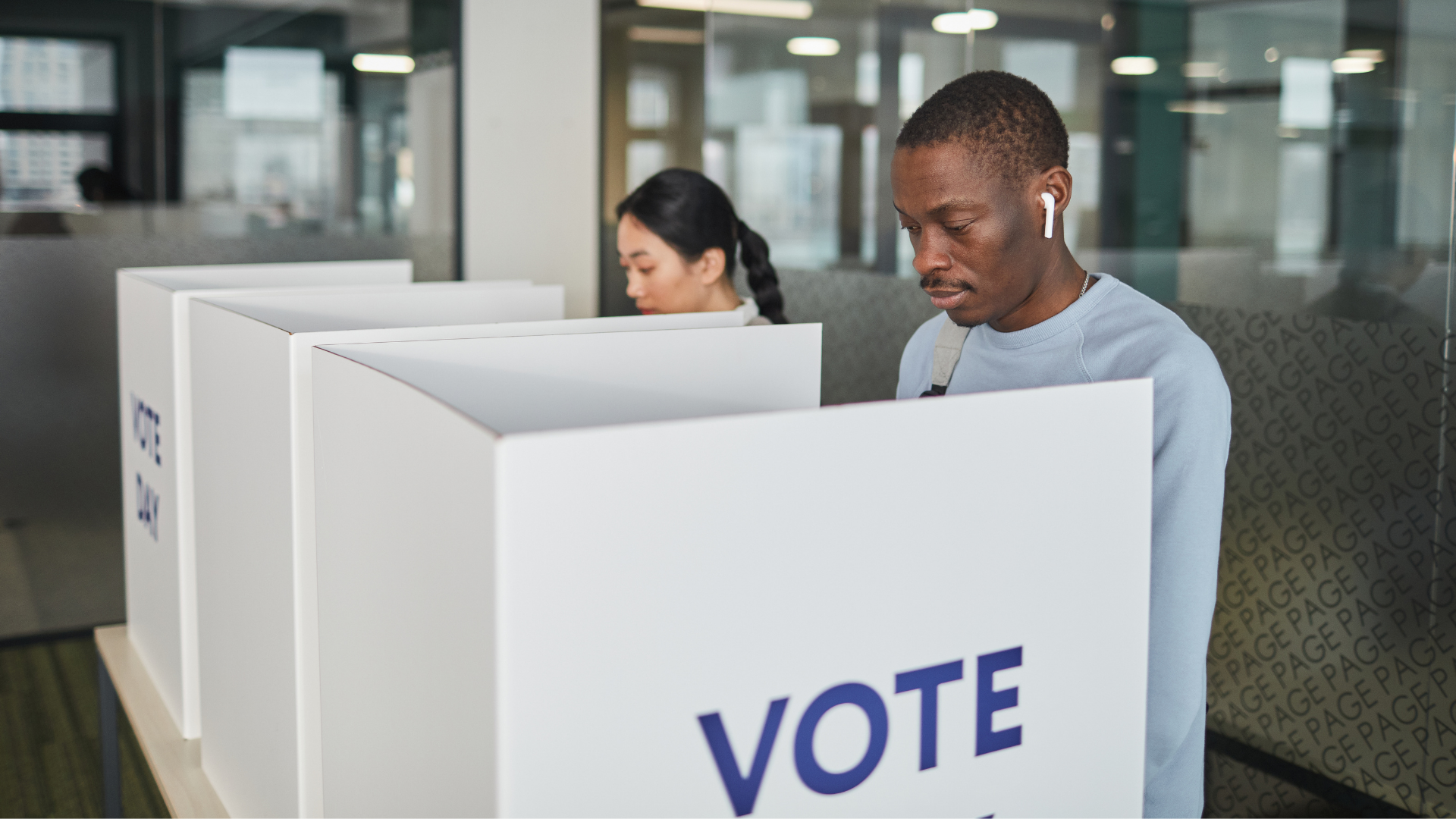
Impact on Voters: Election Day Moves Faster Than the Courts
The lawmakers say the central problem is timing.
Political mailers, texts, digital advertisements and telephone communications can reach thousands of voters within days. Defamation litigation can take months or years.
An election can therefore be certified long before a judge or jury determines whether a disputed campaign statement was defamatory.
“The voter is also harmed when an election decision is based on deliberately false information,” Morales said. “You cannot give voters their vote back six months or two years later after a court finally determines what was true.”
That creates a difficult balance. The First Amendment provides extensive protection for political speech, including harsh criticism of candidates. At the same time, candidates can be held accountable under existing law for actionable defamatory statements when the required elements and constitutional standards are proven.
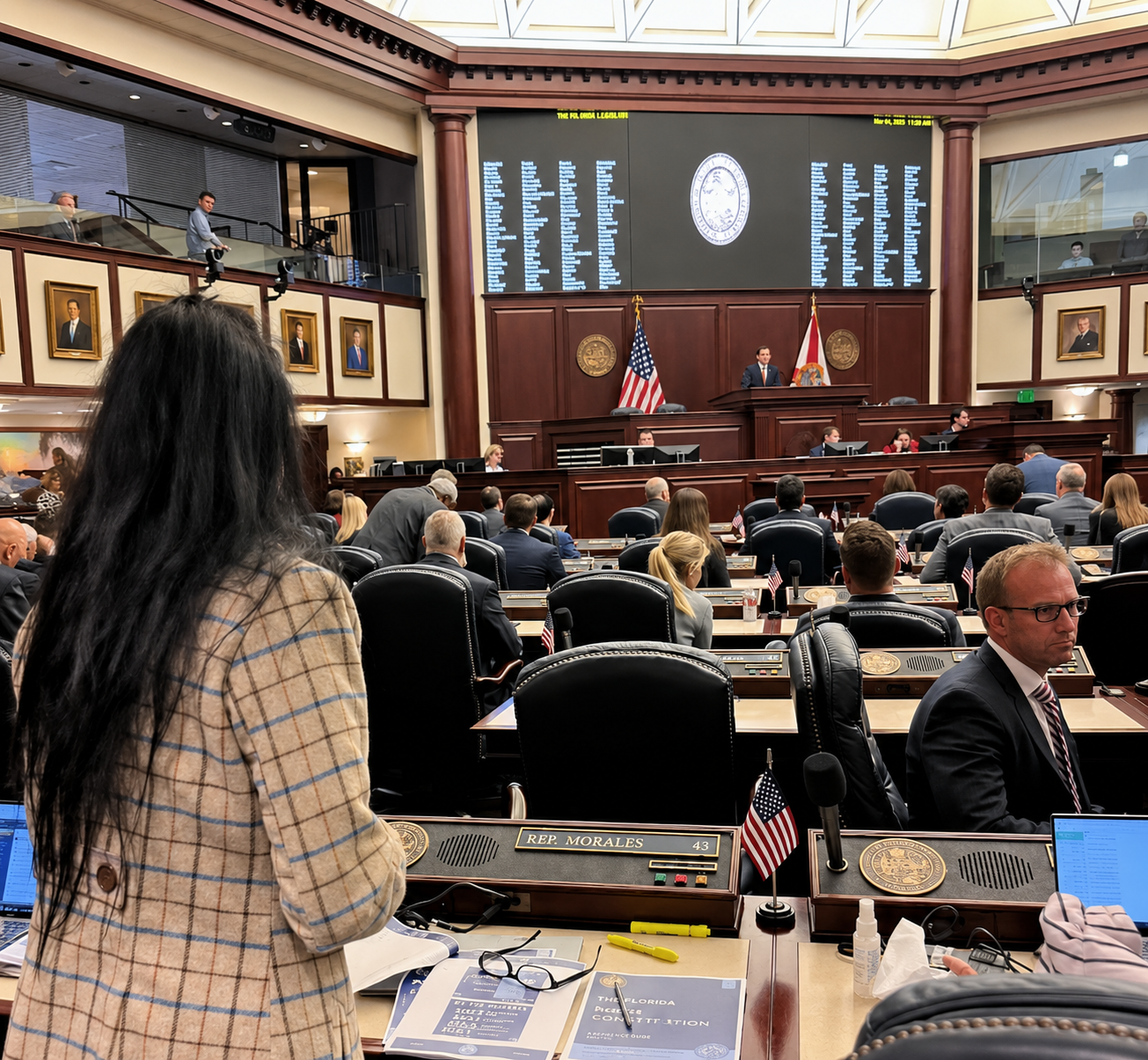
Morales Calls for Election-Contest Law Amendment
Morales said Florida should examine whether its election-contest statute should provide a narrowly tailored remedy when defamatory campaign conduct is proven and there is sufficient evidence that it materially affected an election.
She said lawmakers should study approaches taken by states including California and Oregon, while developing a Florida-specific proposal consistent with First Amendment protections.
“Florida’s election-contest law needs to be amended for the realities of modern elections,” Morales said. “If a court determines that a candidate, political committee or another political actor knowingly used defamatory false statements to influence voters, and there is sufficient evidence that the conduct materially affected the election, Florida law should provide an appropriate election remedy.”
Morales said any legislation should impose a high evidentiary threshold and distinguish legitimate criticism and political opinion from provably false statements of material fact.
Such legislation would raise significant constitutional questions and would require careful drafting to protect political speech and prevent ordinary campaign disputes from becoming grounds for overturning election results.
Why Courts and Election Regulators Matter
The existence of two lawsuits against the same political organization does not prove a coordinated operation.
But civil litigation can potentially uncover evidence through discovery, including contracts, invoices, communications, advertising drafts, opposition research, vendor relationships, approval records and information concerning what individuals knew before disputed material was disseminated.
Depending on what such evidence establishes, it could be relevant to the civil lawsuits or to separately alleged election-law violations within the Florida Elections Commission’s jurisdiction.
For now, there is one documented connection: Bush and Morales, two former Democratic Florida House members in different counties and election cycles, have separately named the Florida House Democratic Campaign Committee as a defendant in defamation litigation arising from campaign communications.
Campbell says she may become the third former Democratic lawmaker to pursue such a claim.
Whether the cases represent unrelated episodes of hard-fought primary politics or evidence of something broader cannot be determined from the lawsuits alone.
For Florida voters, however, the cases raise a larger question:
What remedy should exist if intentionally false factual campaign communications are eventually proven defamatory — and also proven to have materially affected an election — after the ballots have already been counted?
Bush and Morales have taken their allegations to court. Campbell says she is considering doing the same.
Morales now says the question should also go before the Florida Legislature.
You may like

State House Democratic Nominee Samuel Vilchez Santiago Faces Defamation Lawsuit, Election Law Investigation

[COURTS & LAW] Paula Stark Court Record Could Impact Daisy Morales, James Bush III Defamation Lawsuits Against FHDCC

Florida House Democratic Campaign Committee Chair Christine Hunschofsky Faces Lawsuits, Election Complaints
Central Florida News
State House Democratic Nominee Samuel Vilchez Santiago Faces Defamation Lawsuit, Election Law Investigation
Published
6 hours agoon
September 9, 2026FNN investigation uncovers additional records as civil discovery and Florida Elections Commission powers could test disputed claims made to HD 43 Democratic primary voters
ORLANDO, Fla. (FNN) — Democratic Florida House nominee Samuel Vilchez Santiago heads toward the November general election with an unresolved defamation lawsuit and Florida Elections Commission investigation stemming from disputed political communications distributed during his Aug. 18 Democratic primary against former state Rep. Daisy Morales.
Morales alleges Vilchez Santiago and the Florida House Democratic Campaign Committee, or FHDCC, falsely portrayed her as a supporter of Republican candidates and Gov. Ron DeSantis and misrepresented her standing in the Democratic Party.
Florida Politics independently reported Aug. 15 that Morales sued Vilchez Santiago and FHDCC over mailers accusing her of backing Republicans and stating that she had been expelled from the Orange County Democratic Party.
Ongoing lawsuit and Florida Elections Commission investigation could broaden the scope of evidence and records examined, with potential witnesses including Orlando Mayor Buddy Dyer and Orange County School Board Chair-elect Angie Gallo
No court or state agency has determined that Vilchez Santiago, FHDCC or another person committed defamation, violated Florida election law or committed a crime. The allegations remain disputed and subject to separate legal processes.
But FNN’s continuing investigation has assembled a growing documentary record that could be tested through civil discovery or an authorized state election investigation.
That record includes Republican attorney Joel Montilla’s statement that Morales did not endorse his campaign; the original context of a years-old photograph of Morales with DeSantis; Orange Democrats’ 2022 praise of Morales; her 97% People First legislative rating; Vilchez Santiago’s own 2024 public comments concerning Democrats supporting a Republican candidate; and documentary material showing Democratic Orange County School Board member Angie Gallo served as Montilla’s campaign manager and publicly endorsed him.
The central question is increasingly straightforward:
What information existed before the disputed representations were presented to Democratic voters, and what did the people responsible for creating, approving and distributing those communications know?
TWO PROCEEDINGS, TWO PATHS TO THE EVIDENCE
The dispute is unfolding through two separate legal processes with different purposes and powers.
Morales’ defamation lawsuit against Vilchez Santiago and FHDCC is a civil court proceeding.
Subject to Florida’s civil procedure rules, relevance requirements, privileges, objections and judicial supervision, discovery can potentially be used to obtain relevant documents, electronically stored information and sworn testimony.
The Florida Elections Commission investigation is separate.
Florida law gives the commission jurisdiction over alleged violations of Chapters 104 and 106 properly brought before it. The commission investigates alleged violations specifically contained in a qualifying sworn complaint or information reported by the Division of Elections.
The distinction matters.
The court determines the civil claims before it.
The Elections Commission determines alleged Election Code violations within its statutory jurisdiction.
Neither proceeding automatically determines the outcome of the other.
MONTILLA: MORALES DID NOT ENDORSE MY CAMPAIGN
One of the central factual disputes involves attorney Joel Montilla, a Republican who ran for the nonpartisan Orange County Commission District 5 seat in 2024.
Morales’ name appeared on a host committee associated with Montilla’s campaign kickoff. Morales maintains that participating on the committee was not an endorsement.
Montilla subsequently told Florida National News that Morales did not endorse his campaign and that her involvement was limited to the host committee.
According to Montilla’s account to FNN, Democrats and Republicans participated in the campaign kickoff.
That distinction could become important because the challenged political communications portrayed Morales as having endorsed Republican candidates.
Campaign finance record showing a $100 contribution from attorney Joel Montilla to Samuel Vilchez Santiago’s HD 43 campaign on Jan. 30, 2026. The contribution is highlighted for emphasis. FNN illustration.
FNN’s investigation also found that Montilla contributed $100 to Vilchez Santiago’s 2026 House campaign.
FNN further documented Vilchez Santiago and Montilla appearing within overlapping Puerto Rican civic and professional circles.
Those facts do not establish wrongdoing or knowledge of falsity.
They raise a narrower factual question:
Was Montilla asked whether Morales endorsed him before his campaign was used to support that allegation?
ANGIE GALLO’S ROLE COULD SHARPEN THE ENDORSEMENT QUESTION
Another potentially important comparison involves Democratic Orange County School Board member Angie Gallo.
Documentary material reviewed by FNN identifies Gallo as campaign manager for Montilla’s Orange County Commission campaign.
Separate campaign material also publicly announced Gallo’s endorsement of Montilla.
That creates a materially different record from the evidence involving Morales.
Gallo is documented as both an active campaign participant and an announced supporter of Montilla. Morales, by contrast, is documented on a host committee, while Montilla himself says Morales did not endorse him.
That distinction could matter if the litigation or election proceeding examines how an endorsement was defined and what evidence existed to support the claim that Morales endorsed Republican candidates.
It could also raise another verification question:
Before Vilchez Santiago publicly repeated or approved the allegation concerning Morales, did he ask Gallo — Montilla’s campaign manager and a publicly identified endorser — whether Morales had actually endorsed the campaign?
That question does not presume that Vilchez Santiago asked Gallo, failed to ask her, or knew what she would have said.
It identifies a potential firsthand witness who, because of her documented campaign role, may have possessed direct knowledge about how the Montilla campaign identified campaign managers, endorsers, host-committee members and other supporters.
GALLO AND VILCHEZ SANTIAGO MOVED IN OVERLAPPING DEMOCRATIC CIRCLES
FNN’s prior reporting and documentary material also place Gallo and Vilchez Santiago in overlapping Orange County Democratic political circles.
That relationship does not establish that they discussed Morales or the Montilla campaign.
But if discovery examines what avenues were available to verify the endorsement allegation, their political relationship could become relevant to the narrower question of access to firsthand information.
A court or authorized investigator could potentially examine whether Vilchez Santiago contacted Montilla, Gallo or another person directly involved with the campaign before the allegation was disseminated.
Whether Gallo would actually become a witness or receive a subpoena would depend on relevance, procedural rules, objections and the scope of the proceeding.
Her inclusion in the article should therefore be understood as a potential fact-witness issue, not an allegation of wrongdoing.
Then-newly elected Florida Gov. Ron DeSantis and Orange County Soil and Water Conservation District Supervisor Daisy Morales attend a Florida agriculture-related event at the Florida State Fair in February 2019. The photograph predates Morales’ election to the Florida House in 2020. Photo provided to FNN.
FNN TRACES DESANTIS PHOTO TO 2019 STATE FAIR
FNN also investigated a photograph used to associate Morales politically with DeSantis.
The photograph was not taken during the 2026 campaign or during Morales’ service in the Florida House.
FNN traced the photograph to February 2019 at the Florida State Fair, where Morales was serving as an elected Orange County Soil and Water Conservation District supervisor.
DeSantis had recently taken office as Florida’s Republican governor. Morales had been reelected to the nonpartisan conservation district and would not be elected to the Florida House until November 2020.
Then-Florida Agriculture Commissioner Nikki Fried, left, and Orange County Soil and Water Conservation District Supervisor Daisy Morales, second from right, attend an agriculture-related event at the Florida State Fair in February 2019. The photograph provides additional context surrounding Morales’ participation in the event where she was also photographed with Gov. Ron DeSantis. Photo provided to FNN.
FNN’s records also show Morales participating in the agriculture-related event with newly elected Democratic Agriculture Commissioner Nikki Fried.
The photograph establishes that Morales and DeSantis appeared together at an event involving Florida agriculture.
Standing alone, it does not establish that Morales endorsed DeSantis or supported his political agenda.
Whether the photograph, accompanying language and overall presentation created a false or defamatory implication is a question governed by the claims, evidence and applicable law in the civil case.
Then-Orange County Democratic Party Chair Wes Hodge, left, then-state Rep. Daisy Morales, center, and then-Orange County Democratic Party Vice Chair Jennifer “Rita” Harris, right, are pictured in March 2022 as Orange Democrats publicly recognized Morales’ work in Tallahassee. The party’s post thanked Morales for her work on behalf of Orange County and said, “We appreciate everything you have done to fight for our values in Tallahassee this year.”
ORANGE DEMOCRATS PREVIOUSLY PRAISED MORALES
FNN also reviewed contemporaneous documentary material showing that the Orange County Democratic organization publicly praised Morales during her legislative tenure.
A 2022 Orange Democrats post thanked Morales for her work on behalf of Orange County and stated:
“We appreciate everything you have done to fight for our values in Tallahassee this year.”
At the time, Wes Hodge served as Orange County Democratic Party chair and Jennifer “Rita” Harris served as vice chair.
FNN’s documentary materials also show Morales receiving recognition during that period along with other Orange County Democratic state lawmakers.
The significance is chronological.
The recognition does not establish that Morales could not subsequently have violated a party rule. It does document how local Democratic leadership publicly characterized her before the later loyalty dispute.
By February 2024, an Orange County Democratic membership record reviewed by FNN identified Morales’ position as:
“Vacant — Oath Loyalty Violation.”
That creates questions potentially capable of being answered through original party records:
What occurred between the 2022 recognition and the 2024 vacancy designation? What rule was invoked? What process was followed? Was there a formal expulsion? What documents and votes support that characterization?
97% PEOPLE FIRST RATING ADDS LEGISLATIVE CONTEXT
Morales’ legislative voting record provides another contemporaneous reference point.
Florida’s People First Report Card identified Morales as a Democrat representing Orlando’s House District 48 and awarded her an A, or 97%, for the 2022 legislative session.
The rating does not establish Morales’ position on every issue and does not resolve the pending defamation claims.
It does provide a contemporaneous measurement of her voting record while serving as a Democratic state representative.
Rep. Yvonne Hayes Hinson, D-Gainesville, Rep. Daisy Morales, D-Orlando, Rep. Tray McCurdy, D-Orlando (in front) and Rep. Angie Nixon, D-Jacksonville, protest on the Florida Seal as debate is halted in the House of Representatives Thursday, April 21, 2022, at the Capitol in Tallahassee, Fla. The session was halted by the protest, but continued after a brief recess. Phil Sears AP
MIAMI HERALD DOCUMENTED MORALES IN DESANTIS MAP PROTEST
Morales’ legislative record also includes a highly public confrontation over a major DeSantis-backed initiative.
On April 21, 2022, Democratic lawmakers disrupted Florida House proceedings during debate over a congressional redistricting map drawn by the governor’s staff.
The Miami Herald documented the protest and Morales’ participation alongside Democratic lawmakers challenging the map.
Morales held a sign declaring:
“Legislators serve the people. Not your party.”
Democratic lawmakers sang “We Shall Overcome,” and the confrontation interrupted House proceedings before lawmakers returned and passed the map.
The Miami Herald coverage is significant because it was published contemporaneously in 2022 — years before the HD 43 primary, the disputed mailers or Morales’ lawsuit.
NBC NEWS CORRECTED NATIONAL RECORD TO IDENTIFY MORALES
The House-floor confrontation also received national coverage from NBC News.
NBC reported on Democratic lawmakers disrupting Florida House proceedings over the DeSantis congressional map.
Of particular significance, NBC subsequently issued a correction after initially misidentifying the Hispanic representative participating in the protest.
The correction specifically identified Daisy Morales.
Together, NBC’s national reporting, the Miami Herald’s coverage, Associated Press photography and FNN’s contemporaneous reporting independently document Morales’ participation in the confrontation.
That does not establish that Morales opposed every DeSantis policy or never worked across party lines.
It does provide historical evidence against which broad representations concerning her political alignment with DeSantis or Republicans can be evaluated.
VILCHEZ SANTIAGO’S 2024 STATEMENT ADDS CONTEXT TO PARTY-LOYALTY DISPUTE
A statement Vilchez Santiago made while serving as chairman of the Orange County Democratic Executive Committee provides another contemporaneous record concerning cross-party political activity.
On Aug. 26, 2024, Winter Park Voice reported that Democratic Orlando Mayor Buddy Dyer had endorsed Republican former Winter Park Mayor Steve Leary in the nonpartisan Orange County Commission District 5 race.
The report also documented that other Democrats supported Leary.
Winter Park Voice interviewed Vilchez Santiago in his capacity as chairman of the Orange County Democratic organization. He said his organization had sent texts and mailers informing voters that Leary was a Republican rather than a Democrat.
Vilchez Santiago said that effort was intended to educate voters and was not undertaken specifically in response to Dyer’s endorsement.
That 2024 statement does not establish that party rules were selectively enforced against Morales.
It does create a contemporaneous comparison:
How did Vilchez Santiago and the Orange County Democratic organization distinguish among cross-party endorsements, participation in nonpartisan campaigns, voter education and conduct considered serious enough to trigger formal party discipline?
GALLO COMPARISON COULD TEST HOW PARTY RULES WERE APPLIED
Gallo’s documented involvement with Montilla adds another layer to that comparison.
If Gallo was subject to the same Orange County Democratic Executive Committee loyalty requirements as Morales at the relevant time, discovery could potentially examine how the party treated Gallo’s documented campaign-management and endorsement activity compared with Morales’ disputed host-committee participation.
But that threshold must first be established.
A registered Democrat is not necessarily a Democratic Executive Committee member subject to the same internal loyalty rules.
The relevant questions therefore would include:
Was Gallo an ODEC member at the relevant time?
Was Morales subject to the same rule?
What did the applicable loyalty oath actually prohibit?
Did the rules distinguish between endorsement, campaign management, host-committee participation and attendance at a nonpartisan campaign event?
Were comparable cases treated similarly?
The answers should come from membership records, bylaws, loyalty-oath provisions, disciplinary records and testimony rather than political assumptions.
CROSS-PARTY POLITICAL ACTIVITY COULD TEST PARTY-RULE CLAIMS
The broader cross-party record could also potentially include testimony or documents involving Orlando Mayor Buddy Dyer, Orange County Commissioner Michael Scott, Angie Gallo or other Democrats and Republicans if their experiences become relevant to a legally permitted issue.
Their possible relevance does not mean they are defendants, investigation targets or accused of misconduct.
The evidentiary purpose would be narrower: determining whether comparable political activity occurred and how party rules were interpreted or enforced.
DISCOVERY COULD TEST WHO KNEW WHAT — AND WHEN
The civil lawsuit could move the dispute beyond campaign statements and into original records and sworn testimony.
The original 2019 DeSantis photograph could establish its complete context.
The Montilla materials could establish precisely what involvement Morales had with his campaign.
Gallo could potentially provide firsthand information about the Montilla campaign’s endorsement practices.
Party records could establish what action was actually taken concerning Morales’ membership.
And Vilchez Santiago’s 2024 statements could be compared against the organization’s actual treatment of other cross-party political activity.
The resulting questions include:
Who originated the allegation that Morales endorsed Montilla?
What evidence supported it?
Was Montilla contacted?
Was Angie Gallo, Montilla’s campaign manager and announced endorser, contacted?
What information did they provide, if any?
Who provided the endorsement allegation to FHDCC?
What did Vilchez Santiago review before approving the communication?
What official records supported the representation concerning Morales’ Democratic Party status?
How had comparable cross-party activity previously been handled?
Was contradictory information available before publication?
FLORIDA ELECTIONS COMMISSION HAS SEPARATE INVESTIGATIVE AUTHORITY
The Florida Elections Commission proceeding presents another potential route for developing evidence.
Under Florida Statute 106.26, the commission has substantial subpoena authority when carrying out its statutory responsibilities.
The commission may subpoena qualifying persons and require production of records relevant to an investigation, including certain records and accounts of banks and trust companies doing business in Florida. Authorized representatives may administer oaths, and the commission can seek circuit-court enforcement when a witness fails to comply with a lawful subpoena.
That authority could permit an authorized investigation to test public allegations against underlying documents and testimony.
The filing of a complaint, however, does not itself establish that a violation occurred.
SUBPOENA POWER COULD MOVE THE DISPUTE BEYOND POLITICAL RHETORIC
Political accusations ordinarily can be answered with competing political statements.
A lawful subpoena operates differently.
That could make the distinction among Montilla, Gallo and Morales particularly relevant.
Montilla can address whether he received an endorsement.
Gallo potentially can address the internal operation of Montilla’s campaign and how endorsements were identified.
Morales can address the nature of her own involvement.
Other records could show what information Vilchez Santiago, FHDCC or political consultants possessed before the disputed communications were approved and distributed.
Whether any of those individuals is actually subpoenaed would remain a decision for the legally authorized body.
COULD EVIDENCE REACH OTHER STATE OR FEDERAL AUTHORITIES?
Potentially — but the legal distinction remains important.
A defamation lawsuit does not become a criminal prosecution because evidence emerges during discovery.
A Florida Elections Commission proceeding likewise is not automatically a criminal investigation merely because the commission has investigative powers.
Florida Statute 106.25 expressly preserves the jurisdiction of other government officers and agencies independently empowered by law to investigate, act upon or dispose of alleged Election Code violations.
Evidence developed through civil discovery or an authorized election investigation therefore could potentially be considered by another authority if it falls within that authority’s independent jurisdiction.
Depending upon the facts and applicable law, that potentially could include a local state attorney, the Florida Department of Law Enforcement, the Florida attorney general or Office of Statewide Prosecution, or federal investigative or prosecutorial authorities where an independent federal jurisdictional basis exists.
Those agencies do not possess interchangeable authority.
The legally appropriate progression is:
Evidence → applicable law → jurisdiction → agency review or investigation → prosecutorial decision, if warranted.
REFERRAL, INVESTIGATION AND PROSECUTION ARE DIFFERENT
A request for another agency to review evidence is not the same as confirmation that an investigation has begun.
An agency receiving information must make its own assessment of jurisdiction and evidence.
It could decline to act, request more information, conduct a preliminary review, open an investigation or pursue another action authorized by law.
PRESERVATION OF ORIGINAL EVIDENCE COULD BECOME IMPORTANT
As the documentary record grows, preservation of original materials could become increasingly important to both the defamation lawsuit and Florida Elections Commission investigation.
Potentially relevant materials could include original photographs and metadata, emails, party records, endorsement materials and communications concerning the creation, approval and distribution of the disputed campaign messages.
There is no finding that evidence has been destroyed, concealed, fabricated or altered. Any allegation of evidence tampering or improper destruction would require separate supporting facts and legal analysis.
Preservation nevertheless matters because original records can allow courts and authorized investigators to determine what information existed, when it existed, who possessed it and whether later representations accurately reflected the underlying record.
WHAT’S AT STAKE: THE EVIDENCE NOW MATTERS
Vilchez Santiago won the Aug. 18 Democratic primary, but the election did not resolve the allegations now before the civil court and Florida Elections Commission.
The lawsuit and election proceeding could move the dispute beyond campaign rhetoric to documents, electronic communications, witnesses, subpoenas and sworn testimony — testing what was presented to voters, what evidence supported it and what those responsible knew before publication.
Montilla’s denial that Morales endorsed him, Gallo’s documented role as Montilla’s campaign manager and public endorser, and the broader party record sharpen a central question: Could the disputed claims have been verified before they reached voters?
Vilchez Santiago now heads toward the November general election as the Democratic nominee while those legal questions remain unresolved.
For FNN, the story no longer ends with what was said during the campaign. It now turns on what the evidence can prove.
Entertainment
Tom Cruise Brings Hollywood Star Power to Daytona as ‘Days of Thunder’ Sequel Energizes NASCAR
Published
3 days agoon
September 6, 2026Cruise’s Daytona appearance puts NASCAR in the global entertainment spotlight as Cole Trickle prepares to return to the track in 2028
DAYTONA BEACH, Fla. (FNN SPORTS) — Tom Cruise brought Hollywood star power to Daytona International Speedway, energizing the NASCAR garage and putting one of racing’s most recognizable movie characters back on the starting grid.
The global superstar’s appearance during the Coke Zero Sugar 400 weekend was more than a celebrity visit. Cruise came to Daytona to reconnect with NASCAR, meet today’s drivers and team owners, and introduce the next chapter of Days of Thunder, with Cruise returning as Cole Trickle and Anne Hathaway joining the franchise.
Florida National News was at Daytona capturing Cruise’s interaction with drivers, teams and fans as Hollywood and NASCAR came together at the World Center of Racing.
Cruise Brings Hollywood Star Power to Daytona
Cruise’s presence immediately became one of the biggest stories surrounding the NASCAR weekend.
The actor attended the pre-race drivers meeting and spent time with competitors and team owners as he learned more about how NASCAR has changed since the original Days of Thunder was released in 1990.
Cruise told NASCAR competitors that he wants the new movie to capture more than racing. His interest extends to the teams, people and culture surrounding the sport — an approach that could give NASCAR significant exposure beyond its traditional fan base.
For NASCAR, that star power matters.
Cruise is one of the world’s most recognizable movie stars, and a major theatrical production built around stock-car racing could introduce NASCAR’s drivers, teams and tracks to audiences who may rarely, if ever, watch a Cup Series race.
Tom Cruise and Anne Hathaway pose alongside a “Cole Trickle” Days of Thunder race car in a promotional image for Days of Thunder 2.
Photo Credit: Courtesy Photo: Tom Cruise’s X social media
‘Days of Thunder’ Returns for a New NASCAR Generation
Cruise will reprise his role as Cole Trickle, the fearless young driver at the center of the original movie.
Hathaway will co-star as a race-team owner and engineer. Jonathan Levine is set to direct from a screenplay by Will Staples, while Cruise, Jerry Bruckheimer and Tommy Harper are producing.
Paramount Pictures has scheduled the movie for June 2, 2028.
The sequel arrives nearly four decades after the original Days of Thunder brought NASCAR racing to movie theaters around the world.
The 1990 film starred Cruise alongside Robert Duvall, Nicole Kidman, Michael Rooker, Randy Quaid and Cary Elwes. Real NASCAR personalities were also incorporated into the production, establishing a connection between Hollywood fiction and the actual racing community.
Now Cruise is returning to a NASCAR that is dramatically different from the sport Cole Trickle entered in 1990.
NASCAR Drivers Already Want In
Cruise’s Daytona appearance also created another storyline: Which NASCAR stars will make it into the movie?
Three-time Cup Series champion Joey Logano, along with Chase Briscoe and Kyle Larson, has expressed interest in appearing in the sequel. Production is expected to begin in early 2027, leaving casting and potential NASCAR cameos among the major developments still ahead.
Their enthusiasm illustrates the cultural reach of the original film within NASCAR itself.
Many of today’s drivers grew up in an era when Days of Thunder had already become part of racing’s popular culture. Appearing alongside Cruise could now give a new generation of NASCAR competitors the opportunity once held by drivers who appeared in the original movie.
Dale Earnhardt Jr. Helps Connect Hollywood With Modern NASCAR
NASCAR’s involvement may extend well beyond cameos.
Dale Earnhardt Jr. has said he has been communicating with people developing the story, including discussions about how the movie can authentically portray today’s NASCAR while respecting what made the original memorable.
That input could prove valuable.
NASCAR has changed dramatically since 1990 — from its race cars and safety technology to team operations, media coverage and the way fans experience the sport. Capturing modern NASCAR while preserving the personality of the original movie will be one of the sequel’s central challenges.
Rick Hendrick Sees a Major Opportunity for NASCAR
Few people have a stronger connection to both chapters than legendary NASCAR team owner Rick Hendrick.
Hendrick Motorsports provided technical support for the original movie, beginning a relationship among Hendrick, Cruise and producer Jerry Bruckheimer that stretches back decades.
Hendrick believes the sequel could provide a significant boost for NASCAR, saying the movie could do the sport “a tremendous amount of good.”
That assessment gets to the larger significance of Cruise’s Daytona appearance.
A Days of Thunder sequel isn’t simply another Hollywood production using racing as a backdrop. If NASCAR teams, drivers and tracks become part of the production, the movie could function as a global showcase for the sport.
From ‘Top Gun’ to ‘Days of Thunder’
Cruise has already demonstrated the potential of revisiting a signature movie decades later.
Top Gun: Maverick introduced the Top Gun franchise to a new generation while bringing longtime fans back to theaters. There is no guarantee Days of Thunder will duplicate that success, but NASCAR offers many of the elements associated with Cruise’s biggest action films — speed, technology, competition, danger and spectacle.
The difference this time is that NASCAR itself could share the spotlight.
Cruise isn’t simply returning to the fictional world of Cole Trickle. He is immersing himself in the real NASCAR garage before cameras begin rolling.
Daytona Becomes the Starting Line
That makes Daytona an important part of the sequel’s developing story.
Daytona International Speedway represents generations of NASCAR history. Cruise’s decision to bring Days of Thunder back into that environment connected the original film, today’s NASCAR and Hollywood’s upcoming sequel in one place.
For longtime NASCAR fans, Cruise’s return revives memories of Cole Trickle.
For younger audiences, the new film could provide their first introduction to the character — and potentially their first meaningful exposure to NASCAR.
For the sport itself, the possibilities are considerably larger.
Cruise and Hathaway give the production international star power. NASCAR provides the speed, personalities, rivalries and authenticity. Daytona provided the stage where those worlds came together.
And NASCAR drivers are already lining up to become part of it.
What’s Next for ‘Days of Thunder’
Attention now turns toward production, which is expected to begin in early 2027. Additional casting, filming locations, participating NASCAR organizations and driver cameos remain among the biggest unanswered questions.
The finished movie is scheduled to arrive in theaters June 2, 2028.
Between now and then, NASCAR has an unusual opportunity: allow one of Hollywood’s biggest stars to take audiences behind the wheel and into the culture of American stock-car racing.
At Daytona, Cruise provided the first taste of what that combination could generate.
The thunder is coming back — and NASCAR could be one of its biggest stars.
Entertainment
Miss Utah’s Teen Elle Anderson Crowned Miss America’s Teen 2027
Published
3 days agoon
September 6, 2026Anderson makes history as Utah’s first Miss America’s Teen winner, earning the national crown after preliminary wins in talent and evening wear
WEST PALM BEACH, Fla. (FNN) — Miss Utah’s Teen Elle Anderson was crowned Miss America’s Teen 2027 on Saturday, becoming the first representative from Utah to win the national title and the 21st young woman to wear the Miss America’s Teen crown.
Anderson emerged from a field of 52 state delegates representing all 50 states, the District of Columbia and Puerto Rico during the national competition in West Palm Beach.
Her victory follows preliminary awards in talent and evening wear. Anderson earned the talent recognition for her violin performance of “Czardas” by Vittorio Monti.
Elle Anderson Makes History for Utah
Anderson’s victory marks a milestone for the Miss Utah organization as its first Miss America’s Teen national title.
Beyond competition, Anderson has focused her platform on youth leadership, service and emergency preparedness.
Her Community Service Initiative, Every Beat Matters, was created in honor of her late brother and promotes teen-focused CPR training and emergency readiness.
The initiative centers on three principles — Confidence, Preparation and Rescue — with the goal of giving young people practical skills that could help save lives.
More Than $40,000 in Scholarships
Anderson has earned more than $40,000 in scholarships through the Miss America Opportunity.
She is enrolled at Brigham Young University, where she plans to study journalism and business. Anderson also plans to pursue law school.
Her combination of academic goals, community service and performing arts experience helped distinguish her throughout the national competition.
Anderson: ‘You Don’t Need a Crown to Be a Leader’
As Miss America’s Teen 2027, Anderson will serve as a national ambassador for the program, traveling and encouraging young women to pursue leadership and community service.
“I want every young person I meet this year to walk away knowing that their voice matters, their choices matter, and most importantly, they matter,” Anderson said in a statement.
“You don’t need a crown to be a leader. You don’t need a title to serve. You don’t need to wait for someone to tell you that you’re ready. You are ready,” she added.
Anderson said she wants to spend her year as Miss America’s Teen reinforcing that message to young women across the country.
Miss America’s Teen 2027 Top Five
Anderson secured the crown after advancing through multiple rounds of competition and reaching the Top 5.
Madalyn Sullivan of Mississippi was named first runner-up, followed by Zoe Zogleman of Texas as second runner-up, Natalia Yurecko of Minnesota as third runner-up and Logan Wells of South Carolina as fourth runner-up.
Semifinalists included Melony Tidmore of Georgia, Aria Christensen of Oregon, Tianna Lei Wailehua of Hawaii, Camdyn Lee of North Carolina, Lucille Esler of New York and Kendall Laroche of New Hampshire.
A New National Role Begins
With the crown, Anderson begins a yearlong national role representing Miss America’s Teen and promoting her Every Beat Matters initiative.
Her historic victory combines several elements of the Miss America Opportunity — scholarship, talent, service, education and leadership — while giving Utah its first Miss America’s Teen national title.
For Anderson, the crown also provides a national platform for a deeply personal mission: helping young people develop the confidence and preparation to respond when someone’s life may depend on them.
Trending
Entertainment4 days agoMiss Texas, Miss Utah and Miss New Jersey Win 2026 Miss America Preliminary Talent Awards
Florida5 days agoByron Donalds Secures Endorsement From Gainesville Democrat Cynthia Moore Chestnut, Spotlighting Cross-Party Politics
Entertainment3 days agoMiss Utah’s Teen Elle Anderson Crowned Miss America’s Teen 2027
Florida4 days agoFNN Perspective: Cynthia Moore Chestnut’s Byron Donalds Endorsement Spotlights Nearly Four Decades of Public Service and Cross-Party Politics
Florida3 days agoByron Donalds to Speak at Trump’s Midterm Convention as Florida Democrats Target Their Political Alliance