

Tech
NASA Expands Options for Spacewalking, Moonwalking Suits, Services


NASA has awarded Axiom Space and Collins Aerospace task orders under existing contracts to advance spacewalking capabilities in low Earth orbit, as well as moonwalking services for Artemis missions.

The latest Exploration Extravehicular Activity Services task orders, each with a value of $5 million, are intended to have Axiom Space begin work on a spacesuit for use in low Earth orbit, and Collins Aerospace to begin work on a spacesuit for use on the lunar surface. Encouraging innovation in the suits and services available from both companies helps NASA further its missions for the benefit of humanity as part of its Moon to Mars exploration approach and obtain potential options should any development issues arise.

“These task orders position NASA for success should additional capabilities become necessary or advantageous to NASA’s missions as the agency paves the way for deep space exploration and commercialization of low Earth orbit,” said Lara Kearney, manager of the Extravehicular Activity and Human Surface Mobility Program at NASA’s Johnson Space Center in Houston. “Using this competitive approach we will enhance redundancy, expand future capabilities, and further invest in the space economy.”
Each contract provider has proposed a plan to continue developing their spacesuit to perform in an environment different from that outlined in the scope of their initial task order award. Axiom Space was previously awarded an initial task order to develop a spacewalking system for a demonstration in partial gravity on the lunar surface during Artemis III and will now begin early assessments for extending that suit for use outside the International Space Station. Likewise, Collins Aerospace was previously awarded an initial task order to develop a spacewalking system for a demonstration in microgravity outside the space station and will now begin early assessments for extending that suit for use on the lunar surface.
Both vendors’ assessments will provide NASA insight and redundancy for use of their suit systems despite the differences between low Earth orbit and the lunar surface, including different gravitational fields, natural space environments such as radiation, and mission tasks like floating in microgravity or walking in partial gravity.

The providers will begin their design modification work through an initial milestone set by the awardee in their respective proposals for the task order’s initial content. Following the completion of this initial step, NASA may exercise task order options to continue development. Should NASA decide to pursue the full extent of the follow-on task order options with a given provider culminating in a flight demonstration, the provider must complete all necessary safety and performance verifications before flight and ultimately complete a spacewalk or moonwalk at the respective destination.
The contract enables selected providers to compete for task orders for missions that will provide a full suite of capabilities for NASA’s spacewalking needs during the period of performance through 2034. The first task orders awarded were for the development and services for the first demonstration outside the space station in low Earth orbit and for the Artemis III lunar landing. The contract was designed to evolve with the needs of the agency and space industry and gives NASA a mechanism for adding additional capabilities and vendors as the commercial space services market evolves.

NASA’s investments in these additional capabilities will help bolster a strong commercial space industry. Each provider on the Exploration Extravehicular Activity Services contract will own the spacesuits it develops under the contract and can pursue other commercial customers and explore non-NASA commercial applications for the associated technologies.
Expanding the commercial space services market is an important element of NASA’s long-term goals of exploration in low Earth orbit and in deep space, including the Moon and Mars.


Florida
VIDEO: NASA Artemis II Mission Sends Astronauts Around the Moon in First Crewed Test Since Apollo


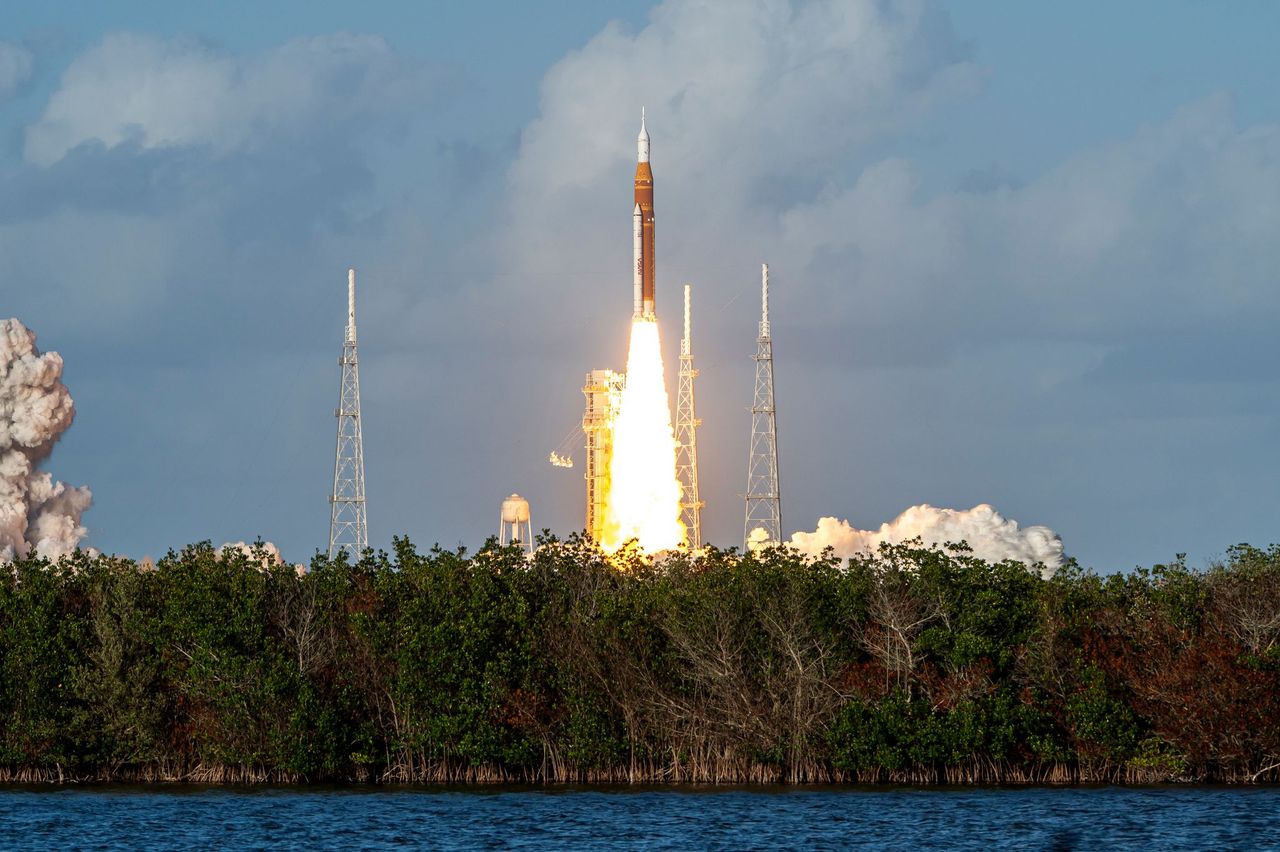
The Artemis II crewed lunar mission launches from Kennedy Space Center on April 1, 2026. Four astronauts blasted off aboard a massive NASA rocket on a long-anticipated journey around the Moon—marking the first crewed lunar flyby in more than 50 years. Photo by Nickolas Wolf / Florida National News.
Historic Return to Deep Space Artemis II is the first crewed mission in NASA’s Artemis program, designed to return humans to the Moon and eventually establish a sustainable presence there. The flight follows the successful uncrewed test mission, Artemis I, which demonstrated the Orion spacecraft’s ability to travel to lunar orbit and return to Earth. The Artemis program represents NASA’s long-term strategy to explore deep space, including preparing astronauts for future missions to Mars. Astronaut Crew to Circle the Moon
The Artemis II crew includes four astronauts selected to test Orion’s life-support systems and navigation capabilities during the mission.
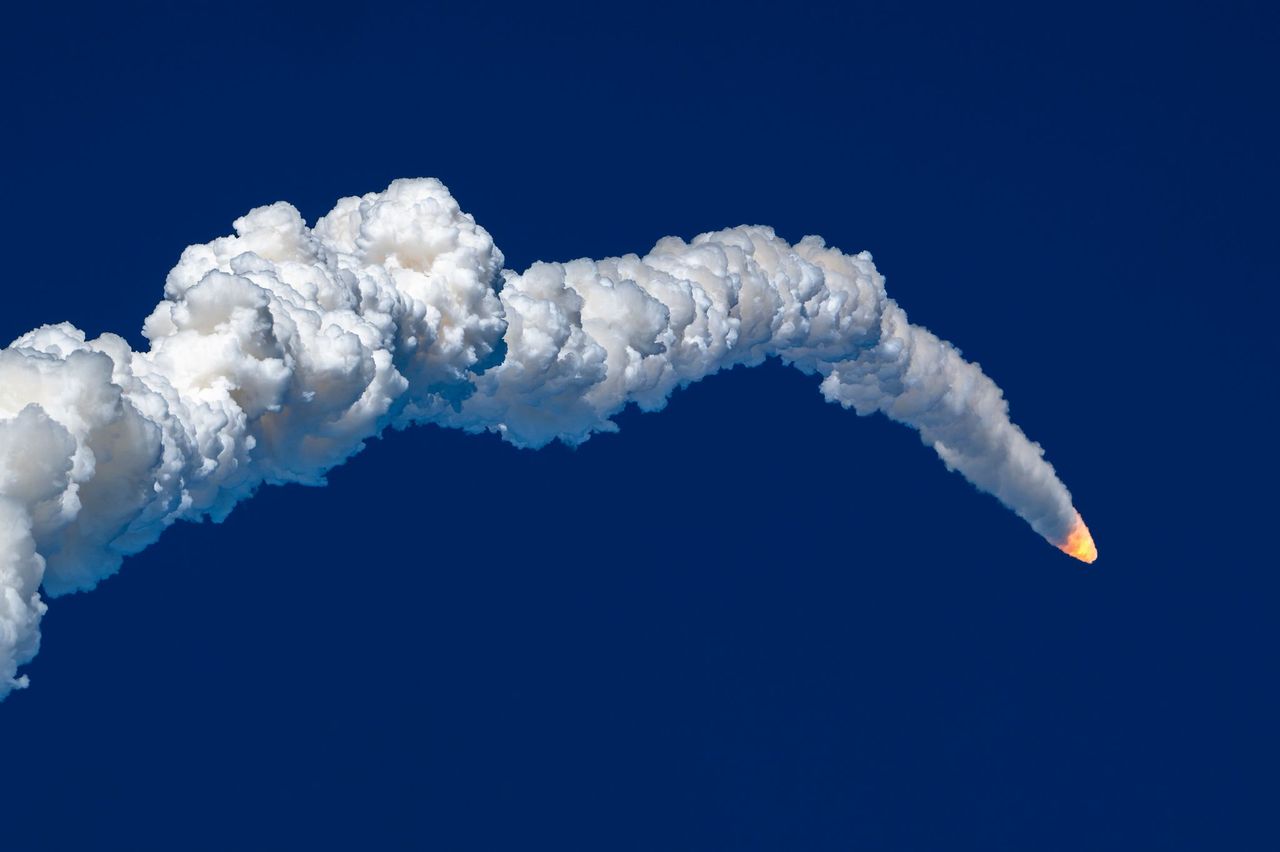
The Artemis II crewed lunar mission launches from Kennedy Space Center on April 1, 2026. Four astronauts blasted off aboard a massive NASA rocket on a long-anticipated journey around the Moon—marking the first crewed lunar flyby in more than 50 years.
Photo by Nickolas Wolf / Florida National News.
Their journey will take them thousands of miles beyond the Moon before returning to Earth. The mission will also demonstrate critical technologies needed for future lunar landings planned under upcoming Artemis missions.
Florida’s Space Coast in the Global Spotlight The launch is expected to draw thousands of spectators to Florida’s Space Coast, including viewers gathering along beaches in Cocoa Beach and nearby communities to witness the historic liftoff.

Local officials and tourism leaders say the Artemis program continues to reinforce Florida’s role as the nation’s gateway to space exploration.


 Central Florida News4 days ago
Buccaneers’ Todd Bowles Backs Jalon Daniels Ahead of First NFL Start Against Packers
 Business3 days ago
Hola at the Park Set for Oct. 3 in Altamonte Springs; Admission Free
 Central Florida News3 days ago
Orlando Magic Announce $20 Tickets, $2–$7 Concessions for Home Games
 Central Florida News2 days ago
Orange County Announces $28,200 Public Art Opportunity at Tangelo Park Community Center


